Weekend link-o-rama

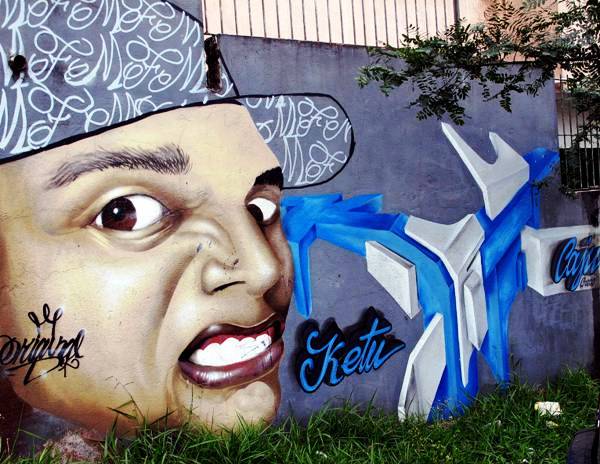
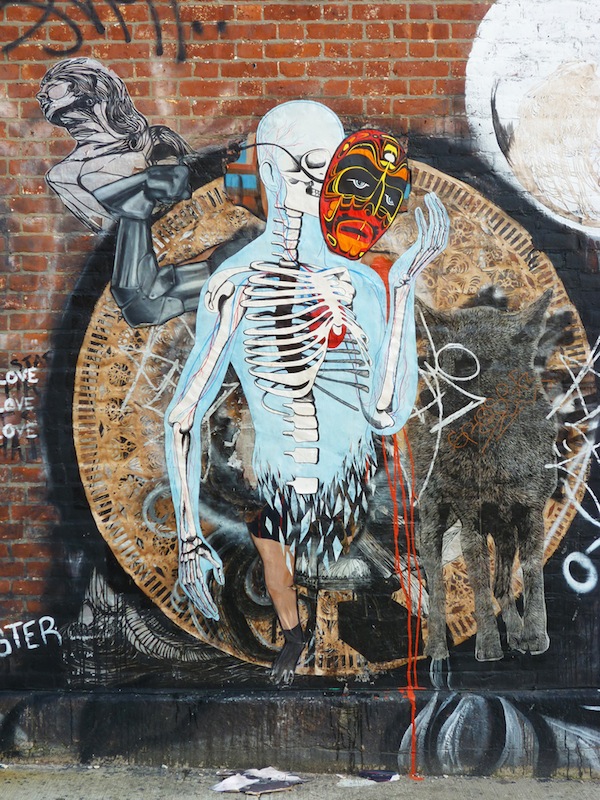
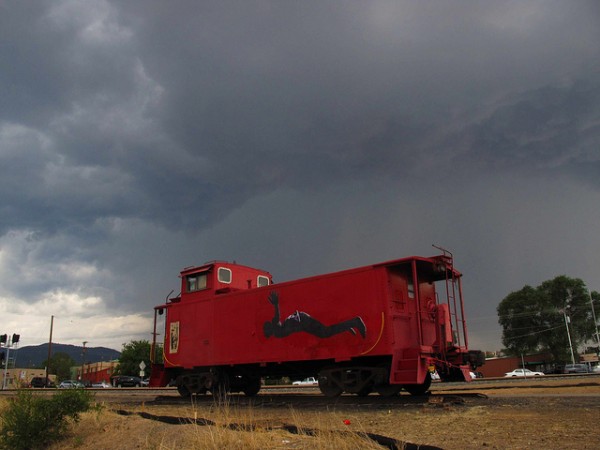
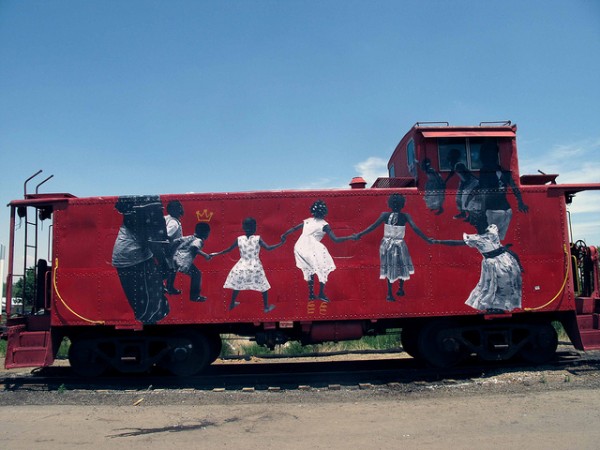
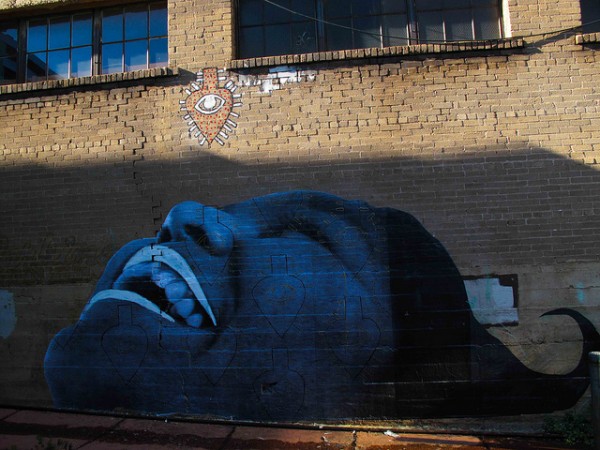
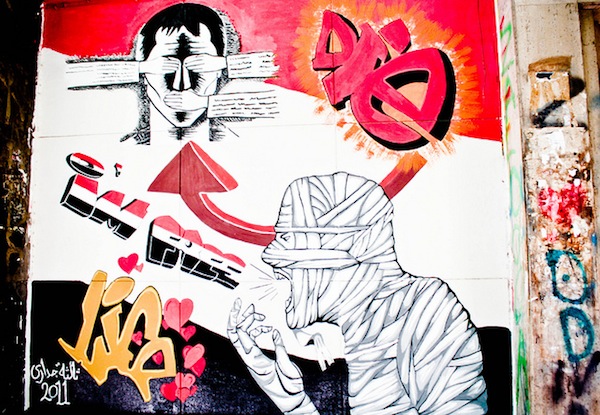
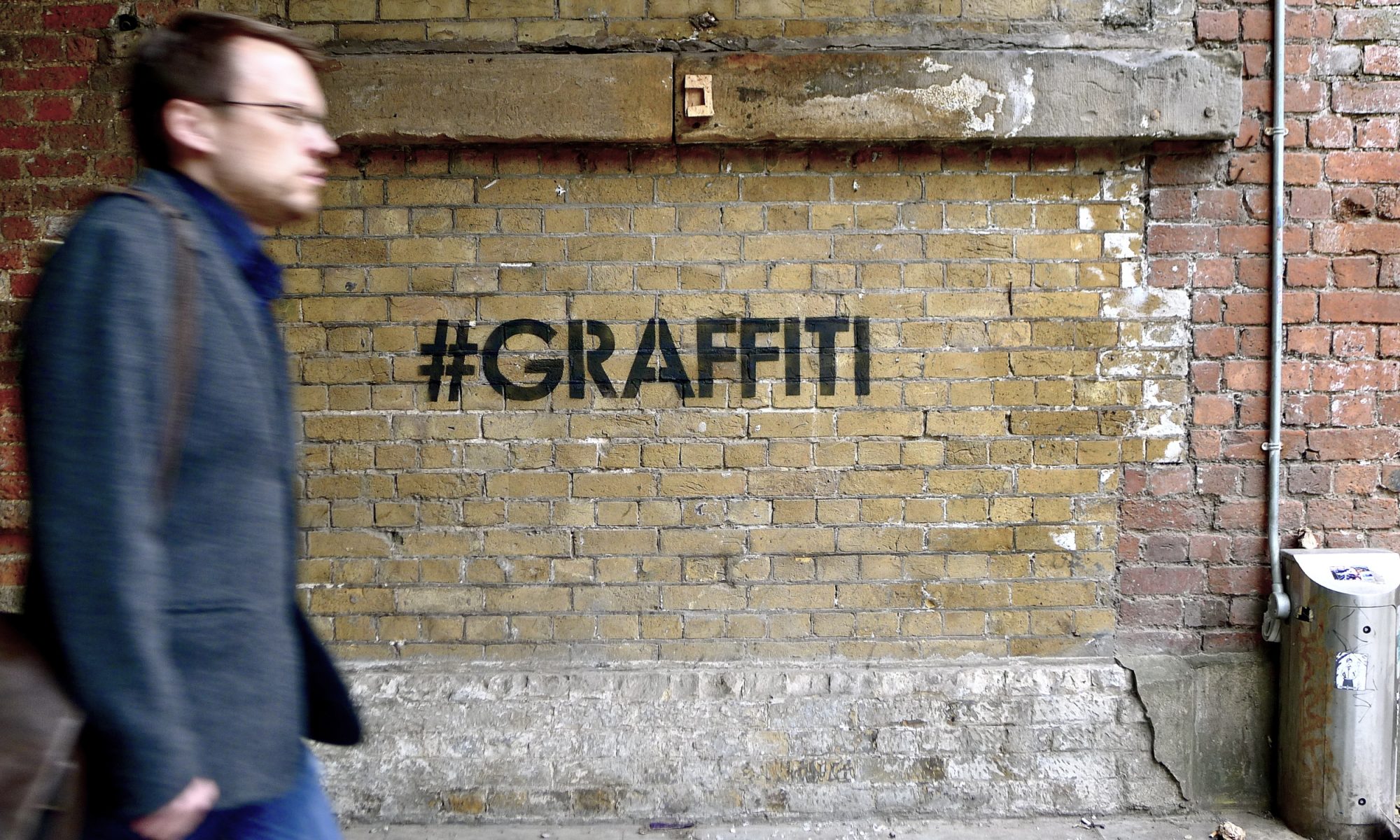
Labrona and Gawd. Click the photo to view it large.

Last night might have been my busiest 1st Thursday ever, and I didn’t even stop off everywhere I wanted to. Either way, I’ll have to go back to a few galleries this week to actually look at the art properly. Even with a cursory glance though, the Charming Baker show was the highlight by a mile. I’m not sure how sustainable it is to sell paintings at the prices they sold for last night, but damn it looked good. Here’s a few things I could have posted about last night, had I not been out being a gallery-hopping scenester…

Photo by Labrona
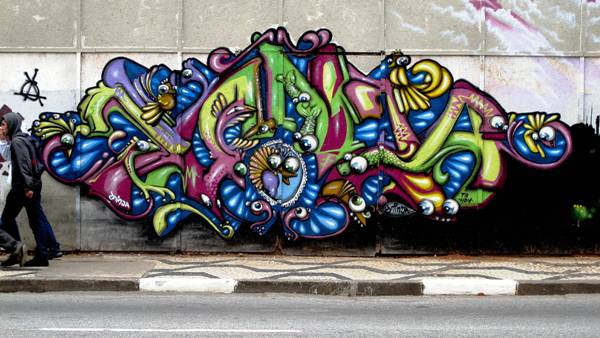
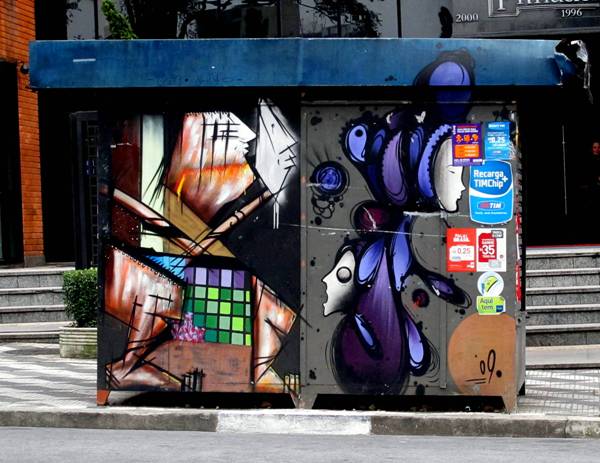
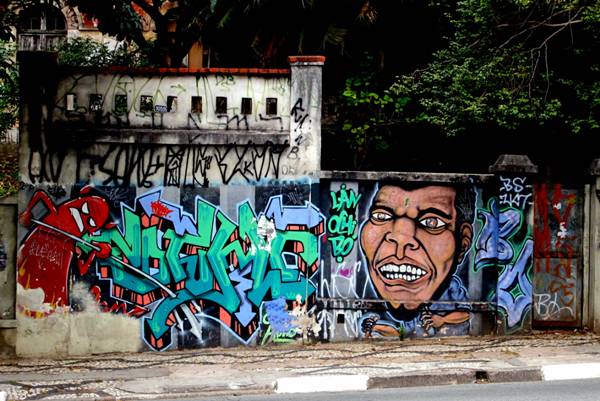
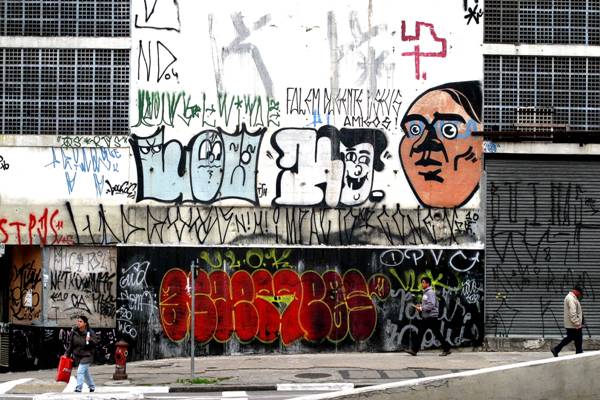
The writings on the walls of the “other” São Paulo: pixado and graffiti

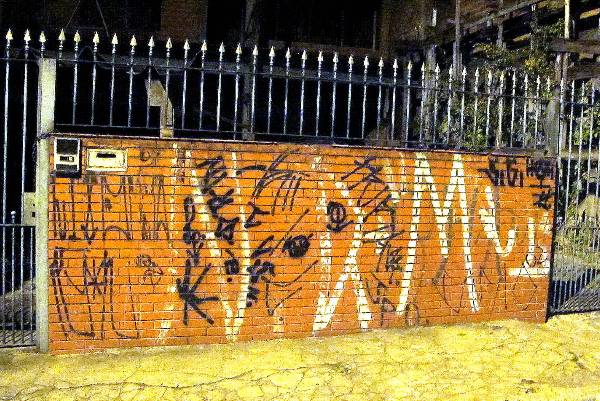
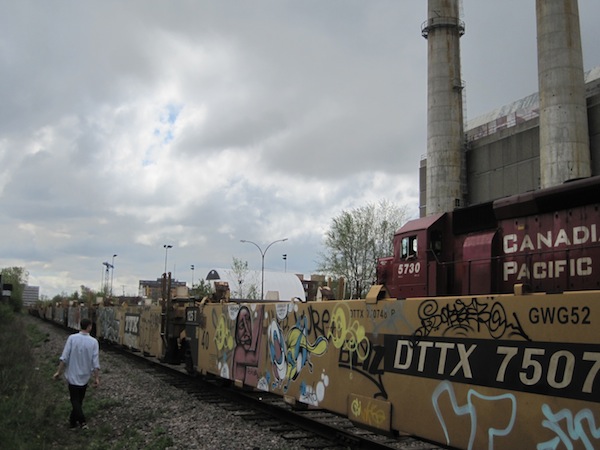
A different kind of street art emerges in São Paulo’s economically disadvantaged neighborhoods on the outskirts of the city — some of which I visited yesterday. It is mostly the writings of the pichadores who practice São Paulo’s distinct tagging style, along with graffiti that reminds me of some of the walls I’ve seen in the South Bronx. Here’s a sampling:

 photos by Lois Stavsky


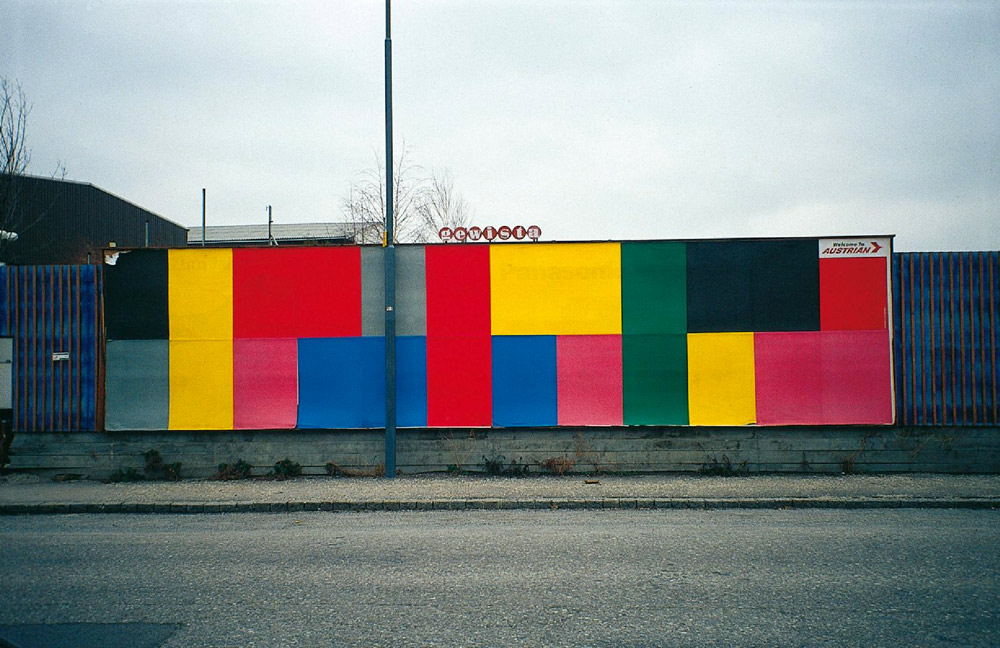
Billboard 01

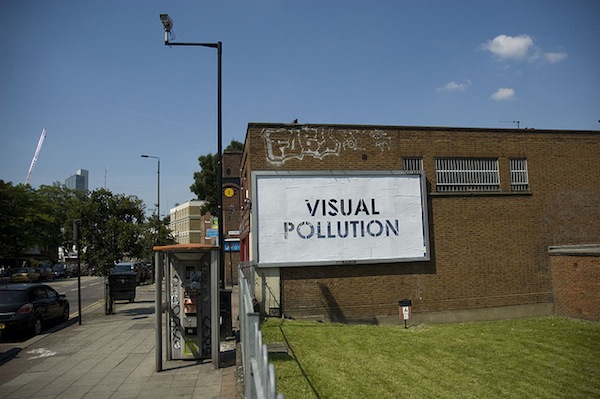
“Billboard 01” 1991 by Gerwald Rockenschaub. Rockenschaub based his work on the modular system used by the poster company gewista, whereby each large-format poster is made up of 8–72 standard format sheets. He had these sheets printed in monochrome in seven industrial norm colours from which he made forty colourful combinations which could be independently selected on the spot by whoever was putting up the poster.

Via VVORK

What’s Good in New York

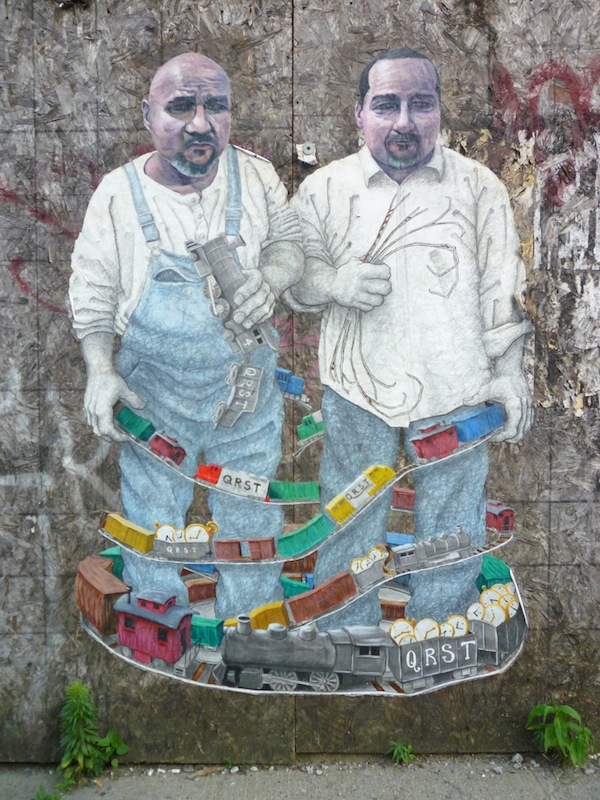
QRST. Photo by Sabeth718

New York is suddenly awash in new work and its really quite exciting. Of course Welling Courts is decorating the north side of Queens, but also a lot of legal commissions are bringing JR and the likes into the mix. And then there is QRST and ElSol25 who are holding it down for Brooklyn in an otherwise pretty sleepy season regarding street art in New York.

Elsol25. Photo by Sabeth718
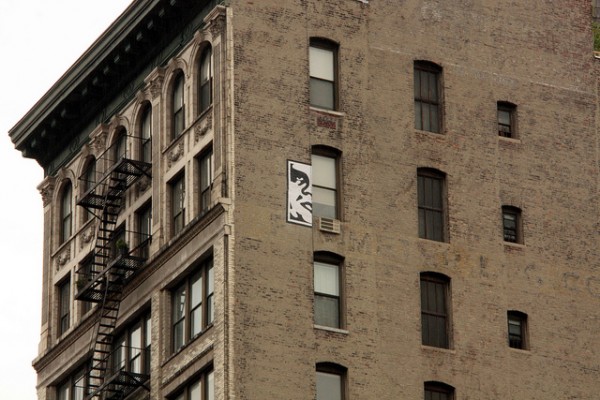
Obey. Photo by Changsterdam

Continue reading “What’s Good in New York”

From the Streets of Sao Paulo

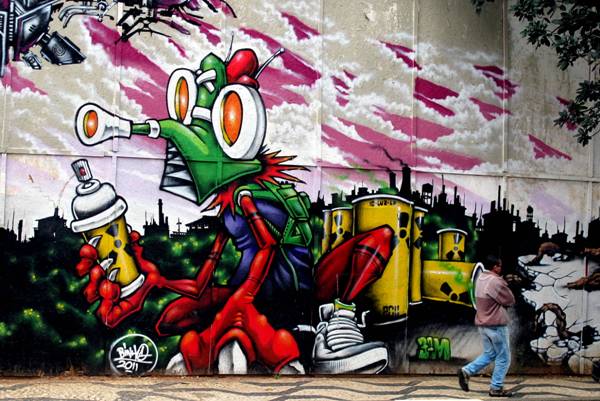
I arrived in Sao Paulo yesterday, and within an hour of exploring  the nearby streets from my base here in the center of town, I came upon dozens of alluring, diverse images.  Here are a few:


Binho

Dninja


os gemeos bomb, pixo writing, and more

 Many more to come!   (I’ve identified the artists whose work I recognize; info on the others to come).

photos by Lois Stavsky

New ad disruptions from mobstr and Eyesaw

mobstr. Photo by mobstr

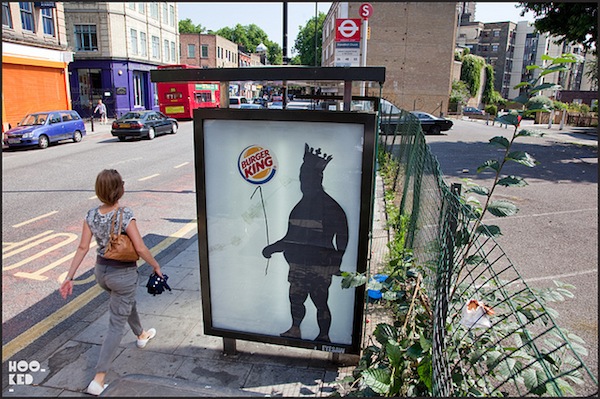
Both mobstr and Eyesaw have just done some new ad disruptions. The above piece by mobstr is pretty standard, but I like that the original ad is actually showing through and makes up the text. Eyesaw has done two new ad disruptions in bus-stop billboards. The below disruption is actually right around the corner from me. Unfortunately, it doesn’t look great in person, but it comes across very well in photos and it’s one less ad out there. So that’s good. Check out Hooked for Eyesaw’s other new disruption.

Eyesaw. Photo by Hooked

Photos by mobstr and Hooked

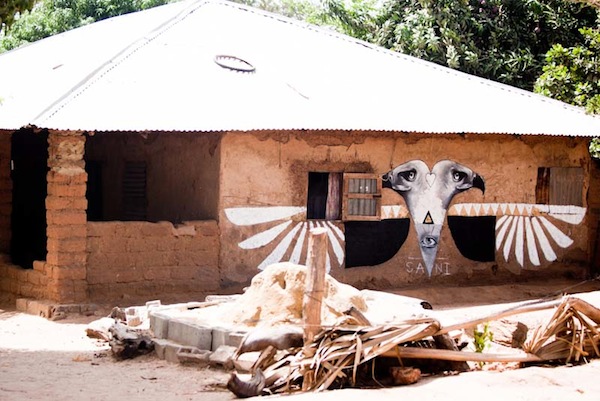
Wide Open Walls – painting in The Gambia

Freddy Sam

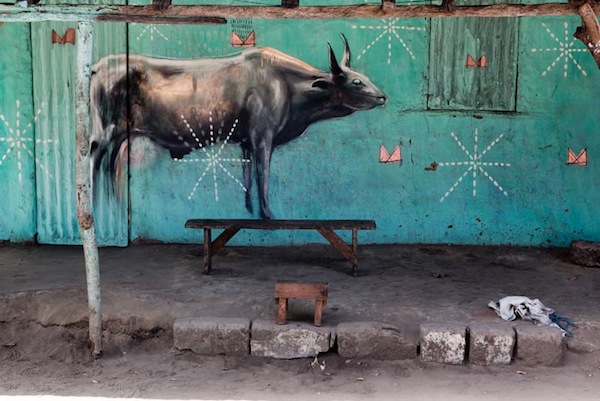
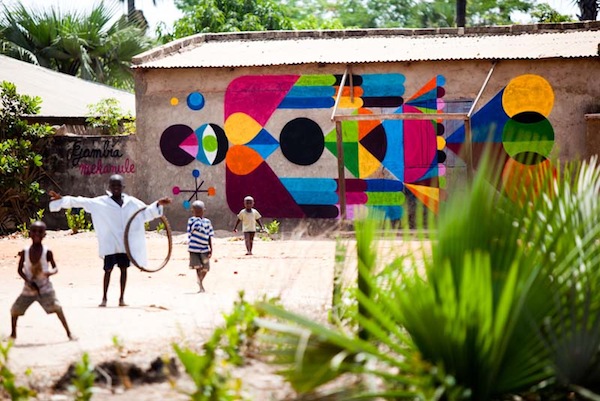
Last year, the Wide Open Walls project brought a number of street artists to The Gambia to paint in local villages. Subsequently, the project was criticized as a sort of “slum tourism” for artists as well as anyone who viewed photos of the project, with the artists taking advantage of the communities they were painting in. This year, Wide Open Walls brought more artists to The Gambia and made a point of examining the issue of responsible tourism. After all, part of the goal of Wide Open Walls is to encourage tourism to these villages.

For this round of Wide Open Walls,  the artist line-up was curated by Write on Africa and include Bushdwellers, Roa, Know Hope, Remed, TIKA, Freddy Sam, Selah, and Best Ever. The artists spent two weeks painting in The Gambia.

Remed

While the people involved directly in Wide Open Walls seem happy that they were responsible, made a connection to the communities they were in and made a difference or are in the process of doing so, it’s more difficult for me to post these photos without feeling that I’m participating in the sort of voyeurism that Wide Open Walls is trying to avoid. I wasn’t there, so I don’t have a personal connection to these villages or the people there (although some of the artists and other people on the trip have posted their reactions on the WOW website, which is something). Instead, I’m looking at the photographs and part of me is smugly thinking, “See, street art can make a difference. Yep. Smiling kids. People having fun in front of art. A building that looks cool now. Here’s proof that street art is a good thing.” And that makes me pretty damn uncomfortable.

Best Ever

What Wide Open Walls is doing can probably be compared in some ways to what JR has done working in the slums of Brazil and Kenya. Except that with JR, he makes a point of telling the stories of the people he is photographing, and he helps to improve their situations (like how in Kenya he fixed up people’s homes by printing his photos on water-resistant material and putting those prints on roofs). Wide Open Walls hasn’t really done anything like that yet beyond painting murals. I don’t know the stories of these villages and there isn’t much of a way to support the project or the people in these villages. Eventually though, that will change. There are plans for a book and an exhibition of photographs to help raise money for the villages. In the mean time, many more photos from this year’s Wide Open Walls can be found on Facebook.

Photos by Jonx Pillimer