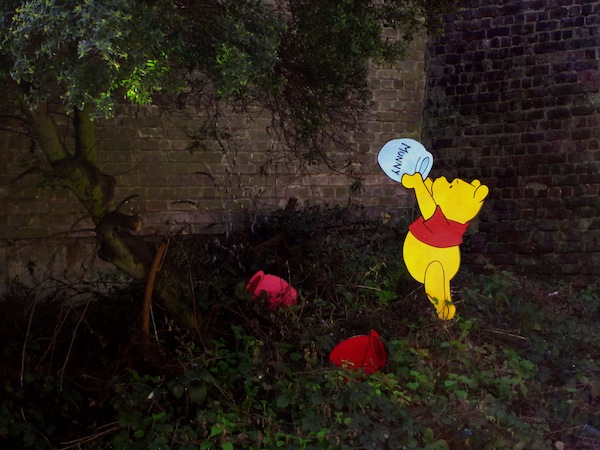
Haha loving this sculpture from WorldWarWon.
Photo by WorldWarWon
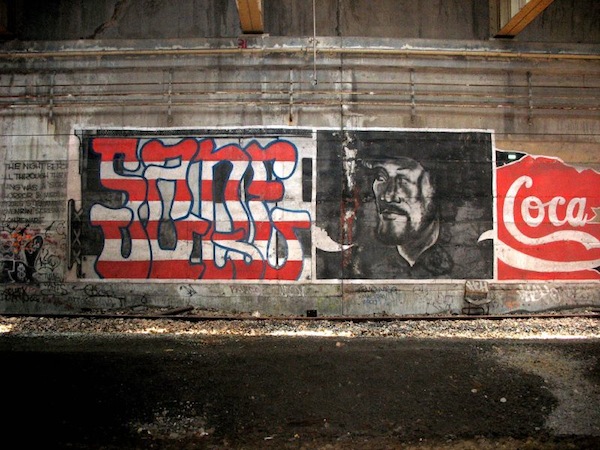
In the beginning, at a time when rebellion was in the air, graffiti was a call to arms. The late 60s and 70s saw disenfranchised youths, first of Philadelphia and then New York, take to the streets equipped with marker pen and spray can. Seeking to re-claim their city, in much the same way as the Situationists and their revolutionary politics in Europe, these youths not only challenged the geographies of our urban settlements but also influenced generations of writers, artists, photographers and today’s new breed of urban creatives.
Whilst the 1970s style wars on New York’s subways saw the evolution from tag, to dub and finally to end to end burners, the 1990s saw a new change, the evolution into what can be best described as street art. Influenced by the New York subway writers and early street art pioneers such as Fekner, Haring, Hambleton and Holzer, a new wave of artists led by Shepard Fairey, Barry McGee and Blek le Rat revolutionised the way art was produced and displayed to the public on the street. But before I get into any arguments about definitions, graff, street art or the hideously named ‘urban art’ – to me, street art marks a shift from letter to logo and into new forms of artistic expression; stickers, stencils, paste-ups and installations all sitting alongside their traditional graffiti counterparts feeding off the same anarchic roots.
This shift towards new means of expression was an important milestone as it was not the only change taking place in our cities, for the 1990s also saw the increased privatisation of our public spaces – perhaps shifts and changes that actually went hand in hand. With the aim of regenerating our city centres to draw back shoppers from the badly designed out of town shopping centres, authorities up and down the UK formulated new rules and regulations dominated by all seeing CCTV.
Now managed to exclude illicit traders, skateboarders, Big Issue sellers, tramps, beggars and vandals with spray cans, our city centres took on Disneyland style characteristics. They became spaces for just the middle classed shopper and the dazzling lights of advertisement. But as I said, this shift in city design almost went hand in hand with the evolution of graff into new forms of street art expression. It was almost as if city management promoted this new form of art on the streets.
Over the last decade, whist out cities have becomes increasingly privatised and commodified, street art has grown. A hybrid of anarchy, avant-garde practises and the undertones of subculture disorder, street art aims to restructure out cities away from the visual inundation of advertising and image juggernauts like Starbucks and McDonald’s. As Tristan Manco once stated, street art is “in flux between established ideas and new directions.”
However over the last few years, I suppose thanks to a certain stencil artist, amongst others, street art is becoming accepted (to an extent) – Although it must be noted that I say this statement very lightly. Nevertheless, we have seen an increasing number of shop and property owners embracing this raw cultural art form, a far cry from its roots in NYC where Mayor Lindsay claimed it to be vandalistic scrawling committed by kids with mental health problems. And there lies my question, has street art lost its way?
It’s a topic that I have been thinking about for a while, and only last month Burning Candy took out a massive wall in Bristol after getting permission from the building owner, and so it seemed the perfect time to consider the issue and write this piece. Does the increasing legalisation of many pieces of street art remove all their underlying anarchic, rebellious meaning?
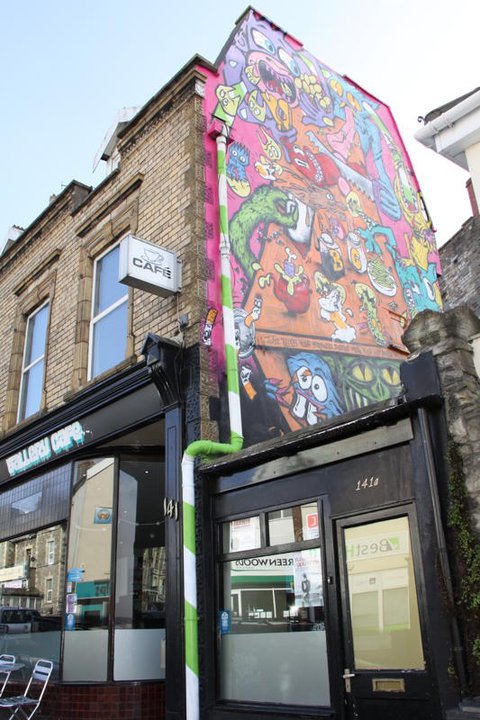
The BC wall in Bristol actually provides a good topic of conversation simply because of its content. For one, it is well known about the BC members respect and passion for the roots of graff but more importantly, it is their understanding of each other and of the city. Their work always remains free-form, context sensitive and maintains its rapid reaction to what they see. While the work may be ‘legal’ it is certainly not compromising their unique identity.
To some, BC may not be to their taste, and others may make comparisons to other well-known crews or high profile street artists, but comparisons suck as no one ever agrees. However what can be argued to a conclusion is that this piece by BC is self-expression in its rawest form no matter how you look at it. It is ultimately the end product of a group of artists stamping their own identity on the city.
And you would imagine that the local council are not massive fans as it certainly does not fit into the traditional regeneration policies aimed as creating uniform, safe, clean spaces. BC’s legal wall for the Whitecross Street Party in 2010, for example, was definitely not loved by the Islington Graff Squad, and it was painted over as early as possible the morning after the festival finished!
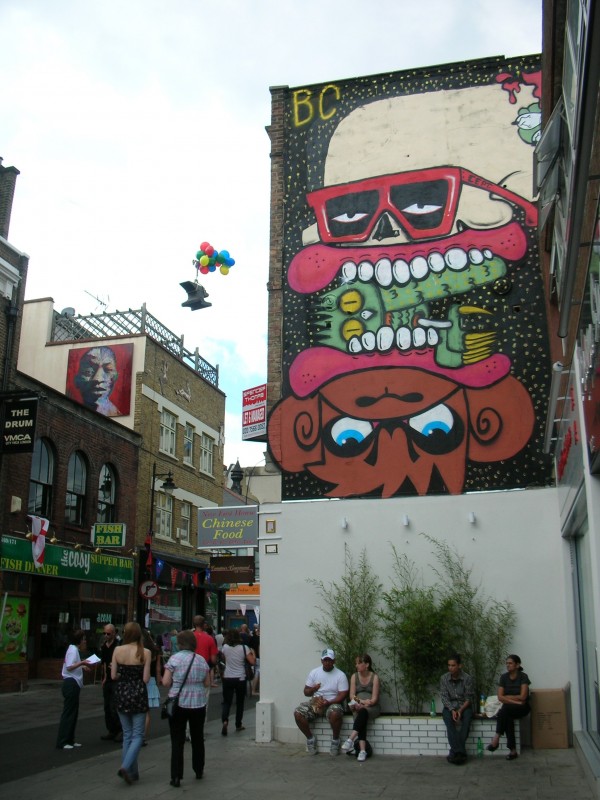
So back to the main question – has the legality involved in street art removed its historical roots? Is there a time when street art can no longer be considered street? Has the new BC wall lost all meaning because it is legal?
The short answer is no, and certainly not the case with regard to BC. Whilst BC did gain permission for the wall, they have set out to re-appropriate the space in their own way, taking a fresh look at the city and re-personalising it, in a similar way to the Situationists and their quest to adapt their own city spaces. In fact, it could be said that their intervention almost becomes open source urban design or perhaps DIY design – but that’s a whole new topic for debate.
To me, street art makes you think or re-think. It makes you smile as you walk past, or makes you stop and stare, or it makes you completely re-think a space or even a city. Street art takes its visual queues from graffiti and the inundation of advertising, and takes its anarchic feel from the revolutionary politics coined by The Situationists, Dada, CoBRA, The Letterist International, and from the overarching increasing privatisation of our public spaces. As such, street art, whether it is ‘legal’ or ‘illegal’ re-appropriates pristine lifeless city spaces and consequently, as with 1970s NYC subway graffiti, must still be considered two fingers up to the powers that be!
Photos by LL Brainwashed, Shower and mercurialn
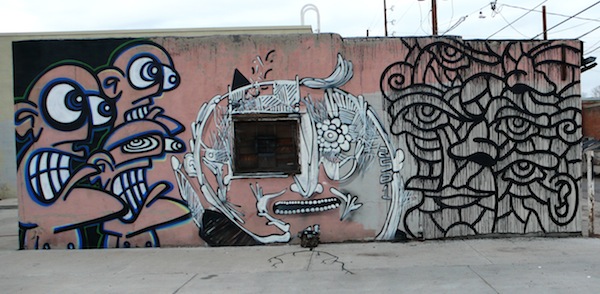
So much going on behind the scenes this week for a couple of upcoming events. Can’t wait to say more. Hopefully next week I’ll be able to write about one of them. Here’s what I didn’t have a chance to post about this week:
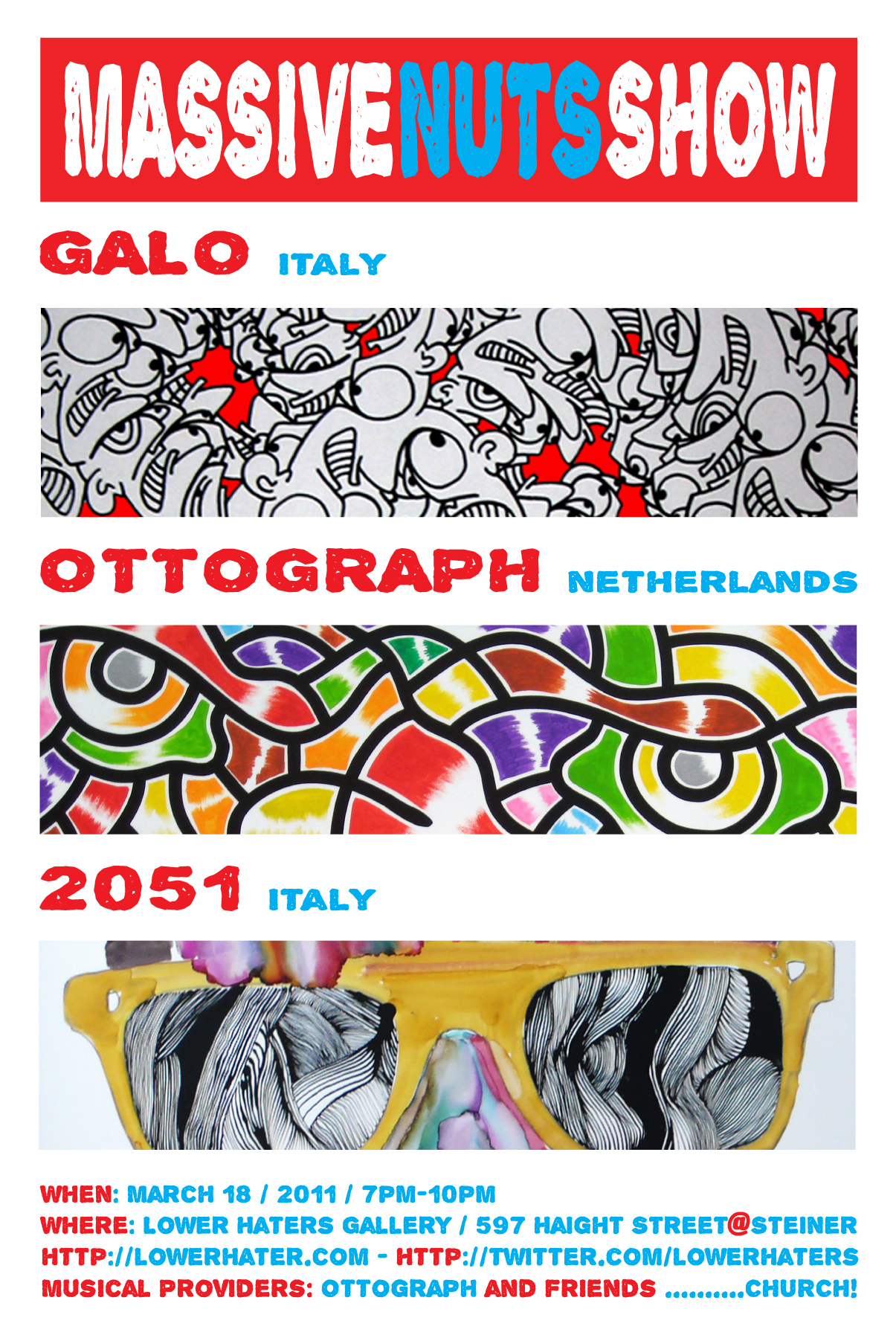
Photo by Galo

Ben Eine’s first major solo show since David Cameron gave President Obama an Eine artwork as a gift opened last week at White Walls Gallery in San Fransisco. While normally I would say that while I like an Eine canvases here or there and definitely love his murals, a solo show of 40-some pieces which get repetitive pretty quickly is not something I would enjoy, but with the tongue-in-cheek title of Greatest, I’ve come around to really liking this one. Is Eine the greatest artist or street artist or graffiti writer or screen printer or greatest anything of all time? Nah. He’s good. Few murals have had a stronger impact on me than his SCARY mural in Shoreditch. I’ve got a couple of prints from him. But I wouldn’t call him the greatest. And I don’t think he would call himself the greatest either. But David Cameron sure made him look like the greatest something. Especially when that gift to Obama was actually a trade for an Ed Ruscha print. Damn. Hype has been surrounding Eine for a year and people have been calling him the greatest, but he knows the hype won’t last forever and has even mentioned it in an interview or two, so why not play up the hype with a knowing smile? Well, that’s just what he’s done at White Walls. Check it out:
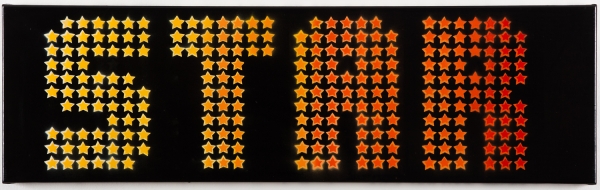
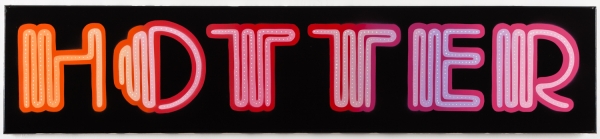
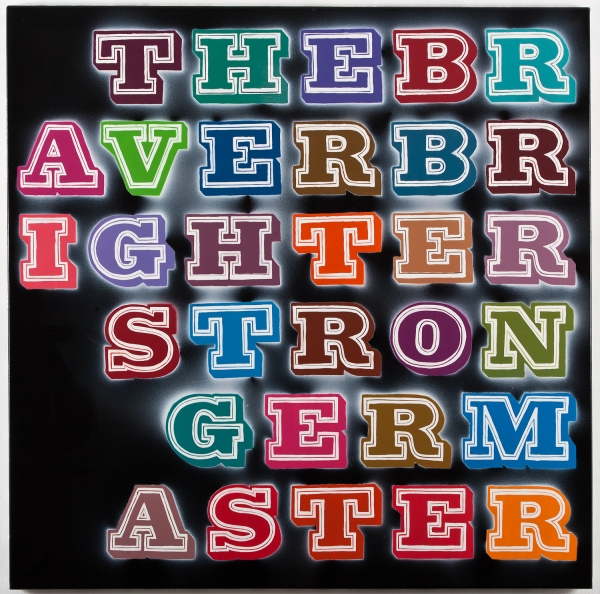
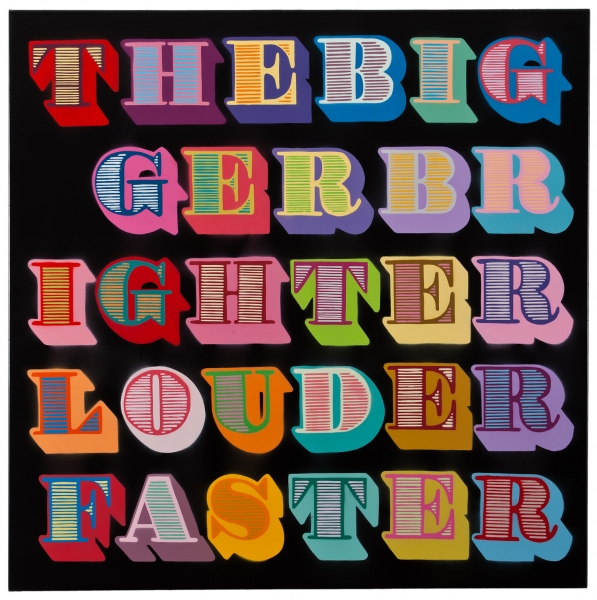
Hey, maybe, by being so clever, Eine is the greatest… Nah, just great.
Photos courtesy of White Walls Gallery
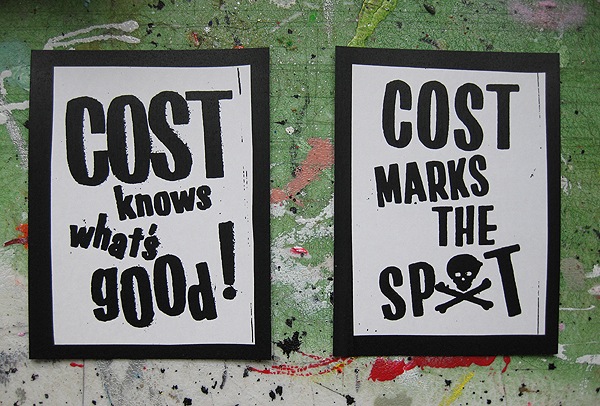
Cost, one of New York’s most legendary writers and (though I’m sure he’d hate the label) an unwitting pioneer of street art along with Revs, has just released his first ever screenprints. They are available now at Brooklynite Gallery. They are based on two of his classic paste-ups from the 1990’s. There are 6 different prints available, all 5.5 x 4 inches.
The two 1-color prints above are editions of 500 and they cost just $25 each. They are available online.
Additionally, there is a 4-pack available for $150 with some brightly colored backgrounds (they’re an edition of 50):
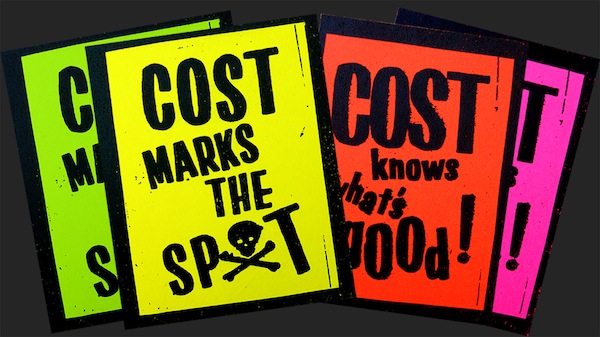
Photos courtesy of Brooklynite Gallery
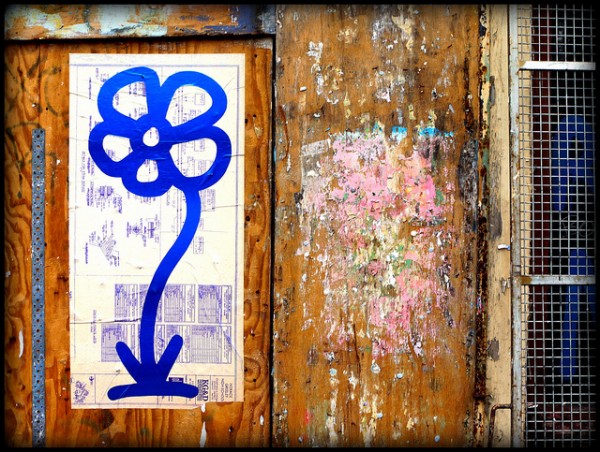
Michael de Feo‘s first solo show in London opened last week at Orange Dot Gallery, and while in town, he put up some posters around the city. I think Michael de Feo is one of those street artists whose street art best embodies the street art ethos of giving. What better to give to the residents of the city than a flower?
Regrettably, I’m way late with this post and the gallery part of this show has already closed, but the work is for sale on the gallery website and here are some photos of the installed show. And of course, his posters are still up on the street.
Photo by HowAboutNo!
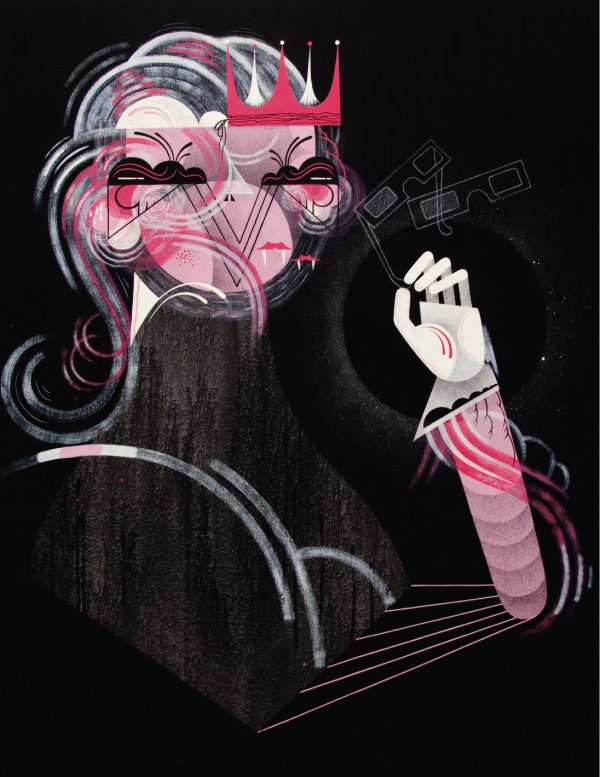
James Reka from the Everfresh crew has a show, Down Low Too Slow, opening next Friday at Backwoods Gallery in Melbourne. I don’t know too much about Reka, but both Backwoods Gallery and the Everfresh crew tend to do interesting stuff. Here’s the flyer:
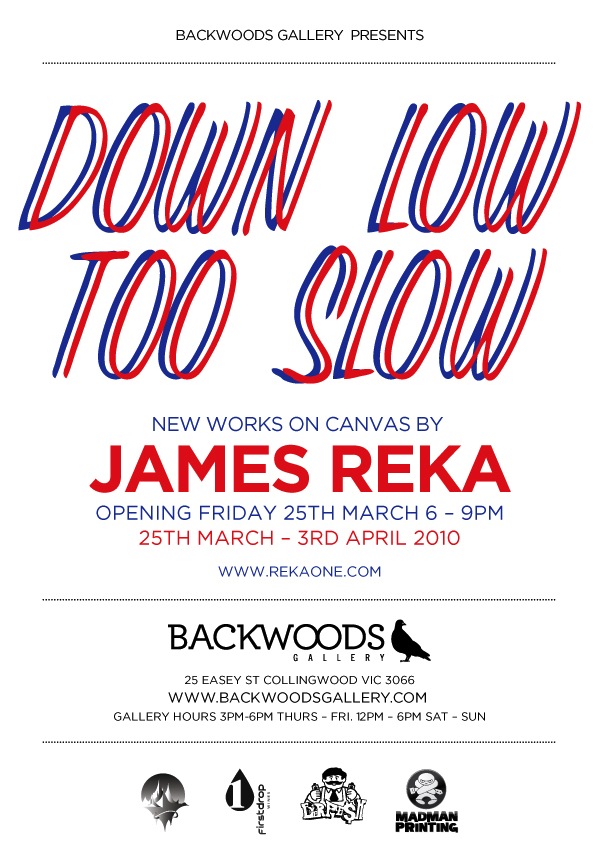
Photo courtesy of Backwoods Gallery
Printing Banksy: Modern Multiples Creates the LA Prints is a short film/interview with Richard Duardo about the prints that he made for Banksy at Modern Multiples back in 2006 for Banksy’s Barely Legal show in LA. The interview was done soon after the prints were made, but the film was just put online last month. It’s just about the closest thing to a behind-the-scene looks as anyone has ever gotten when it comes to Banksy.
As for that whole story in the video about Richard Duardo destroying the screens and test prints and whatnot, there’s more documentation of that on another little-seen YouTube video (and you can spot Mr. Brainwash filming there too).
Printing Banksy via Melrose&Fairfax
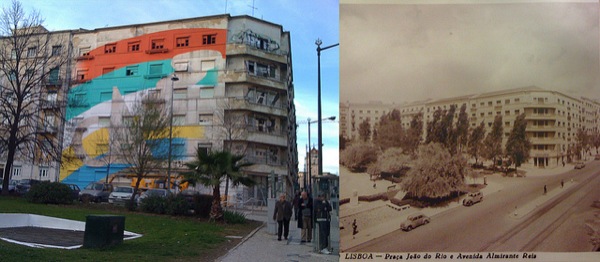
Chanced upon this incredible wall in Lisboa that MOMO just uploaded to his flickr site with a comparison of the mural with the original site.
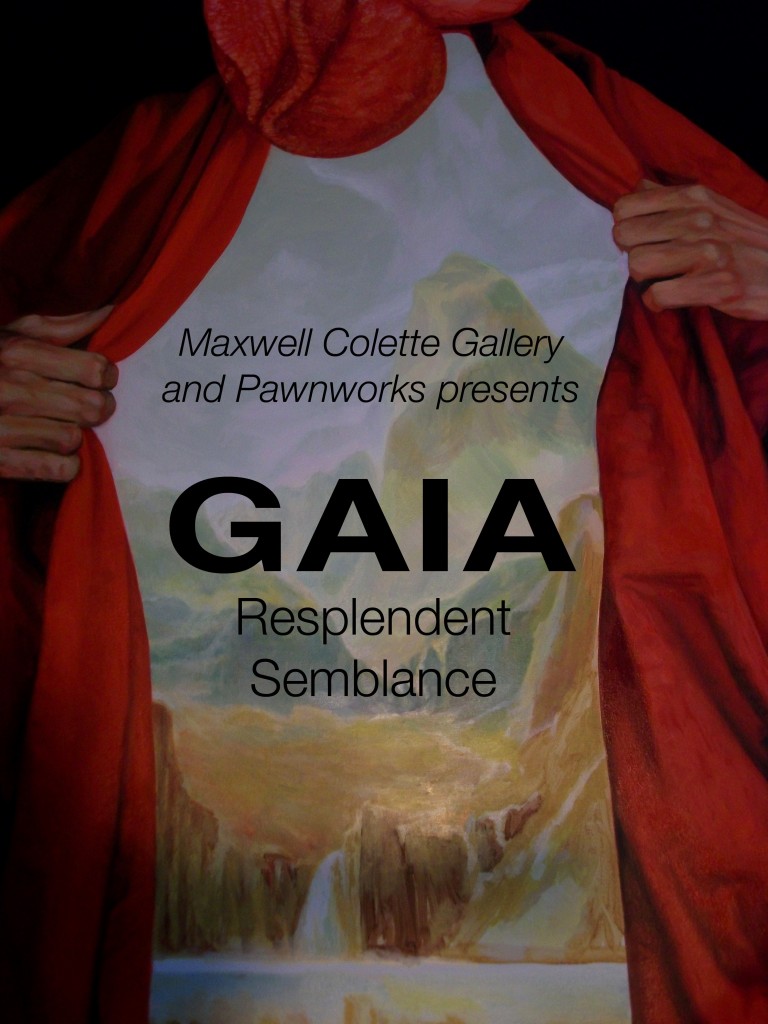
Maxwell Colette Gallery and Pawn Works Present
GAIA: Resplendent Semblance
March 25th – May 7, 2011
Opening Reception: Friday, March 25th 2011 / 6 – 9pmPawn Works and Maxwell Colette Gallery have joined forces to bring internationally lauded contemporary artists to Chicago, who are known for their involvement in the Street Art movement. The first of these joint ventures, GAIA: Resplendent Semblance, launches this month with a series of projects showcasing the artist Gaia. The events will include a show of new, large scale paintings and decollage on wood art works at Maxwell Colette Gallery, a site specific installation and show featuring additional pieces at the Pawn Works space and a massive window installation at State Street and Adams presented in conjunction with The Chicago Loop Alliance’s Pop Up Art Loop initiative.
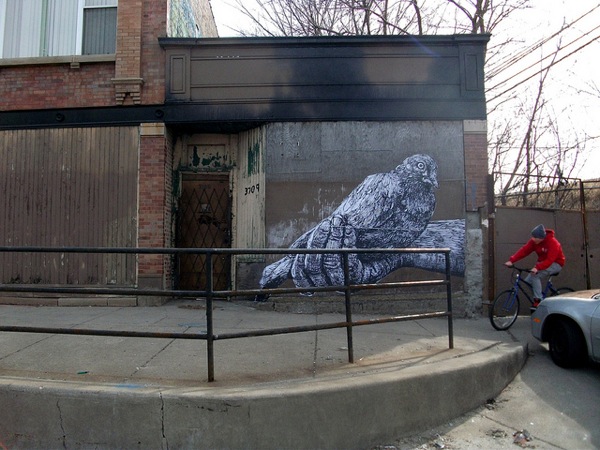
Gaia’s art is best known for his large scale renderings of human and animal forms, often in states of hybridization. Animals fuse with humans or other animals, blending visual characteristics and layers of spiritual and mythological relevance. Reclaiming a long dormant visual iconography, Gaia’s images transcend cultural literacy, achieving significance on multiple levels. As contemporary urban culture deemphasizes nature, Gaia invades the city of glass, steel and concrete with a breathtaking reminder of earth and life. Functioning as a contemporary visual shaman, he facilitates uniquely urban interactions with postmodern spirit guides who in turn force us to acknowledge our lost connection with the natural and the mystical worlds.
Pawn Works and Maxwell Colette Gallery will co-host an opening reception for GAIA:Resplendent Semblance at Maxwell Colette Gallery on Friday, March 25th from 6 – 9 pm. The artist will be in attendance.