“Detail” at Woodward Gallery

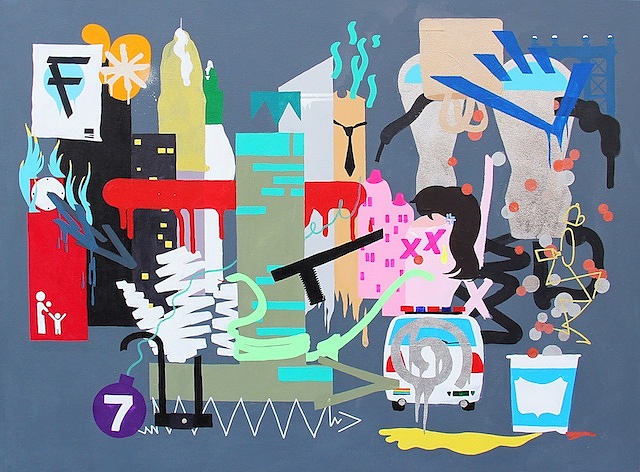
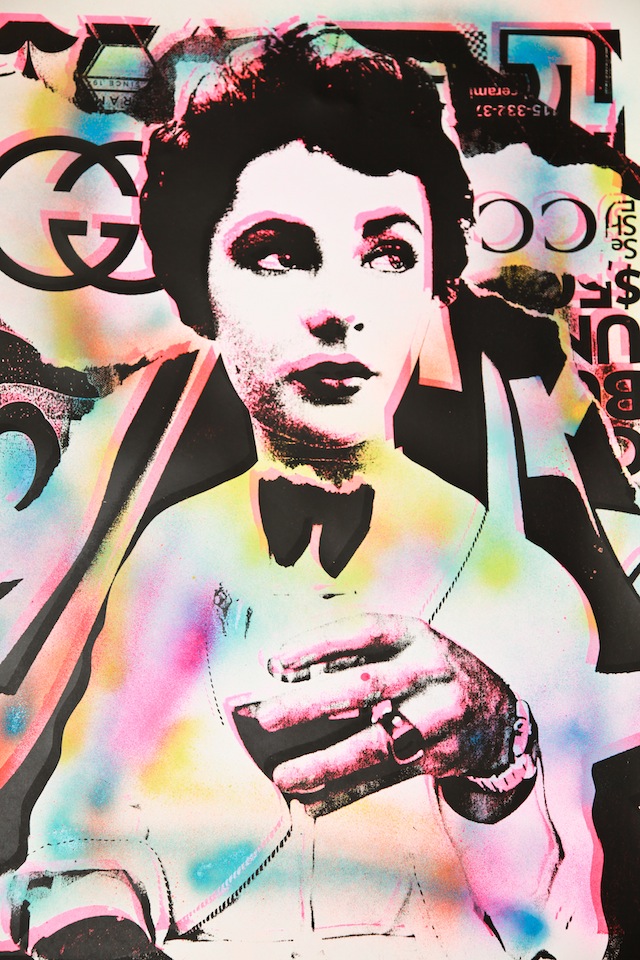
Cassius Fouler, Money-Making Manhattan; photo courtesy Woodward Gallery
Cassius Fouler, Money-Making Manhattan. Photo courtesy Woodward Gallery.

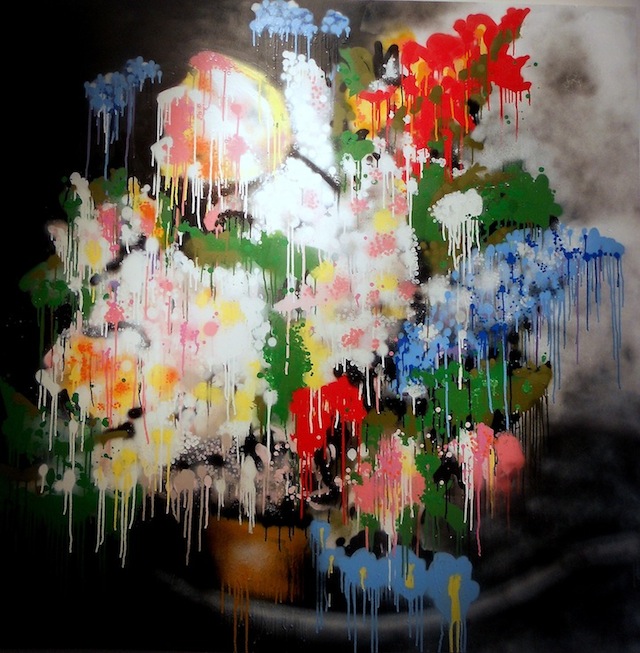
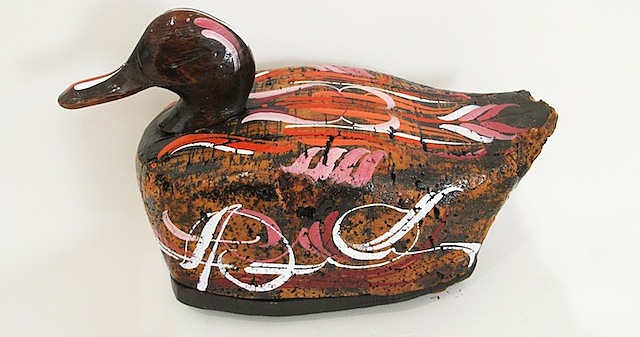
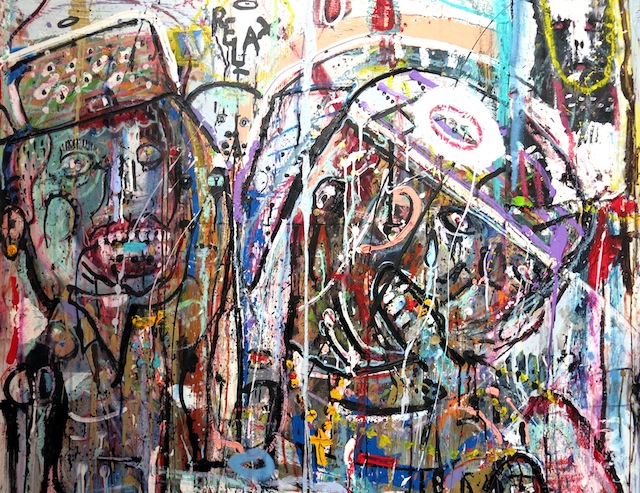
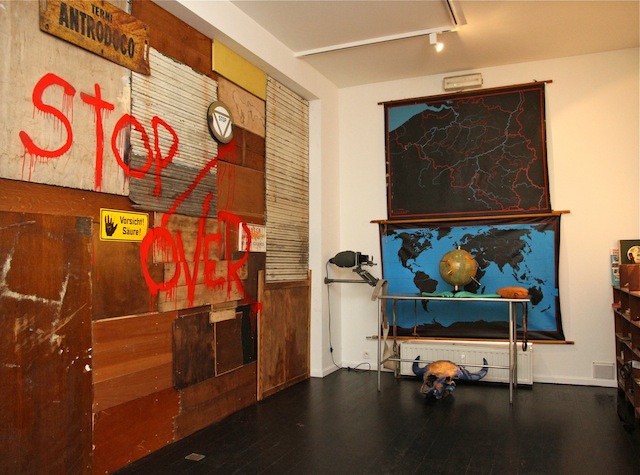
The small elements unique to each artwork are the subject of “Detail,” a group exhibit opening this evening, Saturday, March 2nd, 6 – 8pm at Woodward Gallery on Manhattan’s Lower East Side. Exquisitely curated, the exhibit features a range of intriguing images in a variety of media by a dozen artists. Among the artists featured are five whose works continue to grace our streets: Cassius Fouler, Thomas Buildmore, Kenji Nakayama, Kosbe and Moody. Here’s a sampling of what is on view at 133 Eldridge Street through April 28th.

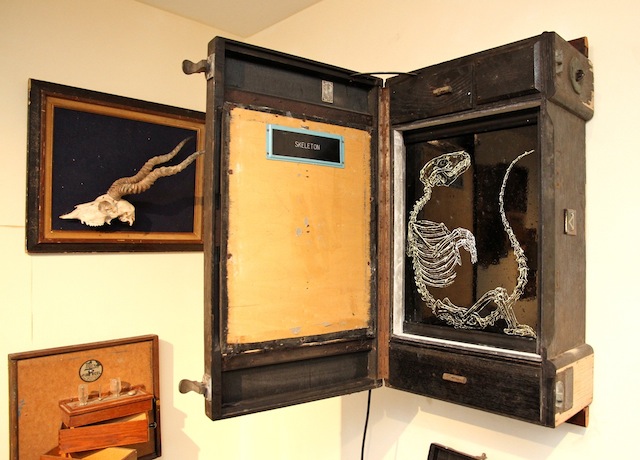
Thomas Buildmore, Still Life; photo by Tara Murray
Thomas Buildmore, Still Life. Photo by Tara Murray.
Kenji Nakayma, Duck; photo courtesy of Woodward Gallery
Kenji Nakayma, Duck. Photo courtesy Woodward Gallery.
Kosbe, Borrowed Time, photo by Lois Stavsky
Kosbe, Borrowed Time close-up. Photo by Lois Stavsky.
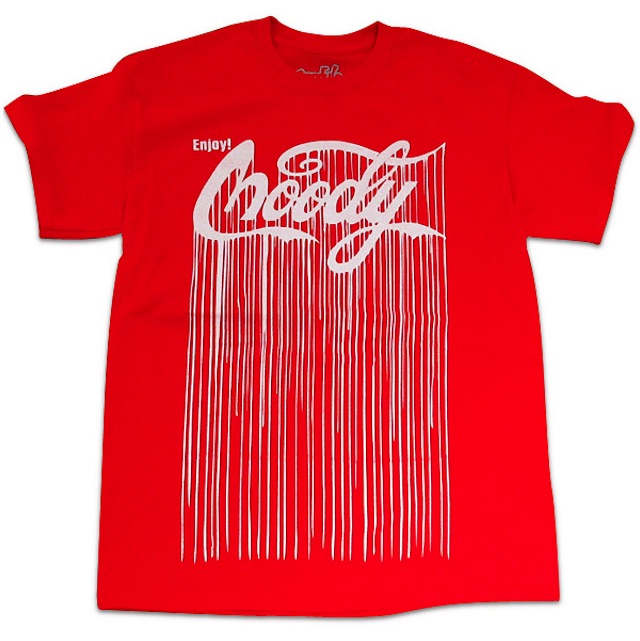
Moody; photo courtesy Woodward Gallery
Moody. Photo courtesy Woodward Gallery.

Photos by Tara Murray and courtesy of Woodward Gallery

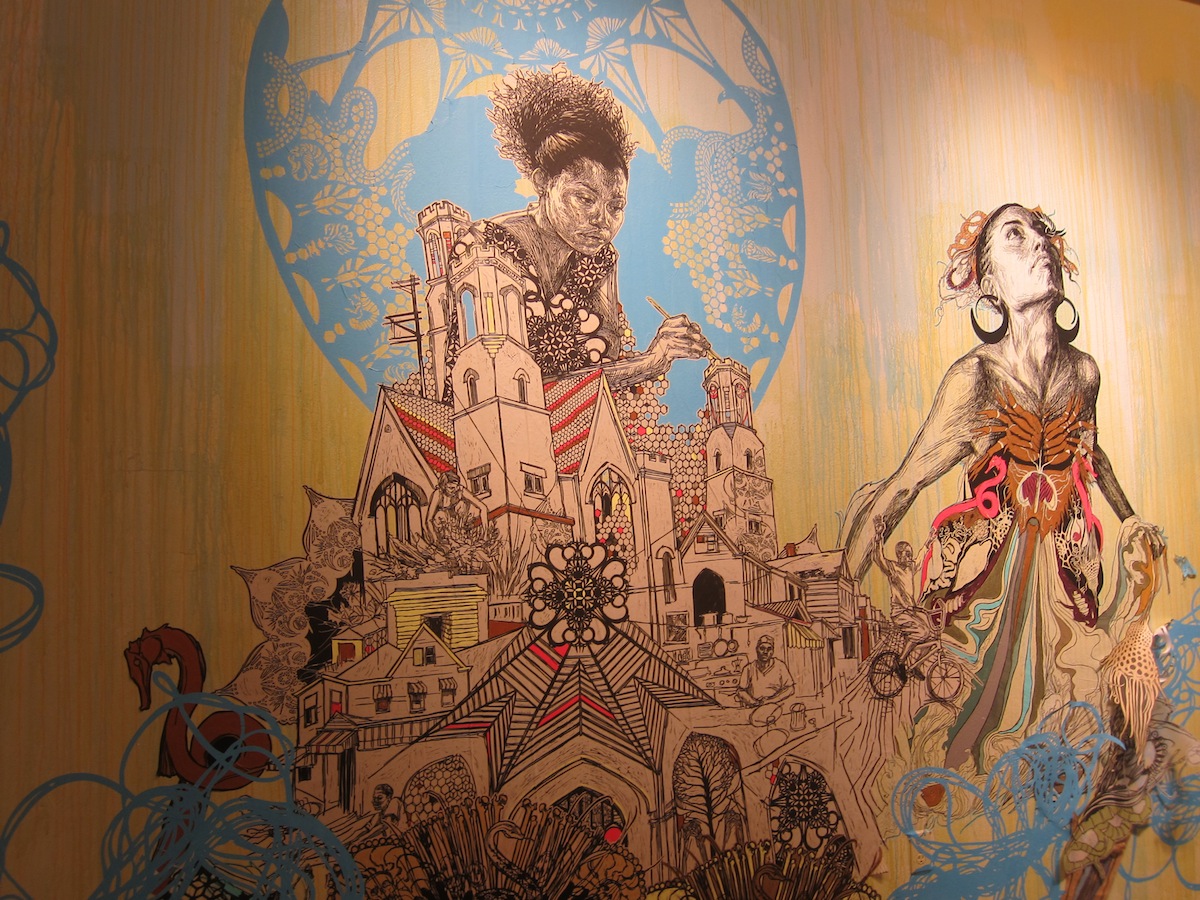
“Petrichor” by Swoon

IMG_5202
Click to view large

Caledonia Curry aka Swoon‘s latest solo show opened last night in her home-state of Florida. Petrichor (a word I was unfamiliar with but she says means “the first scent of rain on parched ground”) is an installation at the State College of Florida, Manatee-Sarasota Fine Art Gallery in Bradenton, FL. The show runs through April 3rd. Petrichor was made for Curry’s father, who lives near the college.

Click to view large
Click to view large
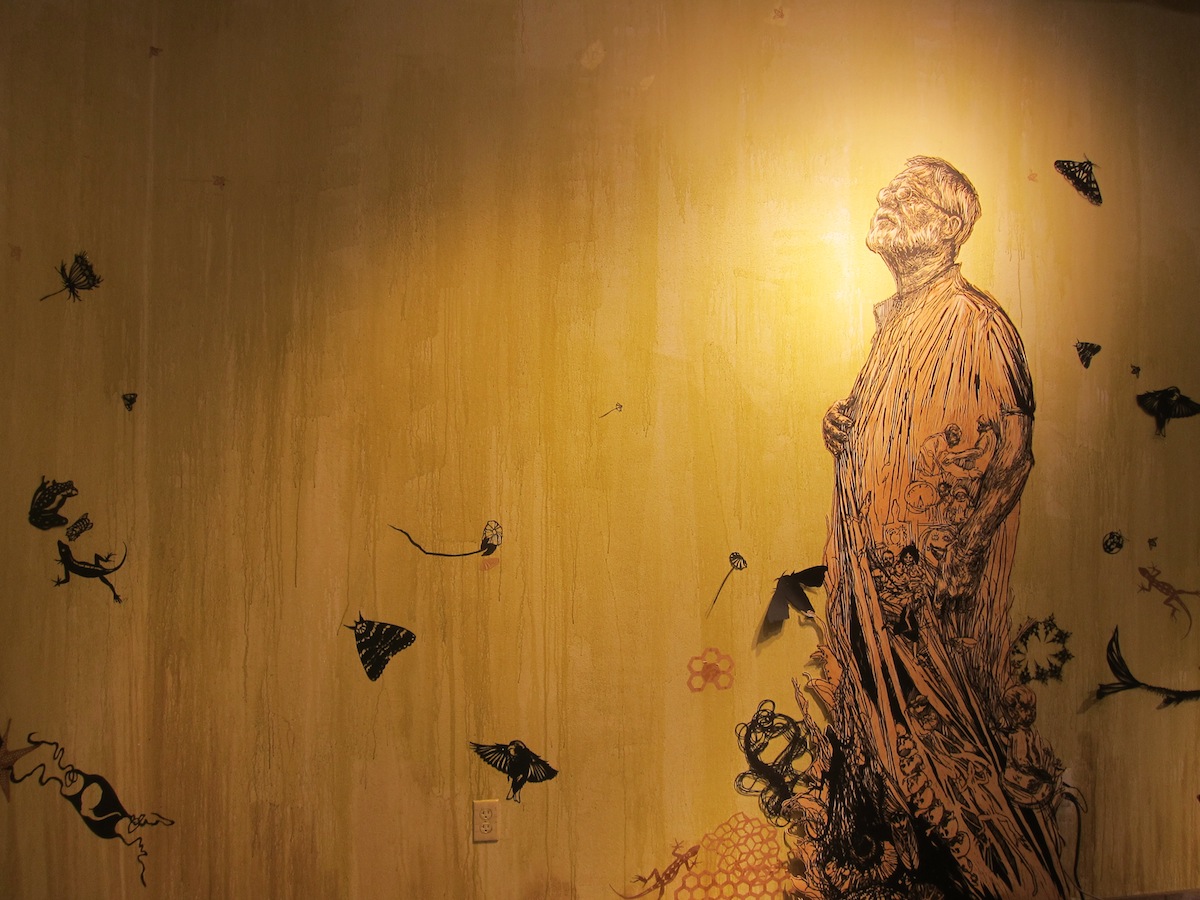
A portrait of Swoon's father
A portrait of Curry’s father. Click to view large.

More after the jump… Continue reading ““Petrichor” by Swoon”

Mata Ruda: Where nobody bothers to look

“I was leaving the South to fling myself into the unknown…I was taking a part of the South to transplant in alien soil, to see if it could grow differently, if it could drink of new and cool rains, bend in strange winds, respond to the warmth of other suns and, perhaps, to bloom.” –Richard Wright
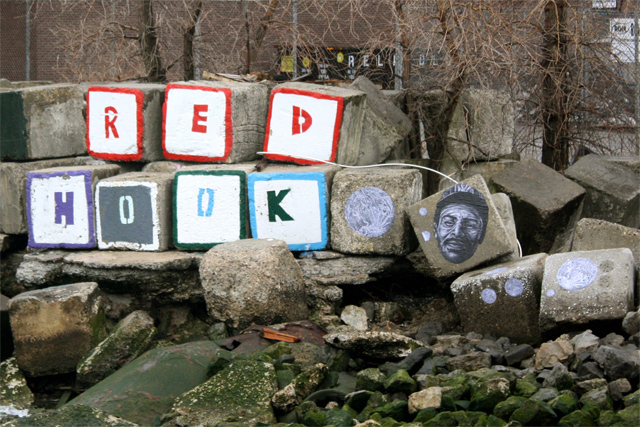
IMG_1124

Conceptually and visually intricate, Mata Ruda‘s portraits convey a history that is unfamiliar to those who remain unaffected in their daily lives. The idea of el otro, or the other, is something that permeates not only methodologies behind Latin American art history, but the lives of those who chose to emigrate from those countries. While the translation is literal, the word otro encompasses more than that; it’s the feeling of being pushed to the side by the government and others because of one’s origins. Whether undocumented, displaced, or otherwise without a home, these individuals are often left without a voice.
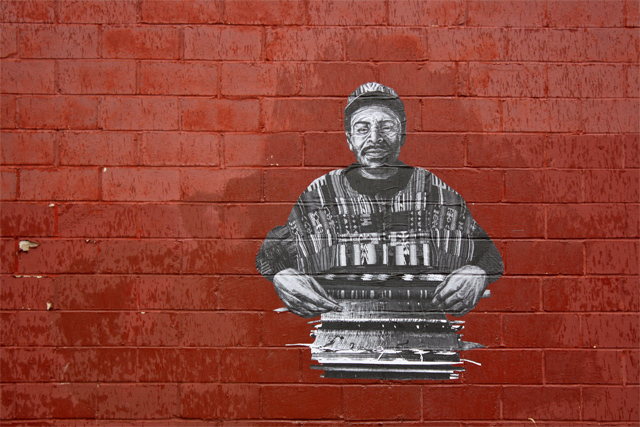
IMG_1127

Director Alejandro González Iñárritu explains the feeling of otherness as, “we can’t understand what is happening to ‘something’ if we aren’t looking but nothing is going to happen to that ‘something’ if we don’t look deeply. That’s why so many things with incredible potential go unnoticed…..because nobody bothers to look.” In his most recent series, Mata Ruda draws attention to artisans who would otherwise go unnoticed, traditional Central American weavers who have since emigrated to Brooklyn. By immortalizing these individuals in a public space, the artist draws attention to several underlying issues, such as our lack of appreciation for craftwork, immigration, and labor standards.
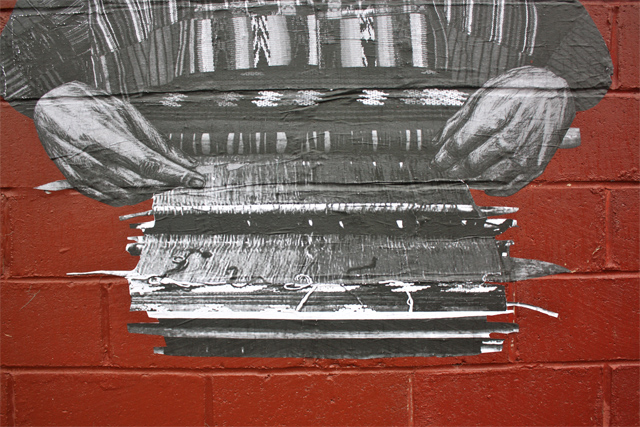
IMG_1128

Often seen as less than art because of its functionality, this portrait draws attention to the technical layers that makes up the complex patterns associated with Central American textiles. In order to create the zig-zags and vertical stripes associated with these patterns, you must be proficient enough to operate several huddles as well as have mathematical precision in order to accurately reproduce a specific image. This same attention to detail can also be seen in the detailed lines that form the shadows and creases of the weaver’s hands. While the right hand is busy manually picking the weft to create a pattern while the left tests the warp’s strength. It is in this intricate representation of the forgotten that Mata Ruda can be compared to other Social Realist public artists such as Gaia and muralist José Clemente Orozco.

During his life, Orozco saw his neighbors used as expendable bodies in the  Mexican Revolution, which he envisioned in The Masses as a sea of faceless heads, yelling but not thinking. The harsh lines that define a field of overlapping reflect the hoards that barricaded towns into starvation during his childhood and eventually led to the loss of one of his hands. For Orozco, he called upon these experiences to give a voice that would otherwise be lost with the pulling of a trigger. A hundred years after the war’s inception, Mata Ruda follows in a similar path, but instead representing the inequalities that run through the 21st century.
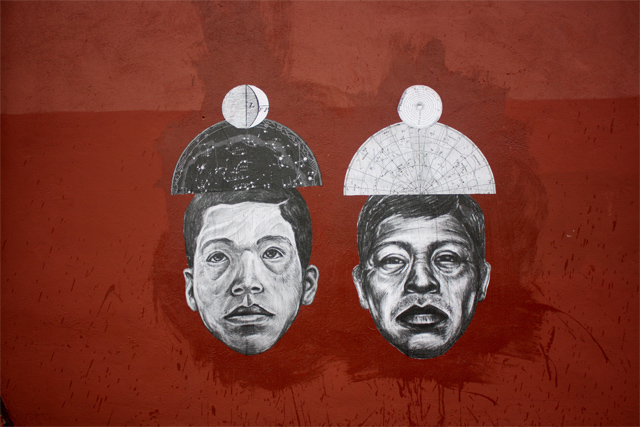
IMG_1125

Equally as important for Mata Ruda is the representation of homeland and histories. Visually, the artist draws upon the mythology of lunar planning that was integral to his predecessors. Used as a planning tool for practical matters and spiritual ceremonies, Mata Ruda has created portraits that symbolize this importance; the lunar calendars orbit his figure’s head on a series of rocks or become literally placed on their conscience.

It was not enough for the artist to display this meaning in a public space, he also took on a name that would convey this symbology. When literally translated, Mata Ruda means a rough or hardy plant, one that can survive when transplanted like the emigrants he depicts. Beyond the translation, the latter part of his name can be seen as a corruption of the spiritually vital herb Rue. As with lunar charts, this herb is used for its supposed spiritual properties, such as warding off evil and to bring abundance. Through his use of subjects and histories that would otherwise be forgotten, Mata Ruda can be seen as an embodiment of his chosen name. Although paper and wheatpaste may not weather storms, the ideas behind them will last.

Photos by Rhiannon Platt
Lush back at Backwoods Gallery

-10
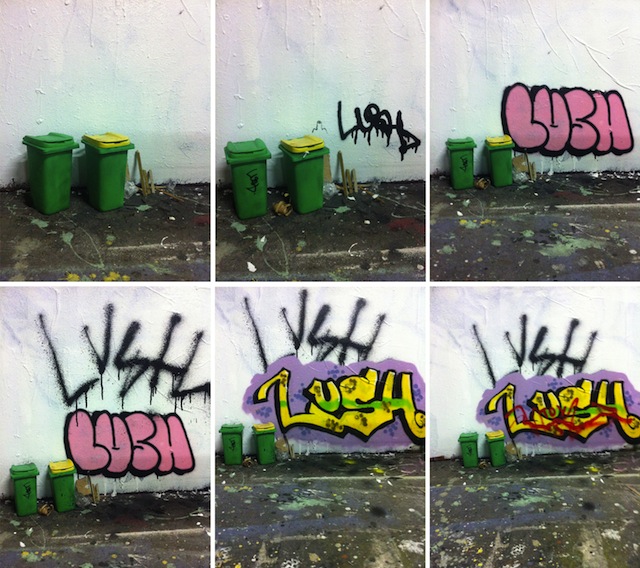
Mini graffiti by Lush

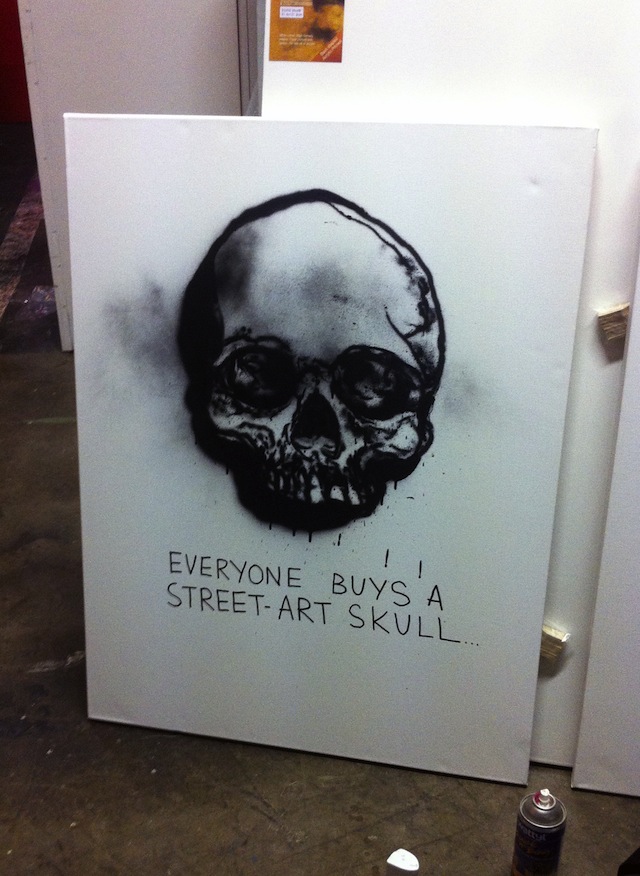
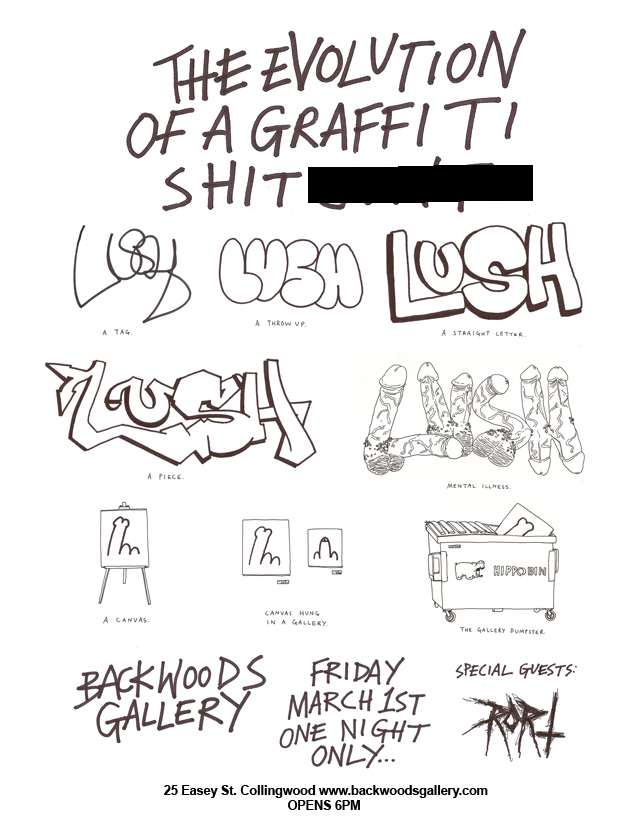
Lush is returning to Backwoods Gallery outside of Melbourne for a solo show (I believe his 3rd there) this week. The show, The Evolution of a Graffiti Shit ****, is open for one night only: This Friday. Lush’s shows are always a bit of a madhouse, so I would definitely recommending checking this one out, although obviously not if you’re easily offended (or, just really ever get offended about anything really). Seriously, should be great if you can handle it.

-9

lush

Photos courtesy of Lush

STOP WHAT YOU’RE DOING. Brad Downey has a website again.

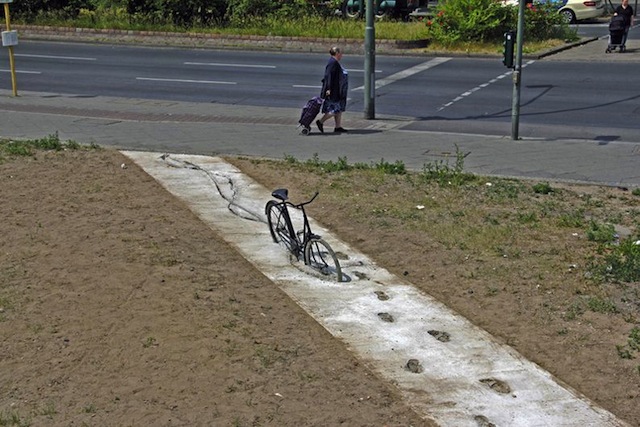
1.retouched
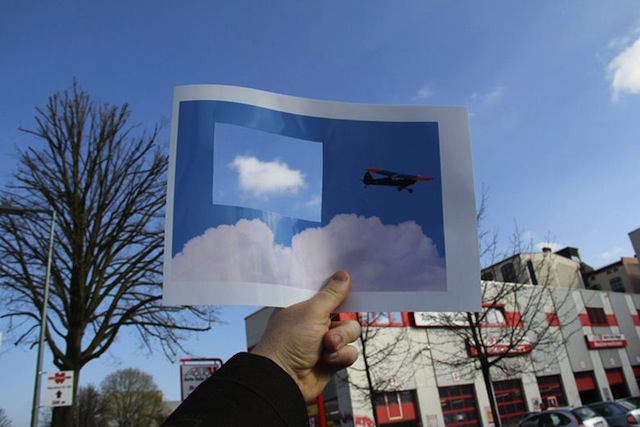
“Bike and Sidewalk” 2012. Berlin.

Brad Downey has a website.

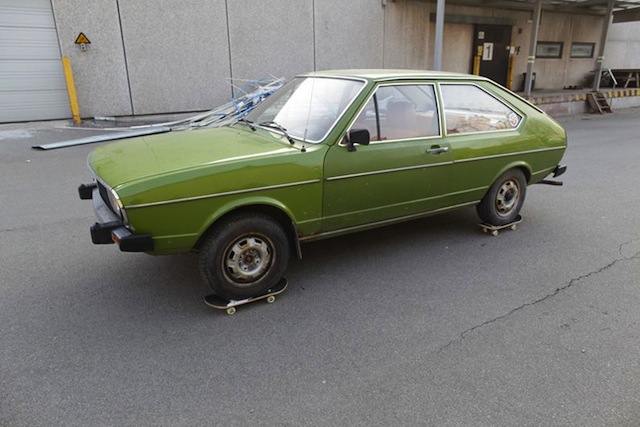
"This is How We Roll" 2011. Copenhagen.
“This is How We Roll” in collaboration with AKAY, 2011. Copenhagen.
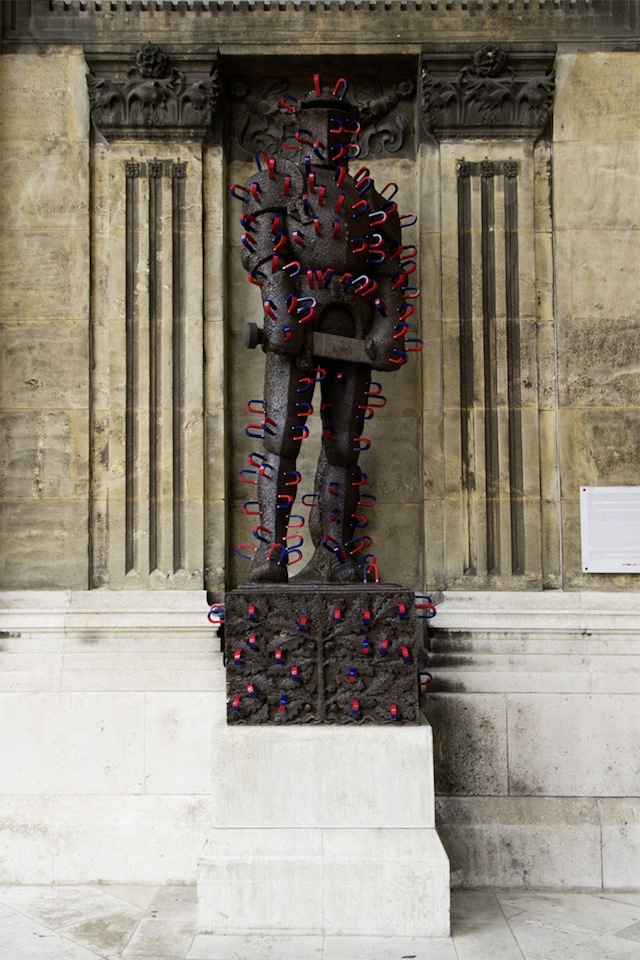
"Wehrmann with Magnets" 2011. Vienna.
“Wehrmann with Magnets” 2011. Vienna.
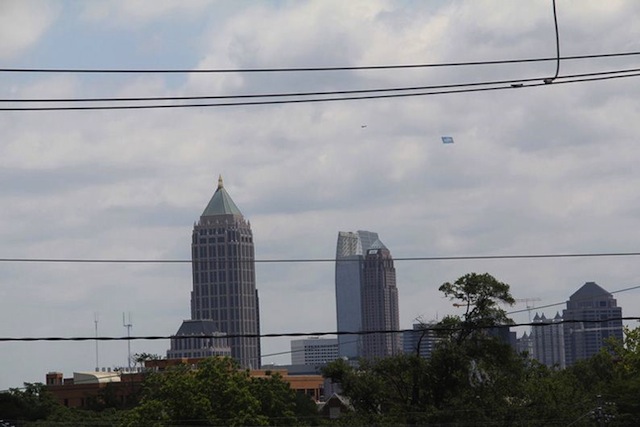
"Portrait of My Father" 2012. Atlanta.
“Portrait of My Father” 2012. Atlanta (Part 1)
"Portrait of My Father" 2012. Atlanta.
“Portrait of My Father” 2012. Atlanta (Part 2).
"Portrait of My Father" 2012. Atlanta.
“Portrait of My Father” 2012. Atlanta (Part 3).
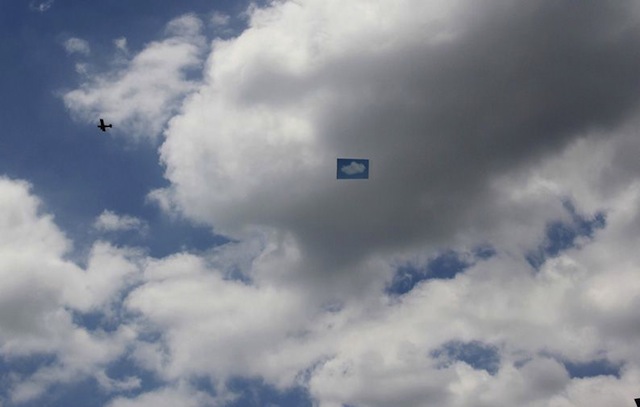
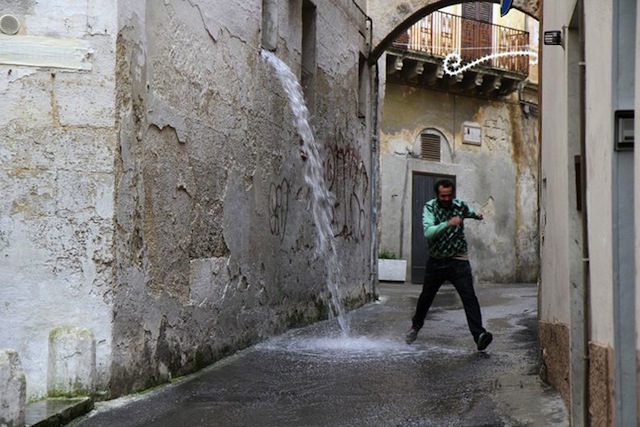
"Domesticated Waterfall" 2012. Grottaglie, Italy.
“Domesticated Waterfall” in collaboration with AKAY, 2012. Grottaglie, Italy (Part 1).
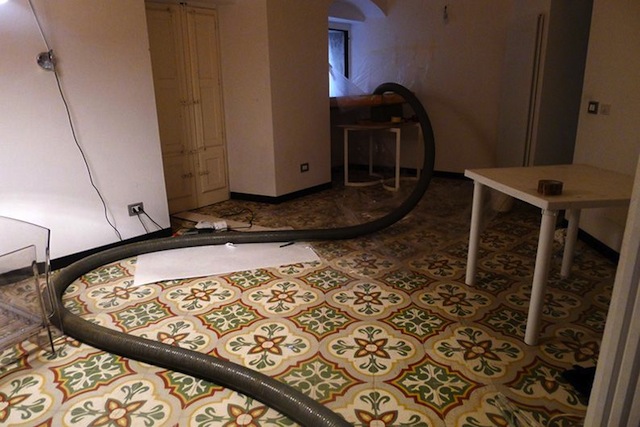
"Domesticated Waterfall" 2012. Grottaglie, Italy.
“Domesticated Waterfall” in collaboration with AKAY, 2012. Grottaglie, Italy (Part 2).

Photos by Brad Downey

Feral Child, Zio Ziegler and Cannon Dill collaborate

Click to view large
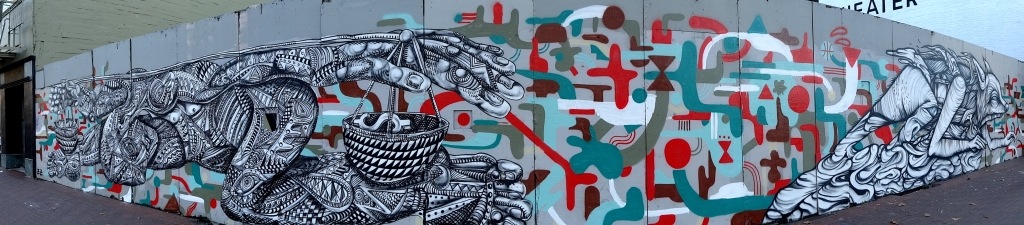
Cannon Dill on the left, Zio Ziegler on the right, with Feral Child’s background. Click to view large.

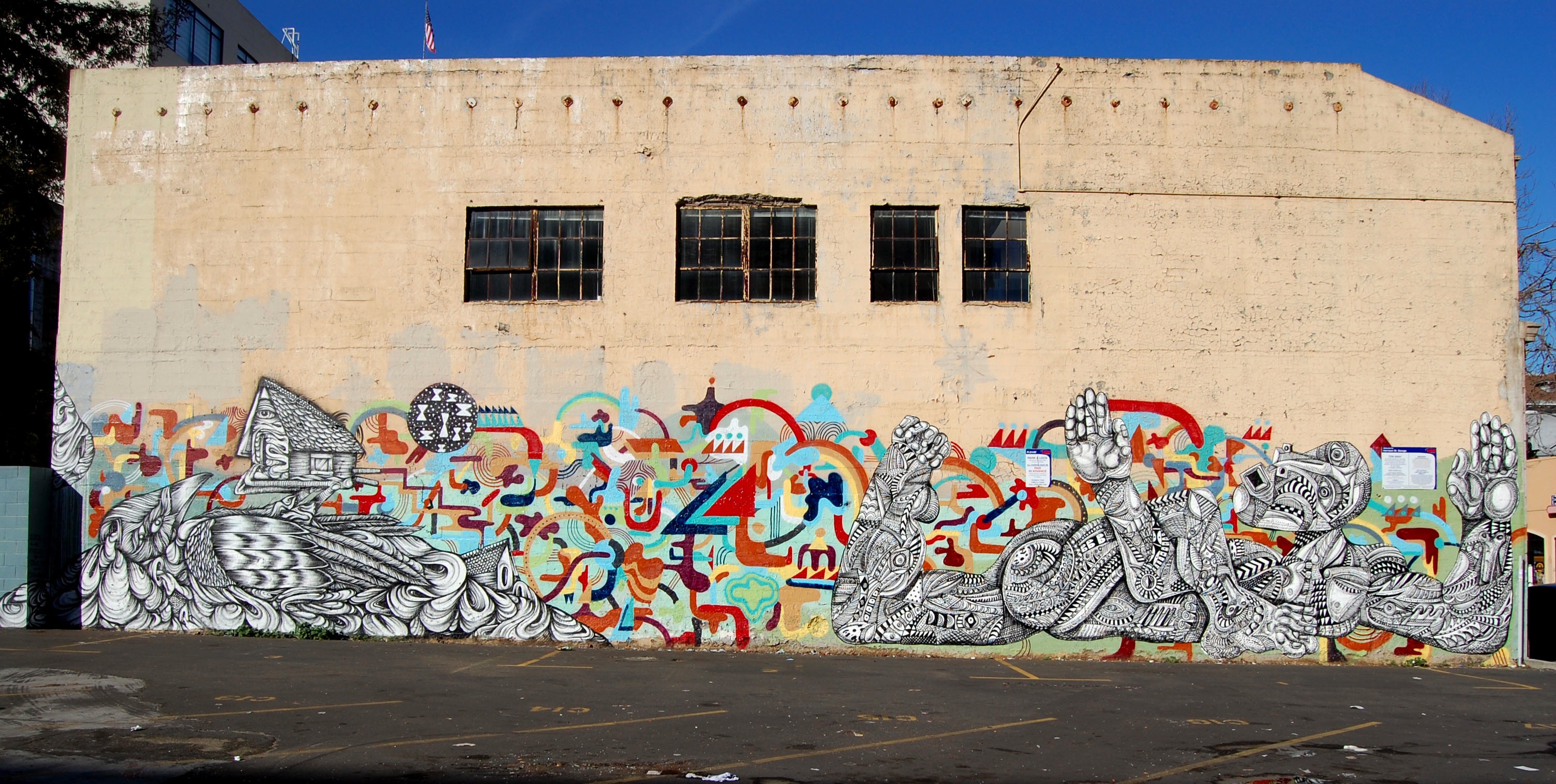
Feral Child, Cannon Dill, and Zio Ziegler have been working together recently on some walls in Oakland and San Fransisco, California. The three of them seem to make a great combo, and I don’t think I’d seen Cannon Dill’s work before, so I’m glad Feral Child has introduced me to the work of such a skillful painter. Definitely make sure to check out all of these walls in large by clicking on the image.

Click to view large
Cannon Dill on the left, Zio Ziegler on the right, with Feral Child’s background. Click to view large.
Click
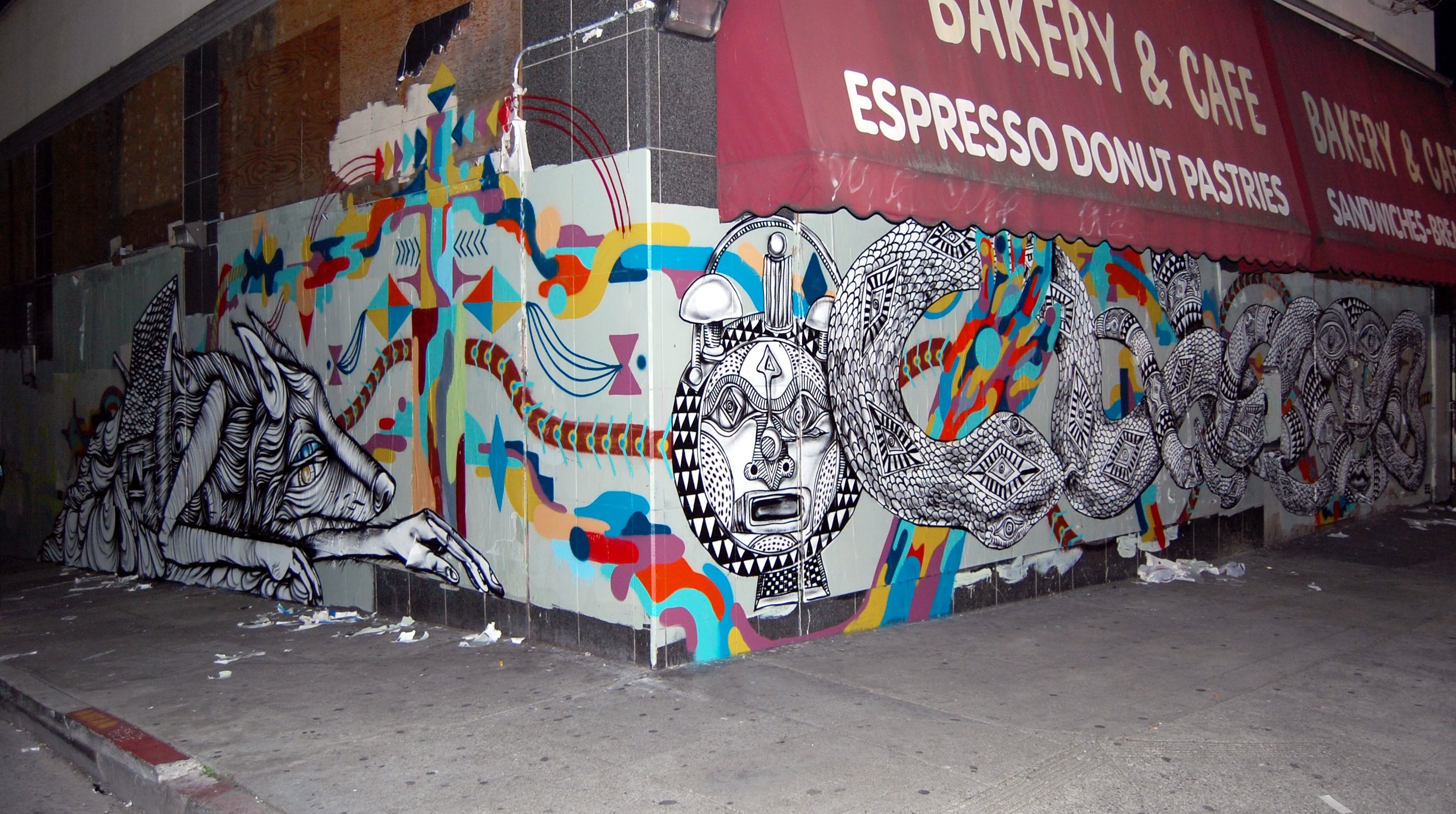
Zio Ziegler on the left, Cannon Dill on the right, with Feral Child’s background. Click to view large.

HOTTEA in Hollywood

Hollywoodprocess

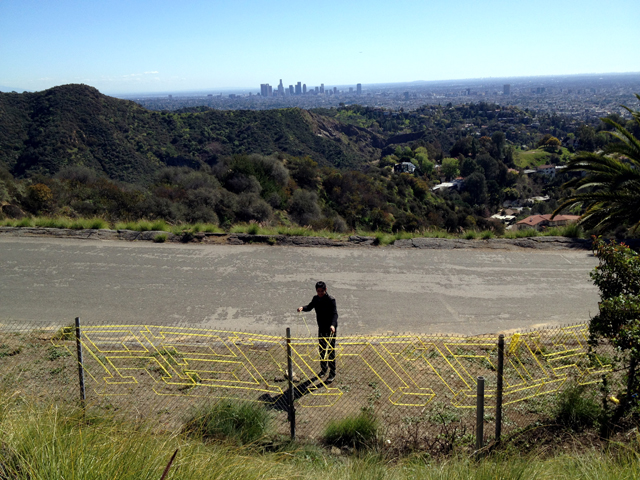
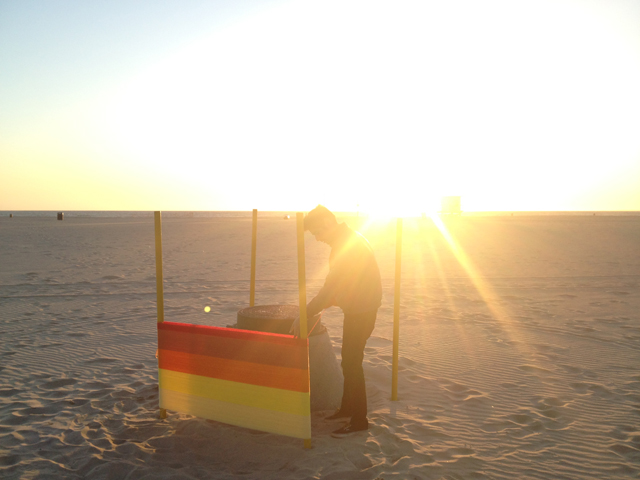
On a recent trip to California, yarn artist HOTTEA continued his experimentation with the public space. While stopping in LA, he chose a particularly risky fence near the Hollywood sign. Often thought of as being a relatively low risk form of illegal art, HOTTEA sends pictures that say otherwise. While, yes, you won’t go to jail for weaving some yarn through a fence, that doesn’t mean that the cops will leave you alone. In addition to this stellar location, HOTTEA shared some accompanying pictures of a stencil piece on Venice Beach and a fence near a wall by Dabs, Myla, How, and Nosm.

SunsetActionRaggedyANN

Continue reading “HOTTEA in Hollywood”

Dain in Miami

-1

Dain has a solo show coming up this week at Avant Gallery in Miami. Transformation opens February 28th and runs through March 20th, with an opening on the 27th from 6-9pm. But make sure to RSVP to the opening by shooting off an email to dain at avantgallery.com.

Photo courtesy of Dain