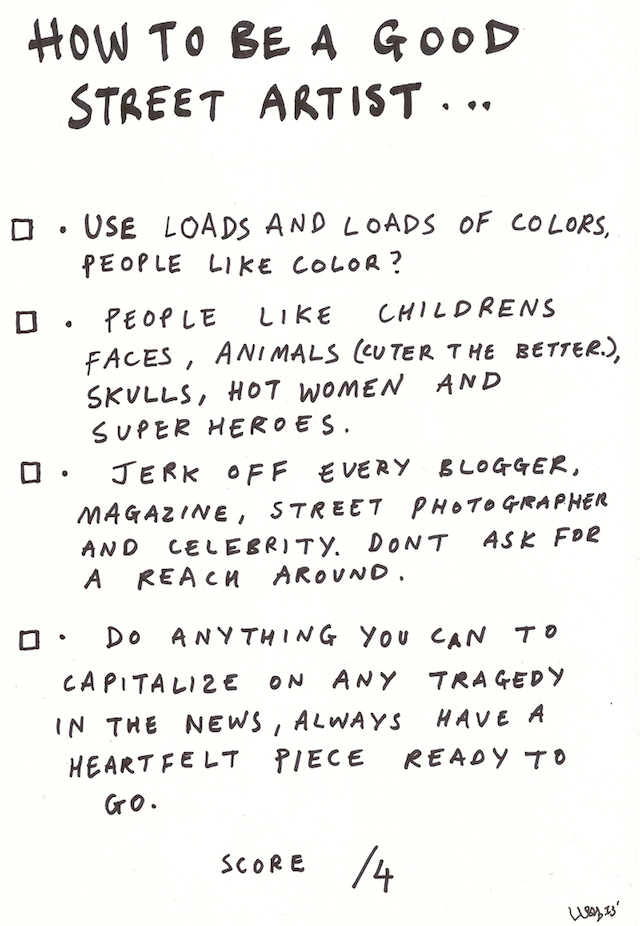
Announcing Viral Art, my new ebook

viralartcover-640

Today I have some news that I hope you’ll find very exciting, although you may have already heard a bit about it if you’re following me on Twitter. I’ve been waiting two and a half years to say this… Viral Art: How the internet has shaped street art and graffiti, my new ebook, comes out in just two weeks. Starting December 16th, the entirety of Viral Art will be available to read for free online at ViralArt.net. For now, there’s a brief excerpt published on Hyperallergic, and two more excerpts will be going up on other blogs between now and the 16th.

What is Viral Art about?

Viral Art traces how the histories of street art and graffiti have been shaped by communication technologies, from trading photos by hand to publishing books to sharing videos online. It is the most comprehensive look to date at how the internet has affected street art and graffiti. Conceptualizing the internet as a public space, I conclude the book by arguing that the future of street art and graffiti may lie in digital interventions rather than physical ones.

Why does Viral Art matter?

If you want to understand street art and graffiti, you have to understand how books, movies, magazines, photographs and the internet have affected artists and fans. Viral Art gets into all of that in depth, from the early days of graffiti through today.

Today we live on our laptops and smartphones, so I argue that the best way to keep the core values of street art and graffiti alive is for artists to take over the public space of the internet. It’s a claim sure to cause controversy in the street art, graffiti and internet art communities, but it might be the best way to save all three from irrelevance.

At Vandalog, we try to take stands and to go beyond just posting the latest pretty pictures. In that same vein, Viral Art isn’t just another street art book cheer-leading the movement on. It’s history and theory with a critical stance, and my plea to keep street art and graffiti relevant in a digital world.

What else is inside?

In researching for this project, I interviewed over 50 members of the street art and graffiti communities. In Viral Art, you’ll find never-before-published interviews, quotes and anecdotes from Banksy, Shepard Fairey, KATSU, Poster Boy, Ron English, Martha Cooper and many more.

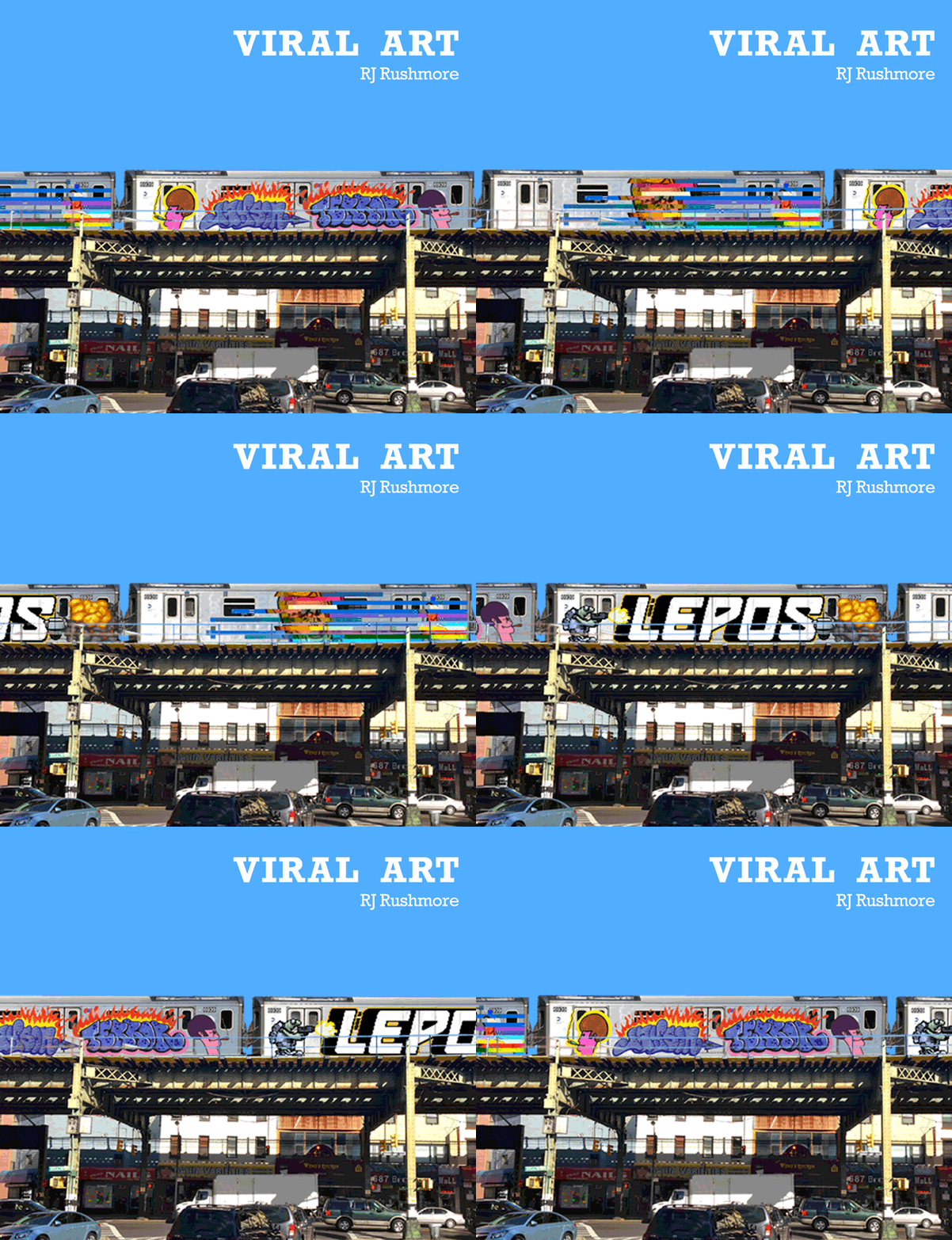
Another cool touch is the cover, which you can see at the top of this post. It’s an animated GIF designed by General Howe, featuring artwork by Diego Bergia, General Howe and Jay Edlin, as well as photographs by Martha Cooper and myself.

What’s all this gonna cost?

Nothing. You will be able to read Viral Art for free online. There will also be PDF and EPUB versions available for download.

How can fans support the book?

To help get the word out about Viral Art, you can join the campaign on Thunderclap.it. Thunderclap is kind of like Kickstarter, but instead of asking for money, I’m asking you to send out a link on the day that Viral Art goes live. Joining the campaign that will let you automatically tell your friends about Viral Art through Twitter, Facebook and Tumblr on December 16th.

This book is the result of two and a half years of mostly-unpaid labor. It’s being self-published. My marketing budget consists of a few bucks for ads on Facebook. Major publishers spend thousands or even tens of thousands of dollars marketing everything they produce, but this project has no book tour or publicist or anything like that. There’s only your support.

If you can help spread the word about Viral Art by joining the Thunderclap, I would be extremely grateful. Thank you. And of course, I hope you’ll read the book come December 16th.
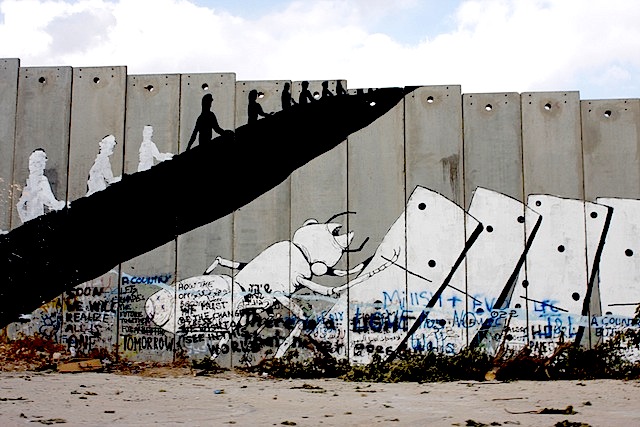
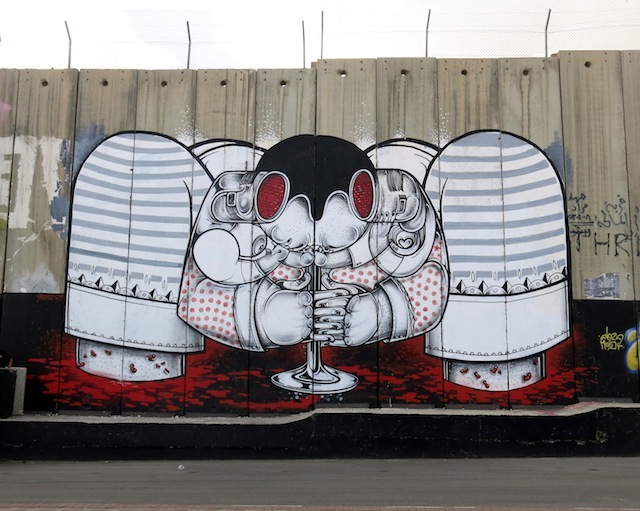
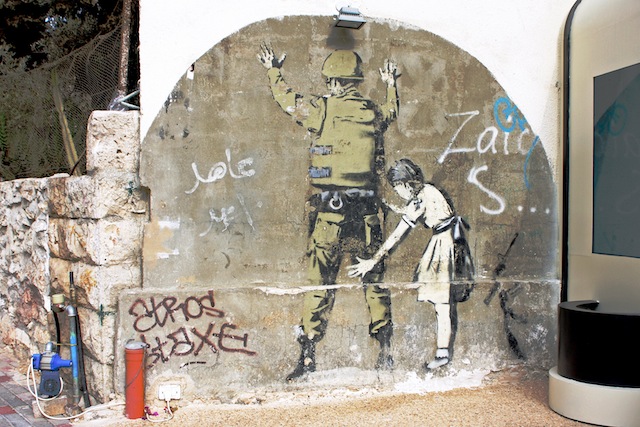
On the Separation Wall in Bethlehem: Seth, BrotloseKunst, How and Nosm, Banksy & more

On the Israeli-Palestinian Separation Wall -- as seen inside Bethlehem
On the Israeli-Palestinian Separation Wall — as seen inside Bethlehem

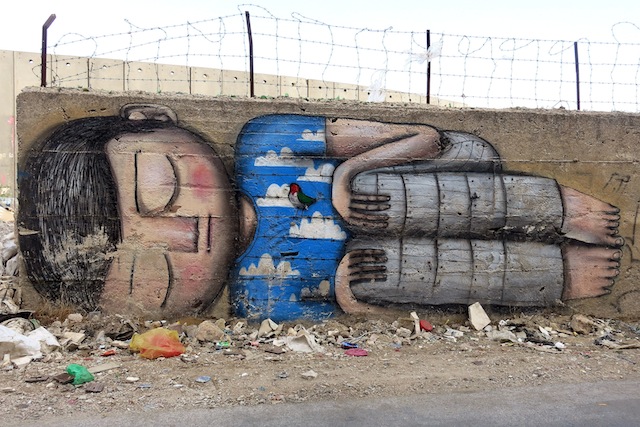
I had last visited Bethlehem in 2008. Few of the pieces I saw then on the Separation Wall or in the city itself remain. The wall and its surrounding environs continue, though, to serve as a canvas for a range of – largely political – art. Here’s a bit of what my son and I captured during our recent visit:

French artist Julien "Seth" Malland
French artist Julien “Seth” Malland
Julien "Seth" Malland
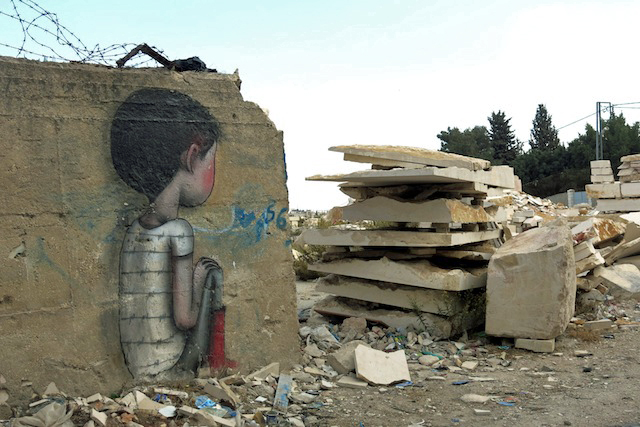
Julien “Seth” Malland’s poignant boy amidst the rubble
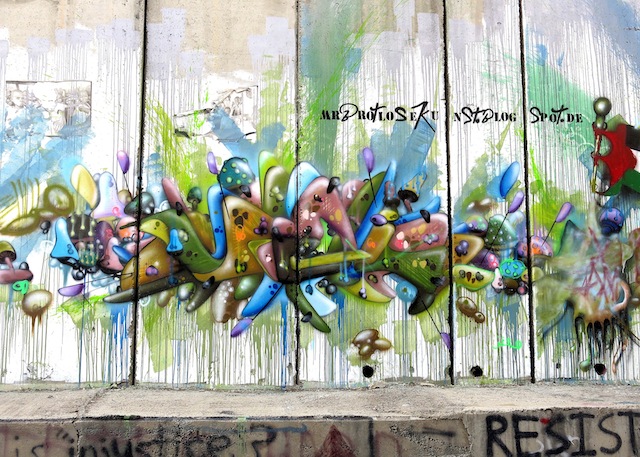
Germany's BrotloseKunst brings colorful writing to a dismal space
Germany’s BrotloseKunst brings colorful writing to a dismal space; close-up of a huge piece
Sam3 and Erica il Cane
How and Nosm
How and Nosm
And still there -- Banksy
And still there — Banksy

 Photos by Dani Reyes Mozeson and Lois Stavsky

Help Pastel, 2501 and Austin McManus realize a project

1

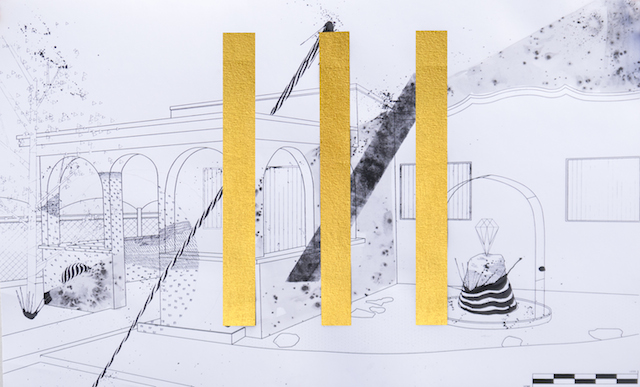
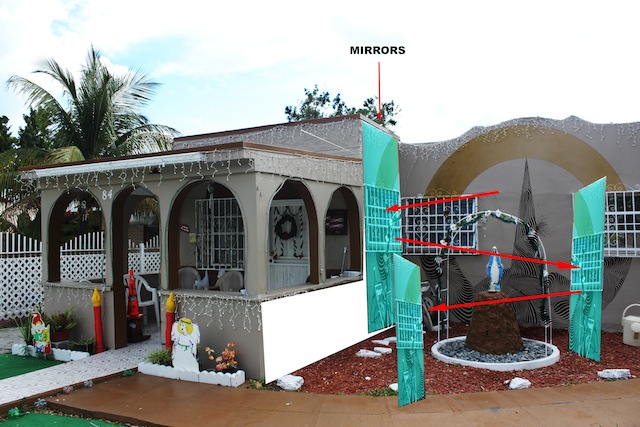
Never2501, Pastel and Austin McManus (contributing editor at Juxtapoz magazine and also a photographer) are reaching out to you and the art community to help make an upcoming project a reality. The three artists are planning to collaborate on the Mirrorless Project, a series of complex installations this year during the Miami art fair craziness. These installations for the Mirrorless Project will take the form of wallpaintings and specially placed mirrors homes at Wynwood, Miami. It’s a bit difficult to explain, so here’s a mock-up of how the mirrors and the wallpaintings might interact at one of the houses:

-2

One thing I’ve always admired about Never2501 is his curiosity with and embrace of how an artwork does not have to be a static thing, but can change over time in ways that an artist can only attempt in vain to control. The mirrors in this project are just one more example of that curiosity.

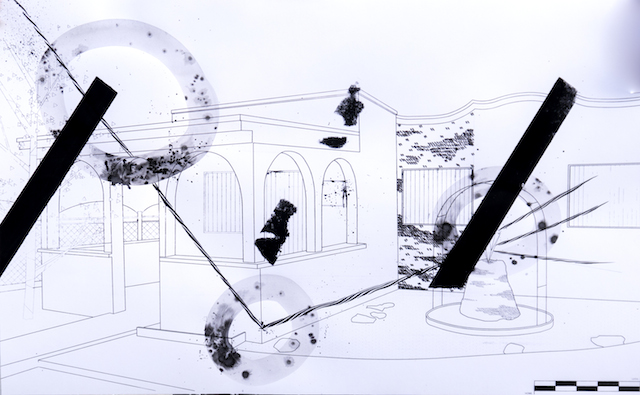
Pastel and Never2501 have worked on a series of collaborative and customized prints that they are using to crowdfund the project. Just as Christo and Jeanne-Claude sold preparatory sketches to fund their public projects, Mirrorless Project is being funded by sales of the print shown at the top of this post, essentially a preparatory piece for one of the installation sites. And there’s a lot of customization to these prints. They are one-layer screenprints. So, in the above piece the only thing that’s not handpainted is the drawing of the house. Everything beyond that is unique.

This Never2501 and Pastel collaborative and customized print is an edition of 50 plus 10 artist proofs and measures 70 x 100 cm. Only the APs of the edition are left, at $150 each. You’re basically buying an original given the amount of customization, so don’t hesitate too long if you’re thinking about picking one up. To buy a print and help fund the Mirrorless Project, just email info@2501.org.uk.

2

Images courtesy of Never2501

Street art & graff in Istanbul, Part II: Amose, Space Invader, Dome, Demo, Eskreyn & more

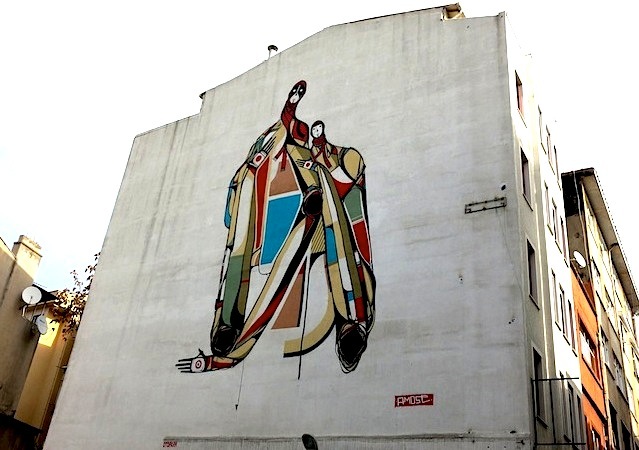
French artist Amose
French artist Amose

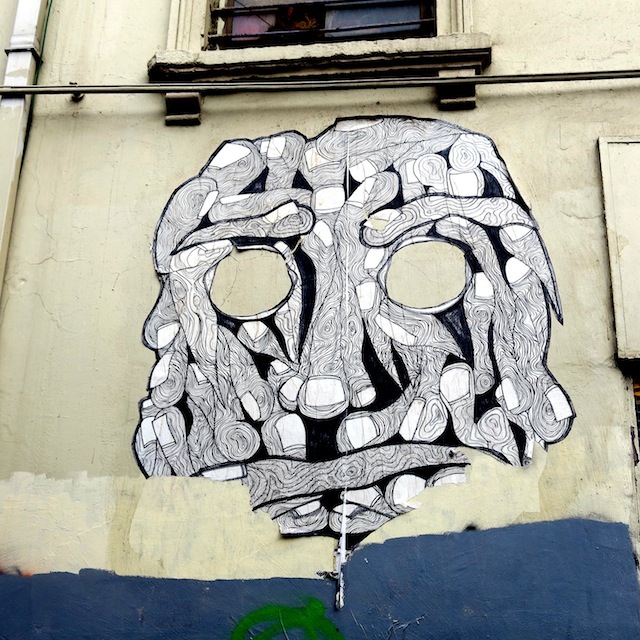
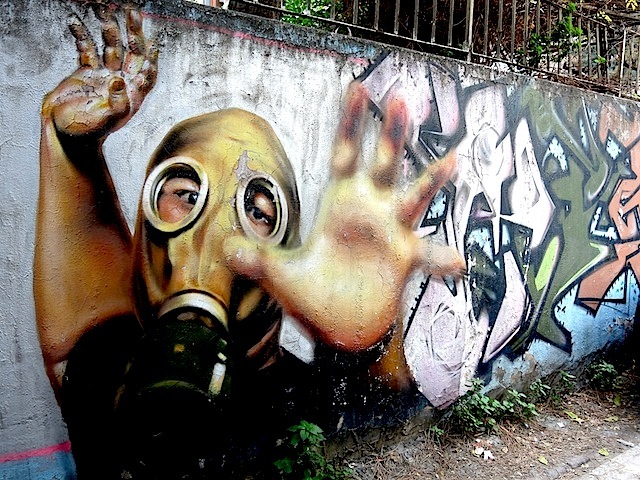
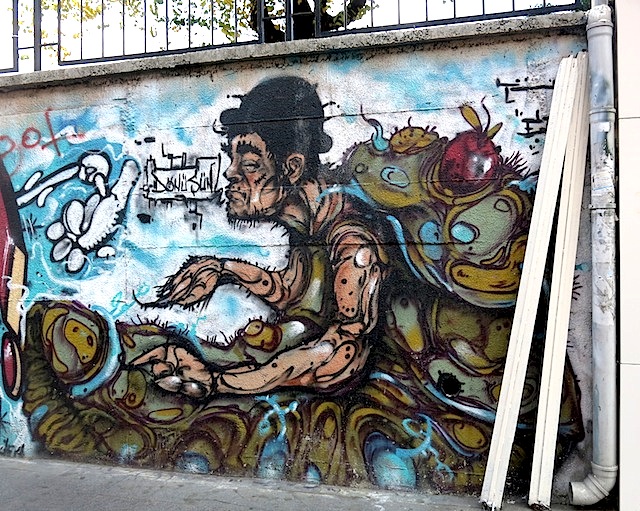
Whereas the authorities in Istanbul are quick to buff any political graffiti, they seem to be quite tolerant to other public art — both sanctioned and unsanctioned. Here are a few more examples of what currently can be seen in the city:

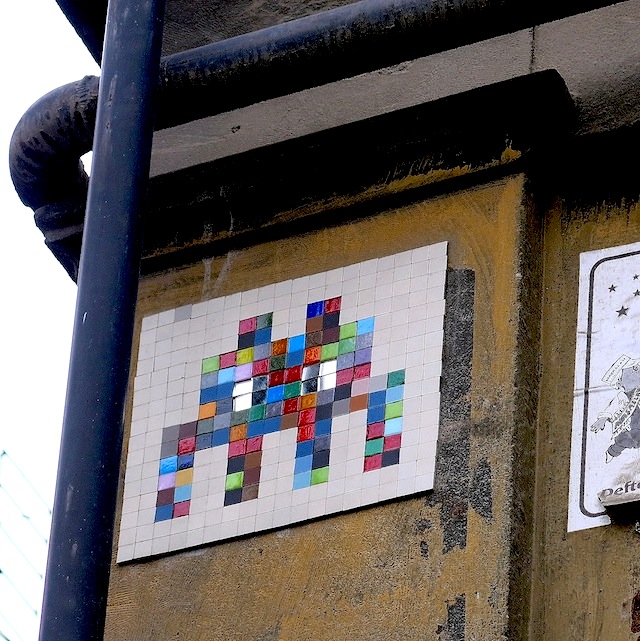
Space Invader
Space Invader
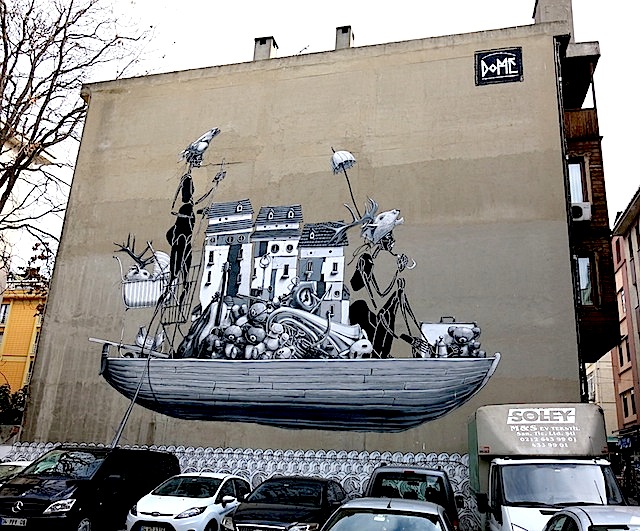
German artist Dome
German artist Dome
Portugese artist Demo
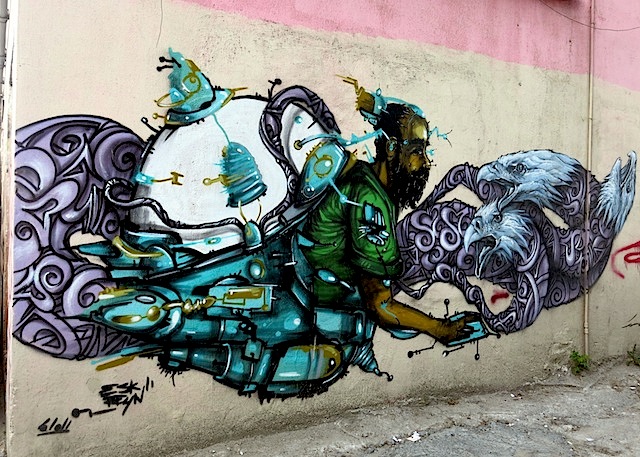
Local artist Eskreyn
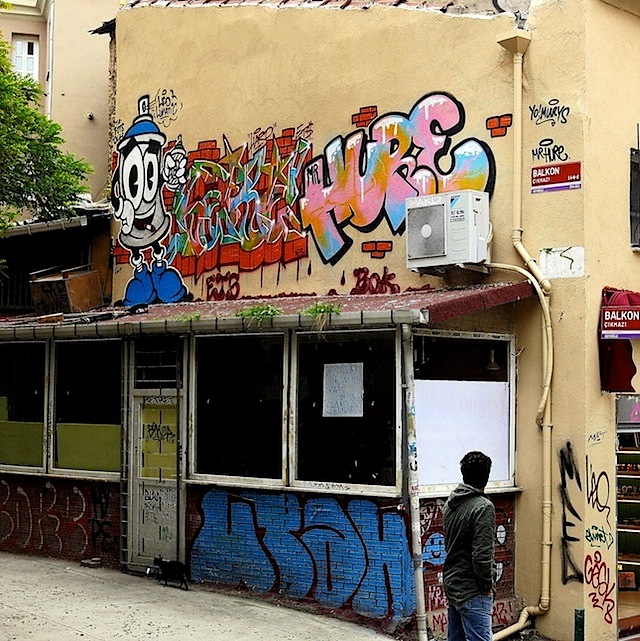
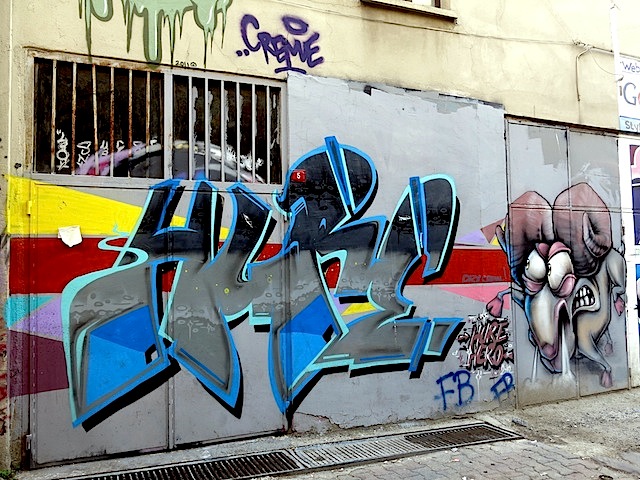
Both local and international writers here -- including Hure and Utah
Both local and international writers here — including Hure and Utah
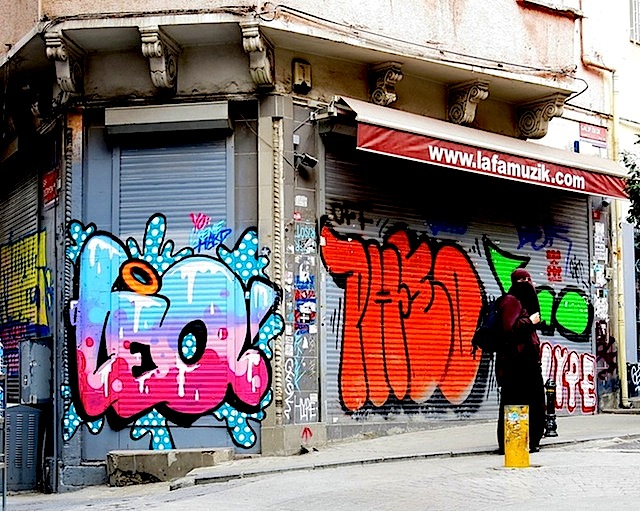
Just about every shutter has become a canvas for bombs and throw-ups

Thanks, again, to Erbil Sivaslioglu for sharing his knowledge of his city’s street art scene with us.

Photos by Lois Stavsky & Dani Reyes Mozeson

The future is here with Re+Public 1.0

How_To_STL_Front

Re+Public, a new app from The Heavy Projects and Jordan Seiler’s PublicAdCampaign, offers a glimpse of a future where the everyday is augmented by digital readouts and signage, and Re+Public makes sure that art has a place in that future. Basically, Re+Public is an app for iPhone and Android platforms that reads certain walls like QR codes, but instead of sending you to a URL, scanning a mural pops an image onto the screen of your phone, overlaid on top of the mural. We teased this technology back in January when it was in beta, but here’s a reminder of what it looks like when the app is doing its thing:

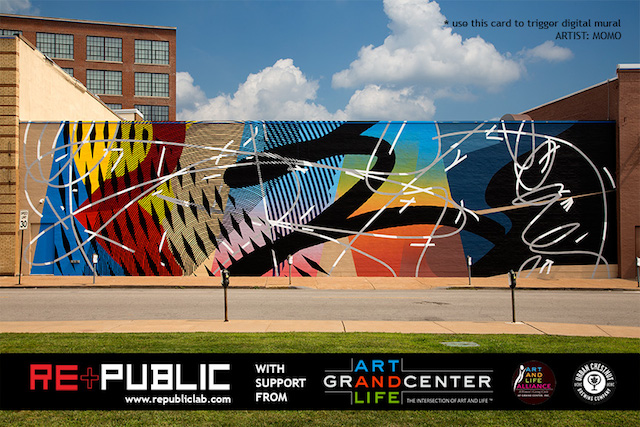
And now Re+Public is available for free public download on Google Play or in The App Store. There are new walls that activate it too. The mural by MOMO at the top of this post is one, and if you download the app, you can test it out on that image.

This is some pretty amazing stuff. I’ve been listening to Jordan Seiler talk about the possibilities of Re+Public for a while, and eagerly awaiting its release. Yes, Re+Public 1.0 is definitely an early version of the software since you have to tell it to look for a specific mural before you hold it up to a wall and there are only a handful of sites that will activate any augmented reality content, but Re+Public is a fantastic proof of concept. Some day augmented reality will be the norm. Like in sci-fi movies, we’ll walk around with little implants in our eyes that will act as heads-up displays for everything around us. Do we want those displays to be showing us ads with deals for nearby restaurant deals, or art (or maybe both)? I vote for art.

If you’re in Miami next week, a lot of the murals that activate Re+Public are in Wynwood Walls (unless all that is getting painted over), so try it out. You can see all the locations where Re+Public works and test it out for yourself over on Re+Public’s website.

Photo courtesy of Re+Public

Street art & graff in Istanbul, Part I: Pixel Pancho, Hure, Hero, Kripo, Eskreyn and Various & Gould

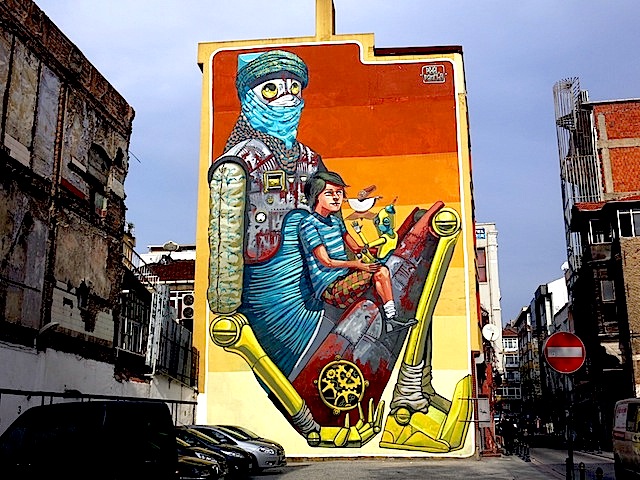
Italian artist Pixel Pancho

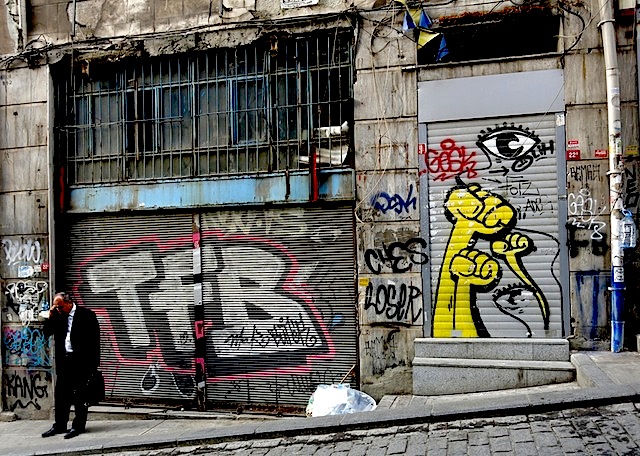
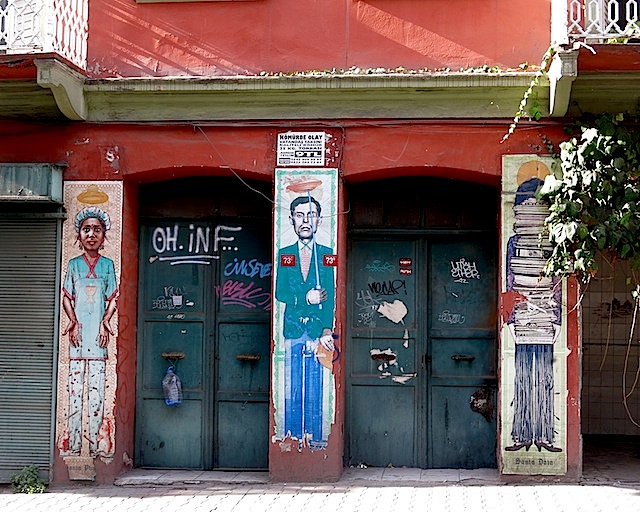
Relatively new to Istanbul, the modern street art movement is beginning to make its mark and gain recognition as a legitimate contemporary art form. In our few days in Istanbul, we — my son and I — saw everything from tags and throw-ups by both local and international writers to huge murals by first-rate artists. We also discovered some local street artists whose aesthetics fuse the best of Eastern and Western sensibilities. Here’s a sampling:

Local artists Hure and Hero
Kripo's ever-present yellow hand
Kripo’s ever-present yellow hands
Unidentified artist
Unidentified artist
Local artist Eskreyn
Berlin-based artists Various and Gould

Special thanks to Erbil Sivaslioglu who shared with us his passion and knowledge of his city’s street art scene.

Photos by Lois Stavsky and Dani Reyes Mozeson

Juxtapoz and Complex miss Banksy’s uniqueness, celebrate his sameness

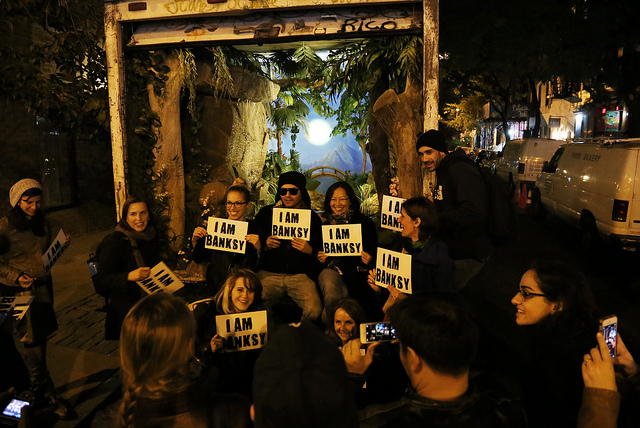
While I doubt anyone in that crowd is Banksy, they're all participating in Banksy's artwork. Photo by Ray Mock.
While I doubt anyone in that crowd is Banksy, they’re all participating in Banksy’s artwork. Photo by Ray Mock.

These last few weeks, I’ve been processing Banksy‘s Better Out Than In residency project and reading what other people have had to say it about it. Now, some mainstream media outlet like Forbes writes a silly article about Banksy and focuses almost entirely on money using numbers pulled from thin air, I understand. And hey, Jerry Saltz isn’t a fan or someone with a background in street art or graffiti, so of course his list ranking the pieces in Better Out From In from terrible to less terrible is a somewhat ridiculous. What really upsets me is when writers on media outlets that should know better miss the point entirely. Two articles in particular, in Juxtapoz’ print edition and on Complex’s website, struck me as particularly off-base.

The latest issue of Juxtapoz arrived in my email inbox on November 12th, so it’s very possible that Nick Lattner wrote at least the majority of his article before Banksy finished Better Out Than In, which is just the unfortunate reality of print journalism from time to time I suppose. If that was the case, I understand why Lattner went for writing about Banksy’s use of social media during Better Out Than In than the works in the show. Or maybe it was an attempt to stand out among the hundreds of blogs and magazines doing round ups of the top X pieces in the show. Whatever his reasoning, Lattner tries to argue that the real brilliance of Better Out Than In is how Banksy showed “a mastery of [his] command” of social media and the internet for getting his work out there. Lattner praises Banksy’s use of an Instagram account, a website and a hotline for audio-descriptions-by-phone.

None of that was innovative. It might have been cool, but it was not new. Cost and Revs listed a working phone number on their wheatpastes in the 1990’s. Banksy has had a website for years, as have most serious street artists, and Banksy was late to the game joining Instagram. Was it a surprise to see Banksy on “social media” networks? Sure. But only because he’s anti-social. And once on Instagram, he used it to push out content, not to engage. What Banksy did by putting his work on his website and posting it to Instagram was not innovative. It was simply not being stupid, assuming he wanted as many people as possible to see his work. Why is Lattner applauding a lack of stupidity like it’s a stroke of genius?

Similarly, Leigh Silver over at Complex.com wrote an article with the headline Banksy’s “Better Out Than In” Took Place on the Internet, Not the Streets. I’m very pleased to see Silver writing something of such substance on Complex and she connects the show to a larger narrative about street art and graffiti online that I think is important to understand, but I disagree with her somewhat. Basically, she argues the same thing as Lattner with regard to Banksy: That the noteworthy aspect of Better Out Than In was that Banksy was posting this photos online. That’s where most people saw the Better Out Than In, and it helped to “preserve” the show in a sense by allowing it to be seen in photos even after the work was tagged over or otherwise destroyed. That’s all true, but I wouldn’t say that’s what was noteworthy about Better Out Than In.

On the one hand, with a book on basically the topic of street art and the internet coming out soon, I’m excited that other people have picked up on this shift. That said…

  • Even Silver admits that this has been the modus operandi of other street artists for years. It isn’t like Banksy just suddenly invented the idea of people seeing street art online.
  • Banksy himself has done work that’s made to be seen on the internet before (for example).
  • Seeing the work online was an option, but it’s not what Better Out Than In was about. Banksy is more interesting than that.

We need more people like Silver, people who suggest that “maybe ‘getting up’ is not on the streets anymore; it’s on social media,” but it seems odd to cite Better Out Than In as a prime example of that mindset. While there were a handful of pieces in the show that were meant to be seen online or really only existed online, there were many more pieces that were intended to be seen in person. Many of the best pieces in Better Out Than In begged for, or even required, crowd interaction to be activated and seen as complete. Here are the ones I’m thinking of:

  1. This is my New York accent – Perfect placement for people to crouch down and take photos while flashing fake gang signs.
  2. You complete meDogs peed on it.
  3. Truck delivering “calm” – This truck was supposed to be delivering calm, but really it delivered endless chaos as fans chased it down the street and crowded around for a photo.
  4. Balloon heart – You mean to tell me photos like this one weren’t the point of this piece? Oddly, this is a piece that Lattner cites as one of his favorites.
  5. Banksy beaver – Maybe crowds weren’t intended as essential to this piece, but Lattner cites this video as evidence that the show had a focus on digital experiences, which is ridiculous since the video only exists due to the actions of people at the site of the piece.
  6. Sirens of the lambs – Yes, the video of this piece is great, but it’s one of those pieces where the experience is 10x better in person.
  7. Confessional – Again, this is about the crowd staging photographs. Yes, those photos are shared online, but a crowd needs to be there away from keyboard as the first step.
  8. Central Park stencil sale – Even this piece, which it seems no hardcore Banksy fans saw in person, required some crowd interaction or lack thereof. Without that, what’s the story?
  9. Twin Towers tribute – Many people have suggested this was Banksy essentially daring people to tag over the work. Who would dare tag over a 9/11 tribute piece?
  10. Big malletMore site-specific posing.
  11. SphinxJust like many ancient Egyptian ruins, Banksy’s work is often subject to looting.
  12. The banality of the banality of evil – How much will you pay for a painting of a Nazi (okay, admittedly this auction took place online…)?

Better Out Than In was not about the internet. It was not about Banksy “broadcasting” his work to an Instagram audience as Lattner suggests in Juxtapoz and it did not primarily take place on the internet as Silver suggests, at least not any more so than 99% of mainstream street art today. Yes, Banksy utilized the internet, but for the most part only to the extent that any reasonable street artist utilizes the internet. In fact, Banksy probably had more of a focus during this show than most contemporary mainstream street artists have in their work on away from keyboard crowd interaction and response. What Silver and Lattner are noticing is street art in general, not Banksy.

If you want examples of street art that exists on the internet and was actually designed to exist there, check out the other examples in Silver’s article, or these posts I’ve written, or wait for my ebook Viral Art, which will be out in a few weeks.

Photo by Ray Mock

Escif questions the role of murals

11048276694_2b844f0ac7_b

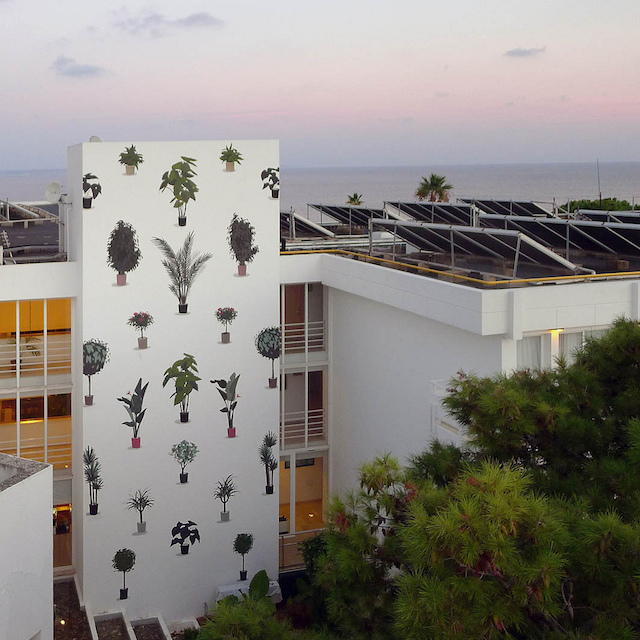
I love this new mural by Escif, which is in the same vein as some of his work from this past summer. Those two murals, along with this new piece, titled Vertical Garden, all pick up on the question of what the hell contemporary murals are supposed to be. Are they just a new version of plop art, decoration for the wealthy? How can artists coming out of street art and graffiti reconcile their roots in rebellion, complete artistic freedom, anti-authoritarianism and direct community engagement with creating urban decor at the request of hotel owners and city councils?

Photo by Escif