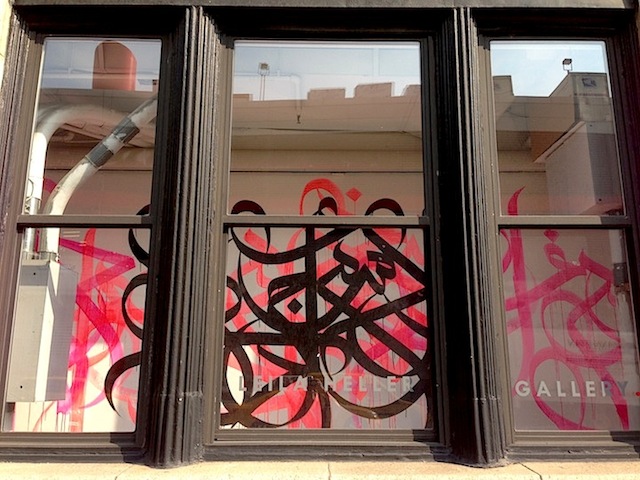
Calligraffiti 1984/2013 at Leila Heller Gallery with upcoming artist talk

eL Seed as seen from outside the Leila Heller Gallery

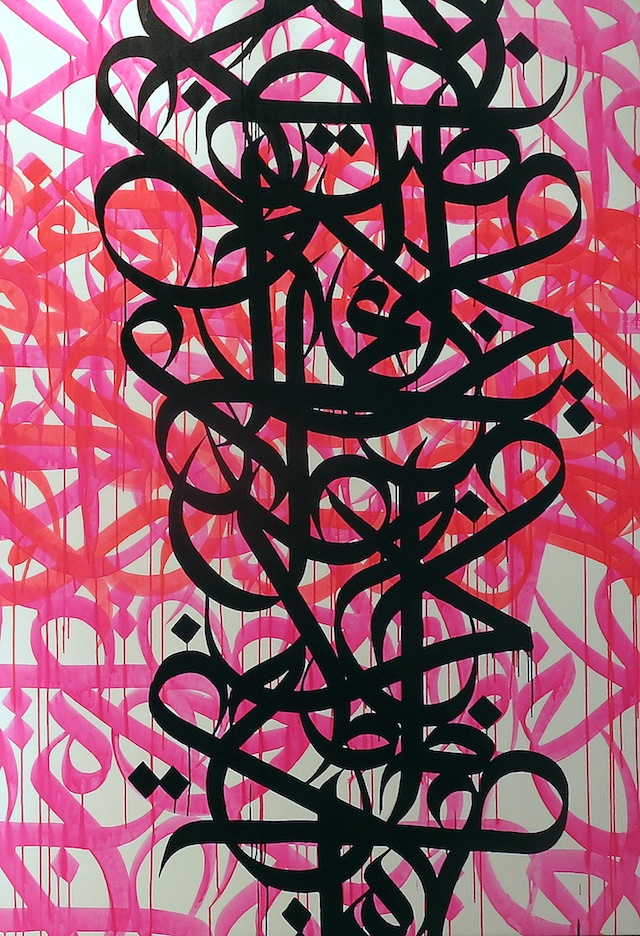
A huge fan of Middle Eastern calligraphy and modern graffiti, I found much to love at Calligraffiti: 1984-2013 at the Leila Heller Gallery. And, not surprisingly, among my favorite works were those by artists with strong roots in graffiti who are — or who have been — active on the streets.  Here’s a sampling:

eL Seed
eL Seed
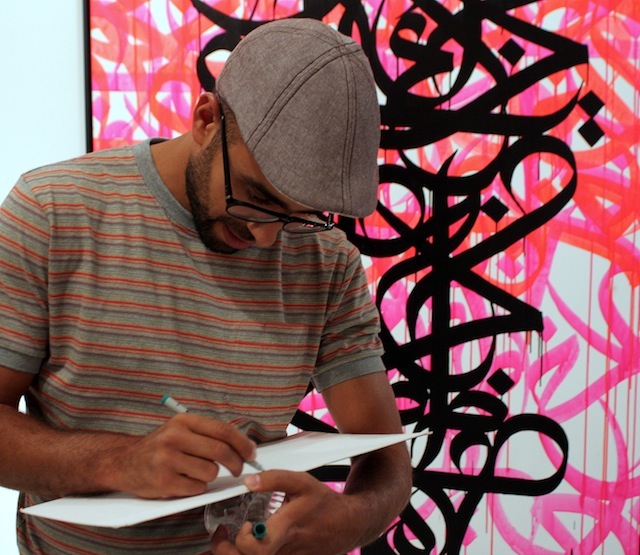
eL Seed on opening night
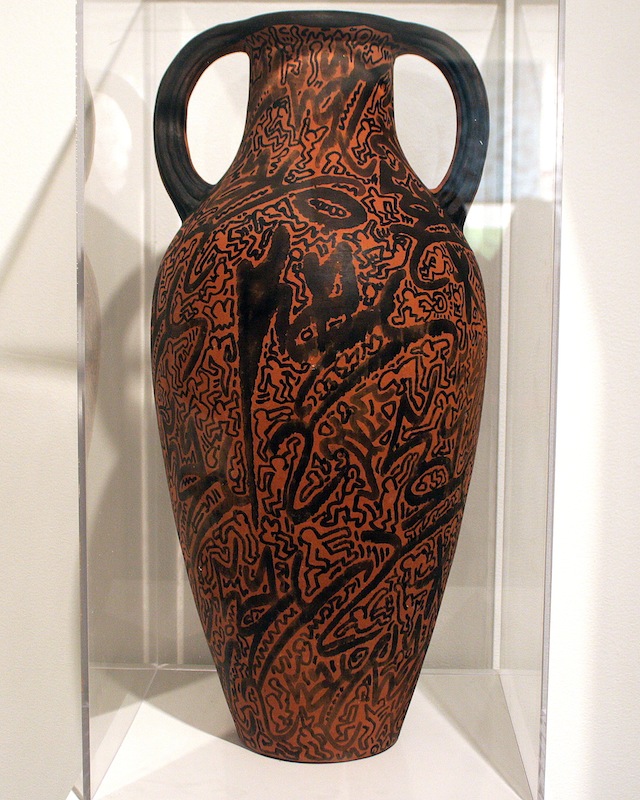
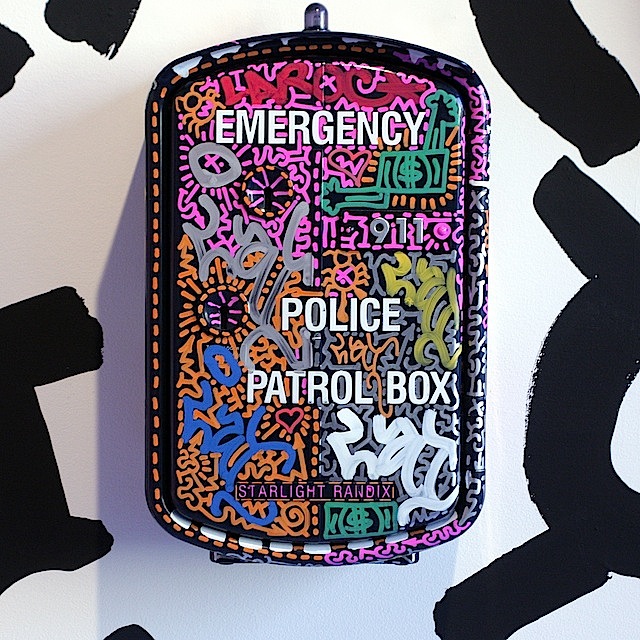
Keith Haring and LA2 collaboration
LA2
LA2
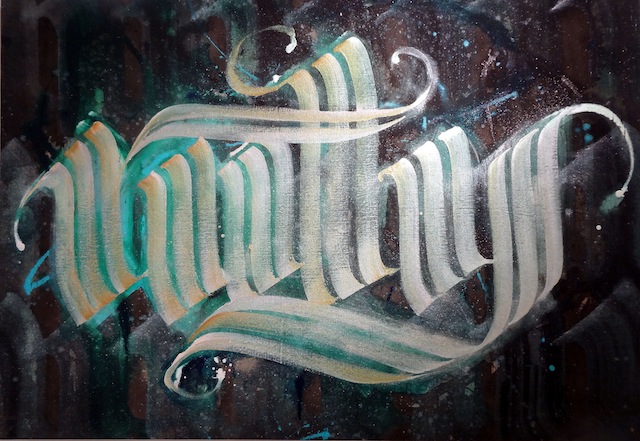
Niels "Shoe" Meulman
Niels “Shoe” Meulman

And for those who live in or near NYC, a Calligraffiti Artist Talk will be held in the gallery, 568 W. 25th Street, this Thursday evening at 6:30.  Featuring Ayad Alkadhi, Julien “Kaalam” Breton, Fab Five Freddy, eL Seed, LA2 and Rostarr, it will be followed by a site-specfic Light-Calligraphy performance by Julien Breton at 8 pm.

All photos by Dani Mozeson, except for eL Seed as seen from the outside the gallery by Lois Stavsky

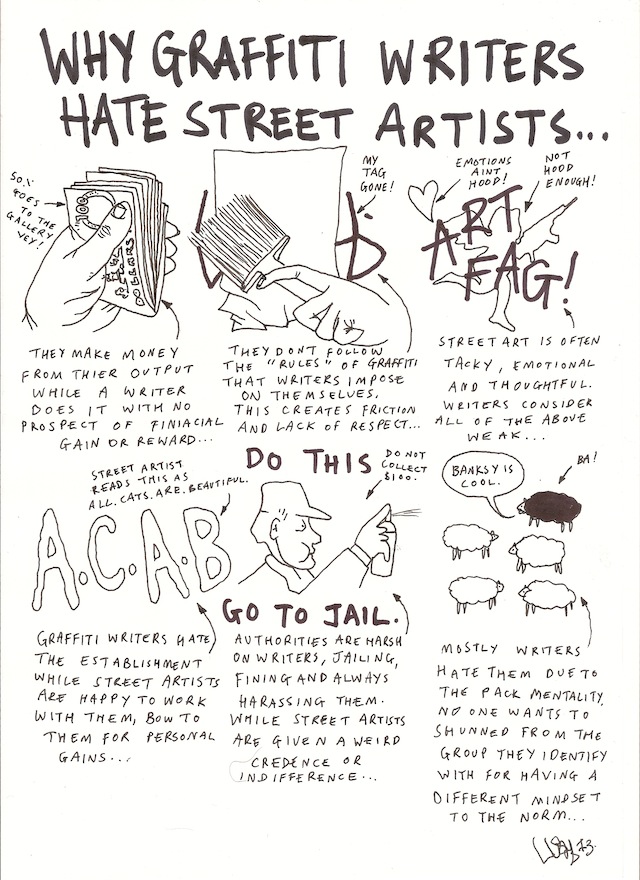
According to Lush… Why graffiti writers hate street artists

-1

UPDATE: For those who may be unfamiliar, the term “art fag” is commonly used by graffiti writers to insult street artists, like here for example. The use of the term in this post caused some controversy on Twitter, but I think that you have to look at its use in the context of this comic. Lush is not advocating use of the term or not. He is merely documenting something that happens (something that I personally think is shameful). – RJ

A note from the editor: This week we have the first in a 10-part series of weekly comics by Lush. What do you think? Did Lush miss anything? Is it true? – RJ

Comic by Lush

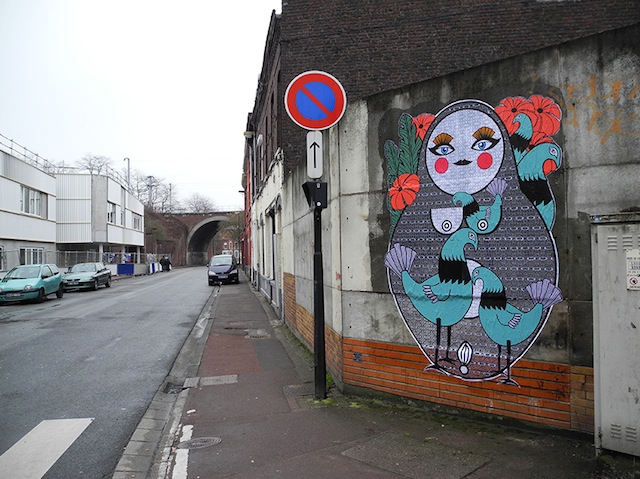
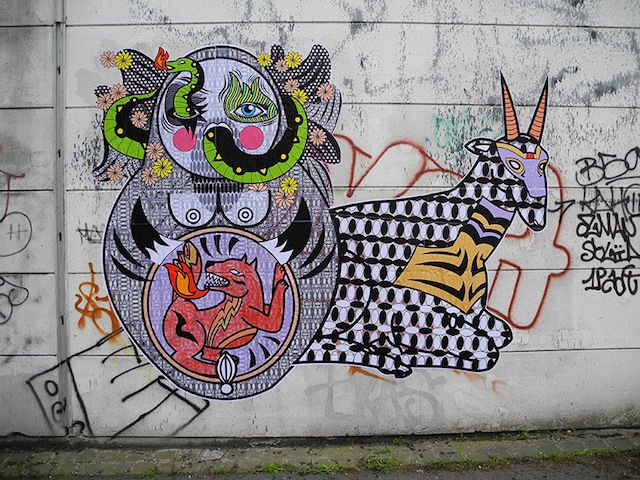
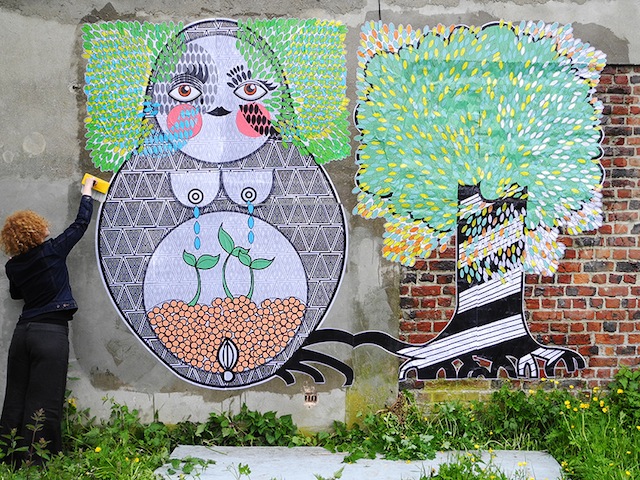
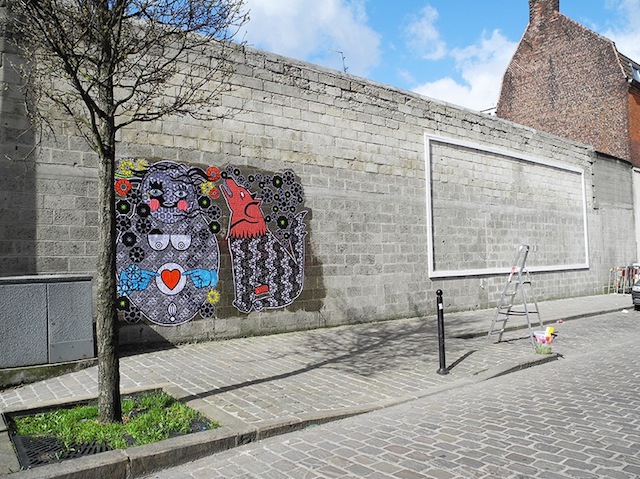
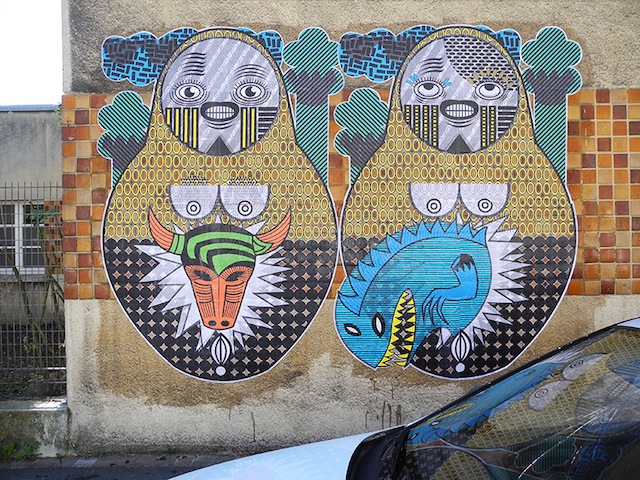
Sara Conti’s Russian nesting dolls

198+(2)

I was recently introduced to the work of Sara Conti and her Russian doll wheatpastes. I’m enjoying her combination of printed designs and cut paper. Plus, of course it’s always nice to see a bit more of a feminine vibe on the street in such a male-dominated scene (especially when the work appears to be done without permission). You can find Conti’s work on the streets of Belgium.

204+(1)

m.

15

2
Check out the details of the cut paper.

213+(1)

Photos by Sara Conti

Weekend link-o-rama

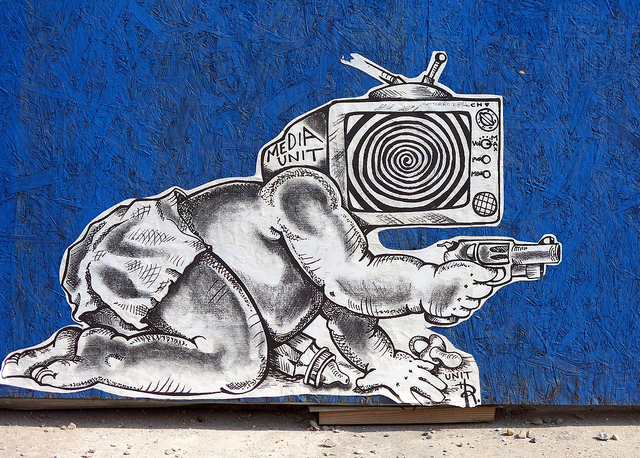
Unit 12, maybe. Photo by Dani Mozeson.
Unit 12 or Unit 112, maybe?

This link-o-rama is super helpful for me, because all week I’ve been working on my upcoming ebook instead of blogging. Hopefully the ebook will be out in November… Anyways, links:

  • I love that this show at LeQuiVive Gallery reframes a certain kind of work that often gets lumped in with street art or urban art as Neu Folk Revival, which describes the work much better than calling it street art or urban art or low-brow art. Some real talent in this show: Doodles, Troy Lovegates, Cannon Dill, ghostpatrol, Zio Ziegler, Daryll Peirce, Justin Lovato… It opens next month.
  • This piece by Part2ism needs to be seen. And look closely. That’s not just paint on the wall. Very interesting. I am glad to see Part2ism on the streets again, and I can’t wait to see what he does next. Once again, he has shown that he is ahead of the rest of us. This piece doesn’t look like graffiti. It doesn’t look like street art. It looks like art on the street, and that’s much too rare.Swampy has relaunched his website and posted a video diary sort of thing. I’m very curious what people think about it. Have a look and let me know.Check out this concept from Jadikan-LP: Art that only exists within Google Maps. Click the link. Explore the room. I normally hate lightpainting or “light graffiti,” but I absolutely love this piece. As far as I’m concerned, the internet is a public space and Jadikan-LP has invaded it with artwork, so this project is street art.
  • CDH wrote a really fascinating article in Art Monthly Australia about the commodification of street art. While I don’t agree with him entirely, I think it’s a must-read because at least it sparks some thoughts. It’s one of the best-written critiques I’ve read of the capitalistic nature of contemporary street art. Over on Invurt, they have posted CDH’s article as well as a response by E.L.K. (who CDH calls out in his critique). In his article, CDH called out E.L.K. for using stencils with so many layers that the work isn’t really street anymore, since stencils were initially used for being quick and a piece with 20 layers isn’t going to be quick. It’s just going to look technically interesting. Well, E.L.K. shot back in his response and made himself look like an idiot and seemingly declaring that all conceptual street art and graffiti is crap. There were arguments he could have made to defend complex stenciling or critique other points of CDH’s article, but instead E.L.K. mostly just attacked CDH as an artist. Anyway, definitely read both the original article and the response over at Invurt. The comments on the response are interesting as well.

Photo by Dani Mozeson

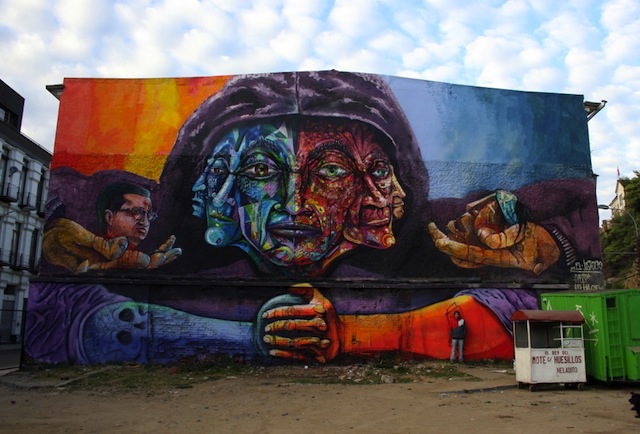
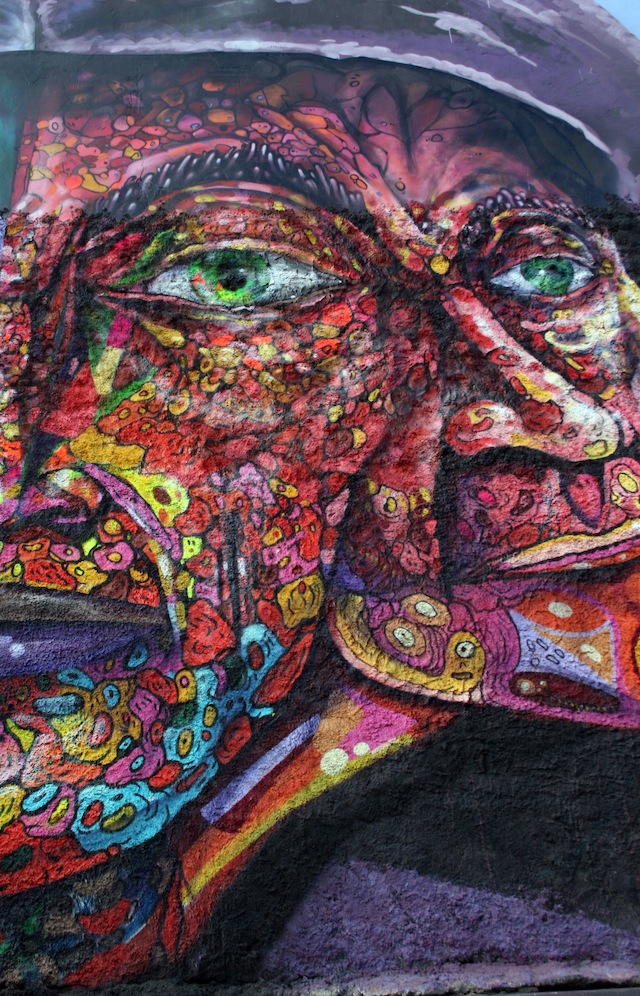
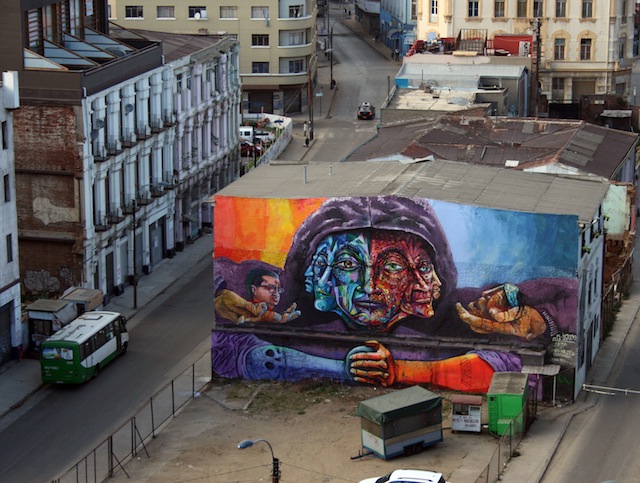
Pedro Uilli x Ha Crew x CuellIimangui in Valparaiso, Chile

IMG_3596

I’ve heard many many stories about a city that sounds like a mythical mirage in Chile. The stories usually come from old school graffiti writers turned street artists, turned global painters of the world. I have never wanted to travel so badly just to see urban art and portrayals of political expressions in a city as much as I’ve wanted to visit Valparaiso.

IMG_3611

This huge collaboration, titled “Injusticia” (“Injustice”) by Pedro Uilli, Ha Crew, and CuellIimangui in the Barrio del Puerto, criticizes the proposed Public Order Control Law, or as commonly named after its creator, the Hinzpeter Law proposed by Rodrigo Hinzpeter.

The Hinzpeter Law aims to raise punishment, jail time and harsh treatment of protesters.

IMG_3598

Last week was the 40th anniversary of the beginning of the Pinochet coup in Chile. This dictatorship took away countless young leaders, political innovation and the right of free speech and assembly. The political repression introduced by this dark historic period in Chile, pushed protesters and everyday folk to voice their oppositions through wheat pastes, political writings on public walls, and later on a fully developed muralist approach was implemented. This mural will be imprinted on people’s consciousness and I am looking forward to seeing more expressions in our cities that can expand awareness on any form of repression. I associate any protest and opposition to the silencing of a whole country; the biggest idea is one that cannot be easily silenced, erased or ignored.

IMG_3607

Photo courtesy of CuellIimangui

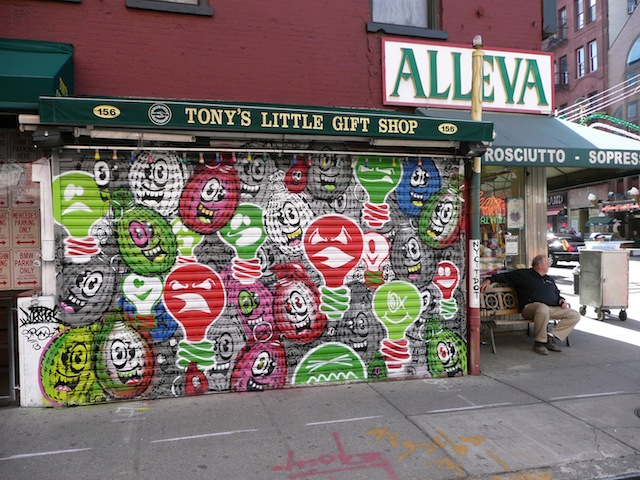
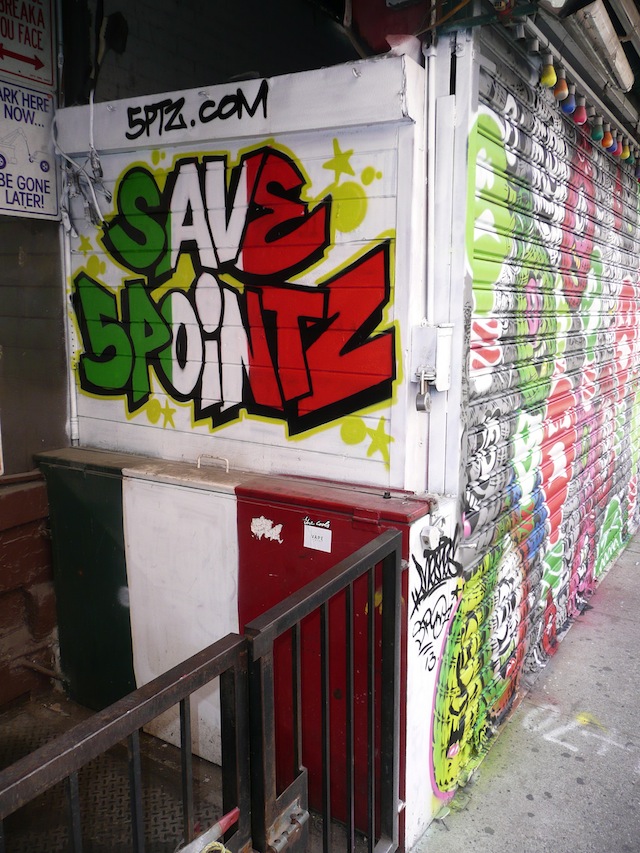
Meres and Spudbomb collaborate in Little Italy

P1020335

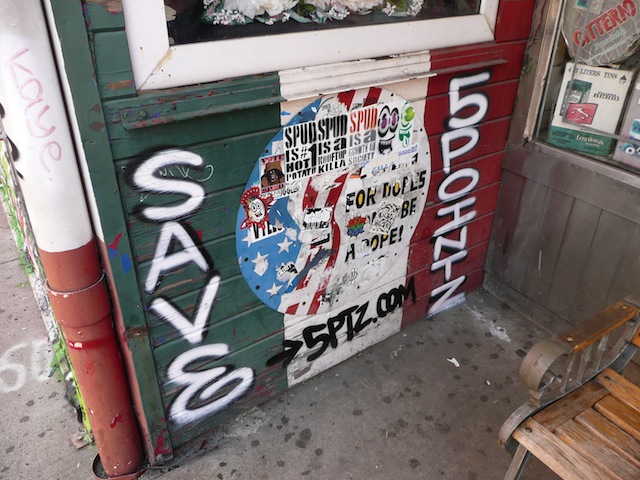
Last week Meres of 5Pointz and Spudbomb from Toronto collaborated on this piece in Little Italy, on one of The L.I.S.A. Project NYC‘s rotating walls. This was one of co-curator Wayne Rada’s ideas and I really wasn’t sure how this wall was gonna go, but I trust Meres and like that Spud took on Toronto’s mayor as a subject in his work, so I was curious. Seeing the finished product, I think the guys did a really great job. It’s a solid piece with each artist bringing their trademark characters to Little Italy and giving them a slight Italian twist. For me, what’s so fun about working on The L.I.S.A. Project is helping bring pieces like these to life. The work fits in with Little Italy, but it’s still not exactly the kind of mural you would expect to see there.

P1020340

P1020346

P1020344

Photos courtesy of The L.I.S.A. Project NYC

Labrona, Troy Lovegates and Alex Produkt… summer nights in Mtl

dereeeek_01
Labrona and Other. Photo by Labrona.

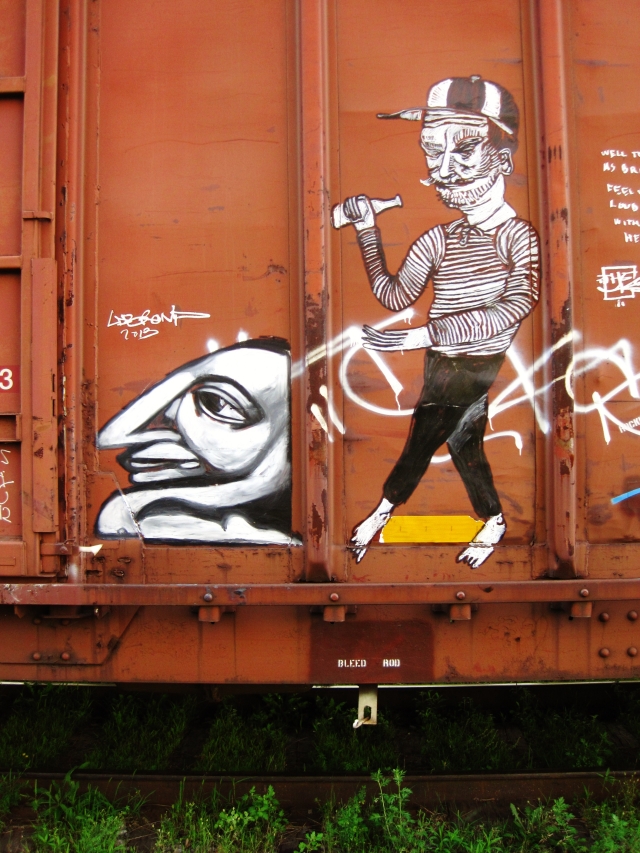
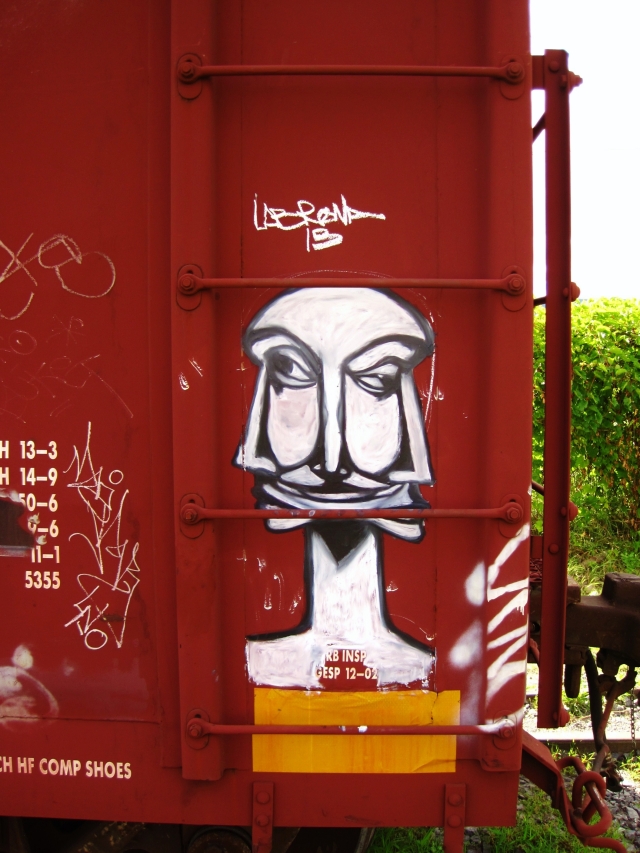
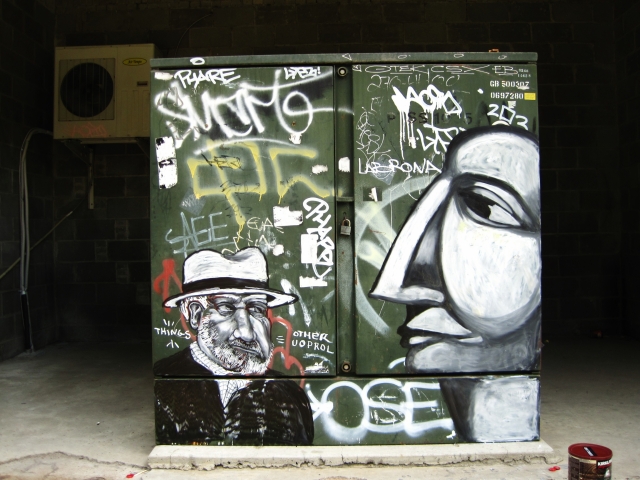
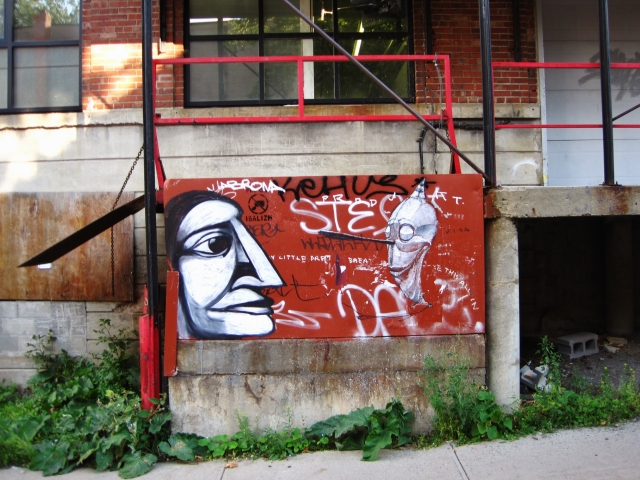
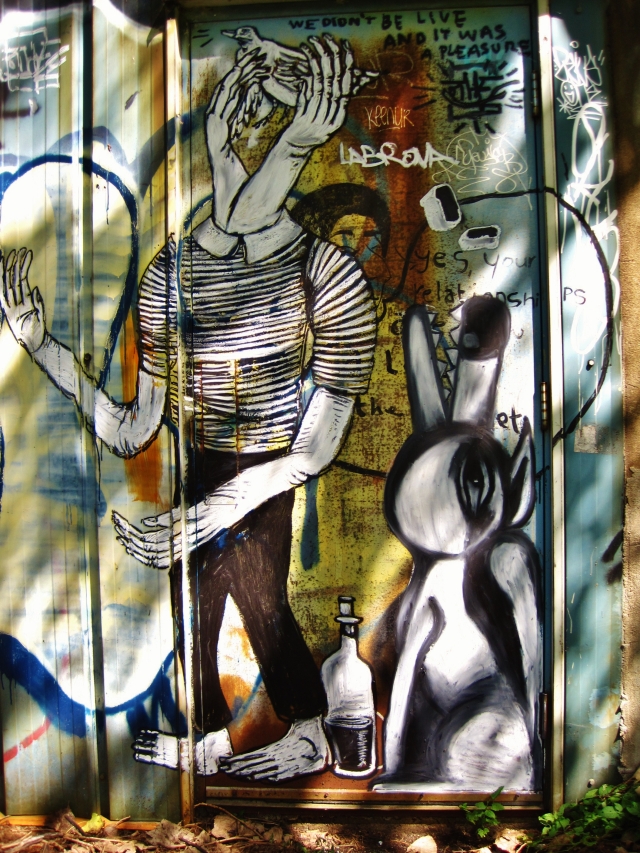
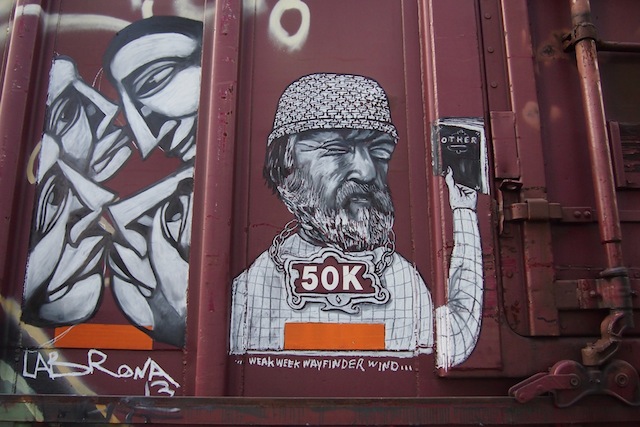
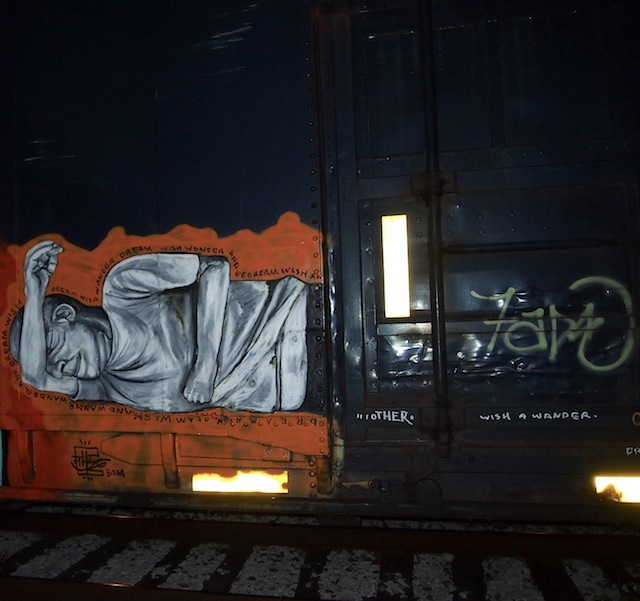
While Labrona and Troy Lovegates (aka Other) were working on some beautiful murals in Montreal this summer, they found time to escape into the lowlands of the city, to continue to express their art, night and day, despite being exhausted by all the work they were doing on their own murals! (See the mural of Troy Lovegates here, and the one Labrona is now working on at the end of this post.) It’s always amazing to be in front of a mural painted by these incredible artists, but the pleasure is the same when you are front of an illegal piece in the street. Can you feel the sweet sensations of the summer? Anyway, I do!  Meanwhile, Labrona took some breaks alone and with Alex Produkt and Troy Lovegates went out on some solo missions too… a great summer for all of them, actually.

trizz (2)_01
Labrona. Photo by Labrona.

othermtl1_01
Other and Labrona. Photo by Labrona
mtl-produkt_01
Labrona and Produkt. Photo by Labrona.
mtl-other2_01
Other and Labrona. Photo by Labrona.
Labrona and Troy Lovegates
Labrona and Other. Photo by Other.
Other. Photo by Other.

Detail of the mural Labrona is actually doing with MU in Montreal (a large ceiling in 2 parts)

mu3_01
Labrona – detail. Photo by Labrona.

Photos by Labrona and Troy Lovegates aka Other

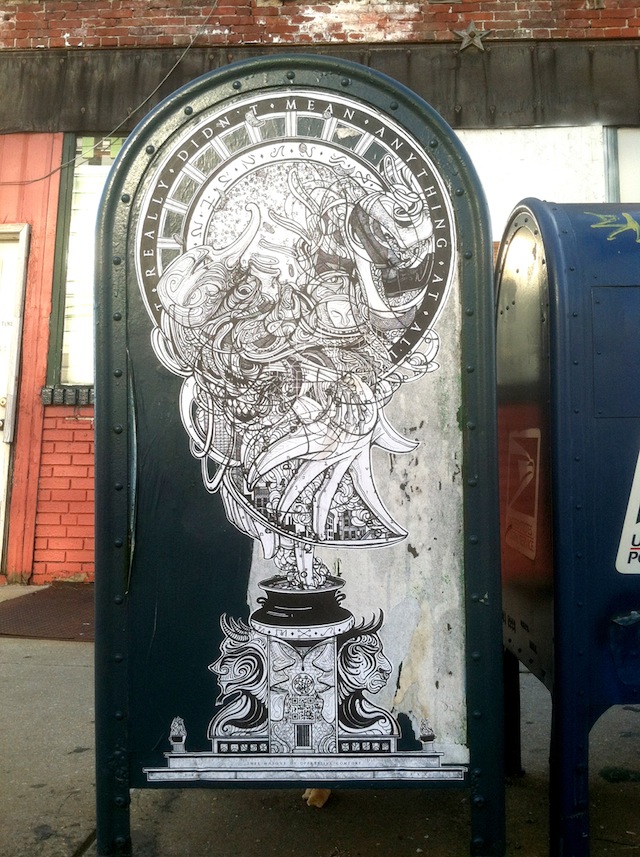
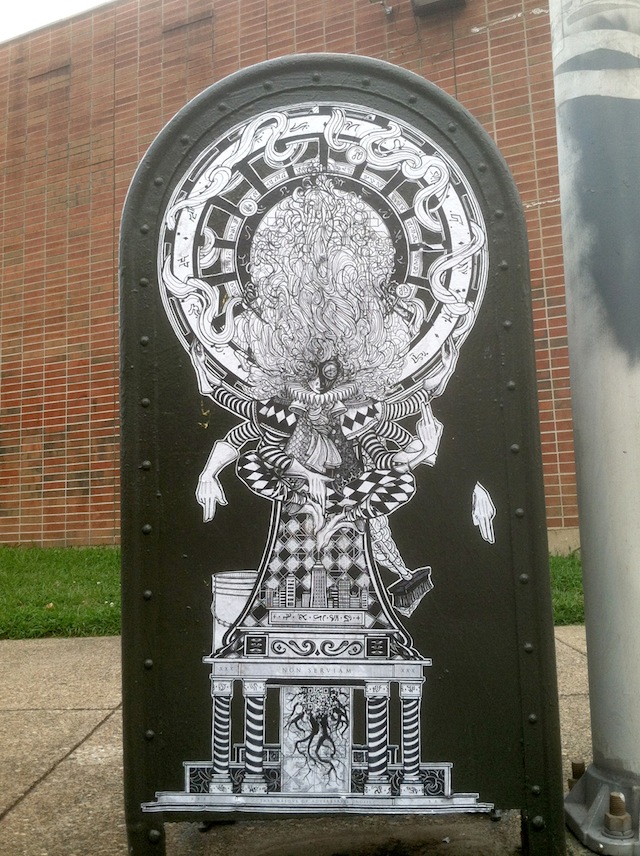
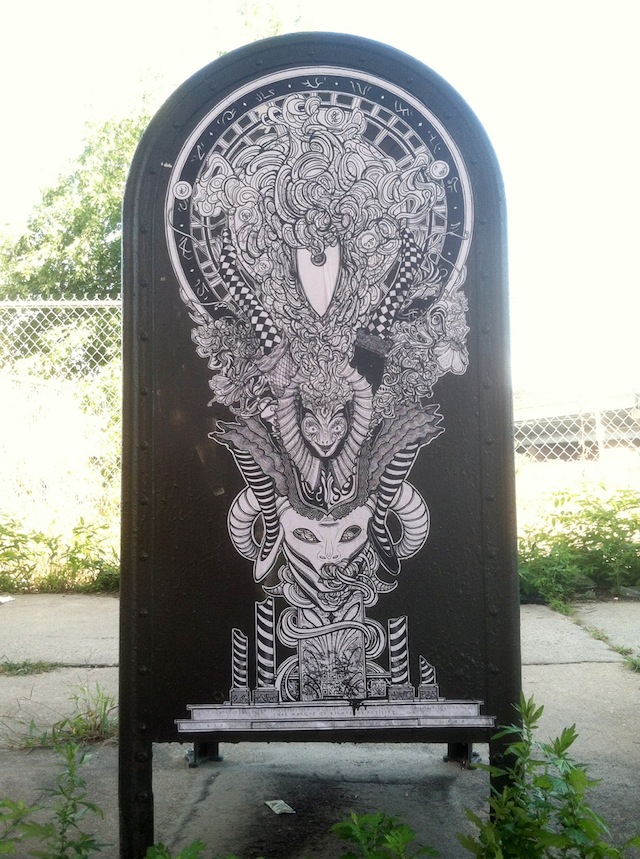
Harlequinade combines high and low tech

-2

Harlequinade recently put up these four new wheatpastes in Philadelphia. At first, they may appear to be pretty standard, although nice, wheastpastes. Which, for Philly is something a bit special since there aren’t a lot of artists doing wheatpastes, but wouldn’t really be anything of concern to the rest of the world. Harlequinade is talented, but I don’t usually find his pieces to be absolutely mindblowing. But these four wheatpastes include small QR codes. Small being the operative word. I bet you didn’t even notice the QR codes in these pieces until now that I’ve pointed out that it exists and you’ve gone up and looked specifically for them.

-4

QR codes are difficult to incorporate into street art and graffiti. Yes, these QR code stickers by KATSU were a bit clever, but typically, my thought is that just putting up a QR code is a waste of space. Most people don’t scan QR codes regularly, and they aren’t typically visually appealing. One previous exception to that was Josh Van Horne’s piece for Open Walls Baltimore. If you ignore the issue of the patchy white background (was that ever fixed?), the piece was great. The mural scanned like a QR code should and brought up a YouTube video relating to the mural, but even if you couldn’t scan it or didn’t want/know how to, the piece looked great. If it hadn’t been scanable, it would still be a solid mural. But generally what I’ve seen is more in line with what the Wall Hunters/Slumlord Watch “Slumlord Project” did. The QR codes there were somewhat useful (certainly more useful than just a link to the artist’s website or whatever else QR codes are generally used for when used in street art), but they sure didn’t improve the space visually.

And I ran into a piece yesterday in NYC that showed just how annoying QR codes can be. Apparently it’s by Pérola Bonfanti and Nicolina of The Free Art Society. I found that out because I went to their website which is listed on the piece THREE TIMES. It’s listed directly beneath the QR code. The QR code also goes to the site. And the little plastic-but-metallic-looking plaque that was next to the piece until my friend ripped it down for being stupid went to the site too. All of that isn’t great, but it also isn’t the end of the world. What is pretty lame is when sending viewers to artists’ website actually interferes with the artwork itself. These artists need a lesson from Harlequinade in how to cohesively integrate QR codes into their work. Anyway, please don’t use this as an excuse to get into these artists. I’m trying to point out how irritating, self-promotional and untalented they are. Back to the talented guy, Harlequinade…

-1

Harlequinade’s QR codes are not visually intrusive. They pretty much blend into the piece. If you see one of these wheatpastes but you don’t notice the code or you do and you don’t scan it, no problem (or if the piece gets partially buffed or tagged over and the code is unreadable). You still get half of the piece and it can still be a positive experience. But if you do choose to scan the QR code, you get an extra bonus to the piece.

-3

For the benefit of those who may come across these pieces in person, I’m not going to spoil the surprise and say exactly what these QR codes do. One of the things I really like about this piece is that you can’t experience it fully online, and the component that you can’t experience online is the high-tech component of the work.

Kudos to Harlequinade for using QR codes so well.

Photos by Harlequinade

Questioning ekg

1

Editor’s note: Today we have a guest post from Yoav Litvin, a photographer and documenter of street art and graffiti in NYC. I’m really excited for Yoav’s upcoming book which profiles 46 of New York City’s most prolific street artists. In the mean time, for more on Yoav you can follow him on Instagram or check out these interviews. – RJ Rushmore

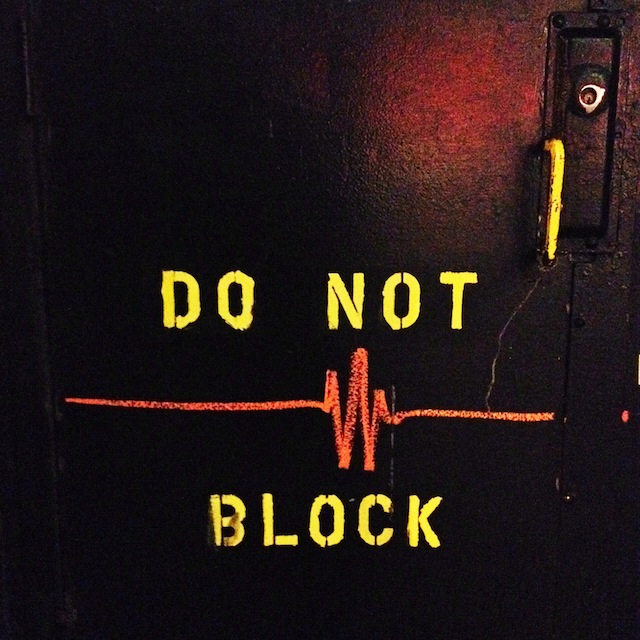
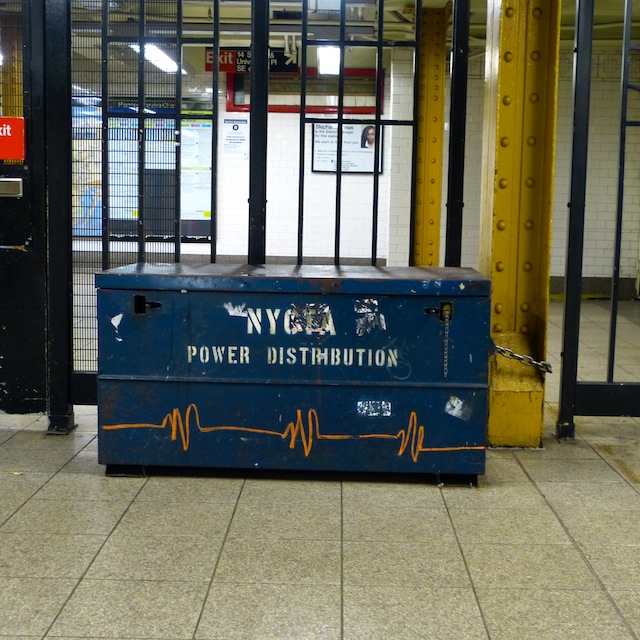
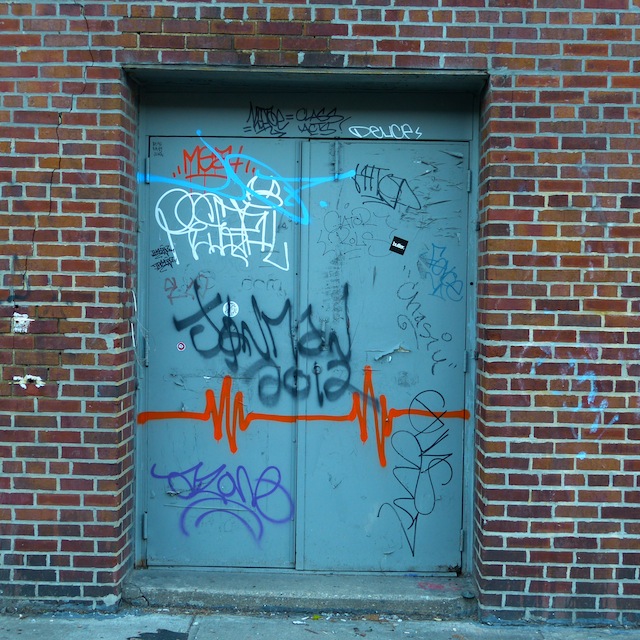
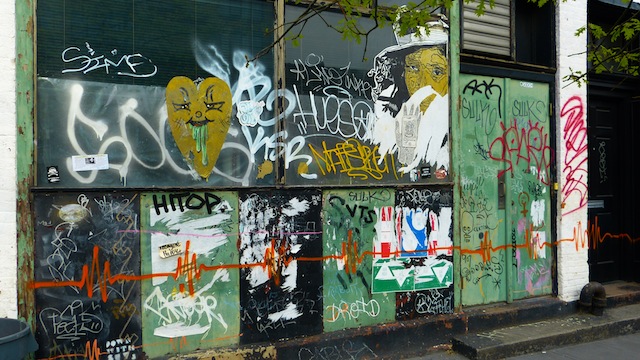
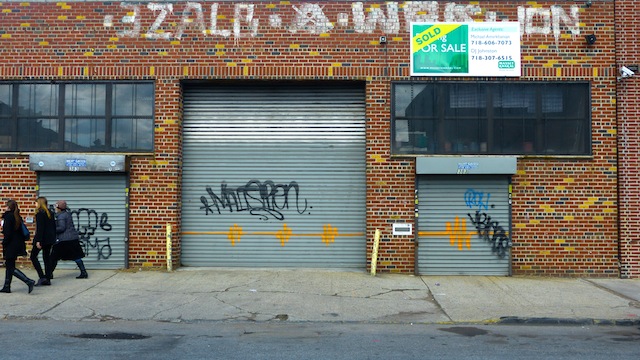
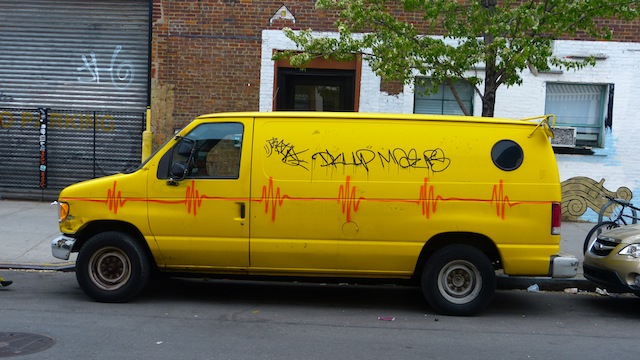
Knowingly, but most likely unknowingly, ekg is a part of every New Yorker’s life. ekg’s iconic orange symbol can be found on any surface in almost any neighborhood throughout the boroughs. ekg recently presented alongside Rubin, Hellbent, See One and Col at “Spectrum: Abstraction Through Aerosol”, a group show at Gallery Brooklyn curated by Royce Bannon. Luckily, I was able to catch up with ekg and ask some questions.

Yoav: What does the EKG symbol mean to you?

ekg: it is an illegal aesthetic manifestation first and foremost, but also contains other layers as a poetic symbol packed with a plurality of meanings: manifestations, transmissions, heartbeats, apparitions, illuminations, emanations, palpitations, resonance, signals, chimeras, missives, wraiths, pulses, blips…

i actually started doing it on the street before i was sure what to call it. at first i was thinking about it as a metaphor for visual communication on the streets, about the idea of a signal, a communicative mark, a transmission, a blip on The System’s radar, embedding Coordinates of Dissension in the matrix, occupying mental and physical space, connecting people and creating community on an alternative anti-status quo wavelength of rebellion and revolution. but when a friend hash tagged it “ekg” on her feed, it struck me that it gave the symbol another layer of meaning that was more personal and emotional. something people could connect to because it’s just a simple sign spread across the city becoming in essence a vast visual representation of the heartbeat of the city, a voice of the people, a pulse of the populace.

the following paragraph is the most precise statement i have crafted so far about illegal public marks, so i want to throw it in here. it is the intro to an essay that was published on graffuturism.com:

illegal aesthetic manifestations create connection, communication and community as they splice, transmit and mutate through the aetherial circulatory system ad infinitum. go all-city, all-universe, all-time-and-space. bomb the semiotosphere! revel in the power of the tag, the human mark, the identity avatar, the monitored action, the new millennium painterly gesture. david flinging pebbles at goliath.

it’s important to have rebellious signs present in the semiotosphere for the future of our urban environments, otherwise everything is perceived as under control, free of dissent, sedated. quantity and dispersion are crucial for the power of a tag, so I’m just constantly walking for days at a time. at one point, i started feeling like johnny appleseed sprinkling tags all over the place like seeds, hoping they take root and grow (attract other tags) not only in their physical spots but also in the consciousness of those that see them. tags are small but powerful in quantity. so if people actually notice, they start wondering what it means. especially if it’s just a simple symbol, it retains some mystery. what does it mean? why is it so important to this person to do all this work to make a public visual statement with it? any illegal public mark is an anti-status quo irruption, which is always appreciated, but if you do it enough, it can become an insurrection. One symbol can become an army. One word a manifesto.
3

Yoav: When, where and why did you start getting up?

ekg: i grew up in nyc surrounded by graff. i tagged in high school like any other rebellious artist kid just for fun and attention. but i wasn’t really cut out for it at that time due to being a somewhat reclusive introverted anxious paranoid high-strung personality type. but after gaining more life experience, becoming more comfortable in the world, and exploring some other forms of art, i returned to it in 2003 after i watched the twentieth anniversary release of Style Wars. seeing all the interviews with my heroes all grown up and just living their lives, took some of the mythological gauze off my eyes, and i realized that i could do it too at this point. this time i’ve become obsessed and driven by the movement becoming committed to it as the most powerful means of expression at the turn of the twenty-first century.
9

Yoav: How does your work interact with the diverse setting that is New York City? How does it feel tagging in other locales?

ekg: for me, going all-city is a crucial aesthetic element of being a graffiti writer or street artist. if someone sees your tag in every neighborhood, the geographic expansiveness creates a sense of omnipresence that is crucial to the power of the mark. going all-city could also be read as making the statement that you are all inclusive, not just trying to reach one kind of person or audience. going to different neighborhoods and cities is also just part of the fun. surfaces can be very different from neighborhood to neighborhood, city to city. since i don’t do any kind of public speaking or interviews, i feel like it’s one of my ways of connecting and communicating. although, i have also gotten pretty obsessed with instagram lately too lol.
6

Yoav: Your tag is all over! How do you decide where to tag?

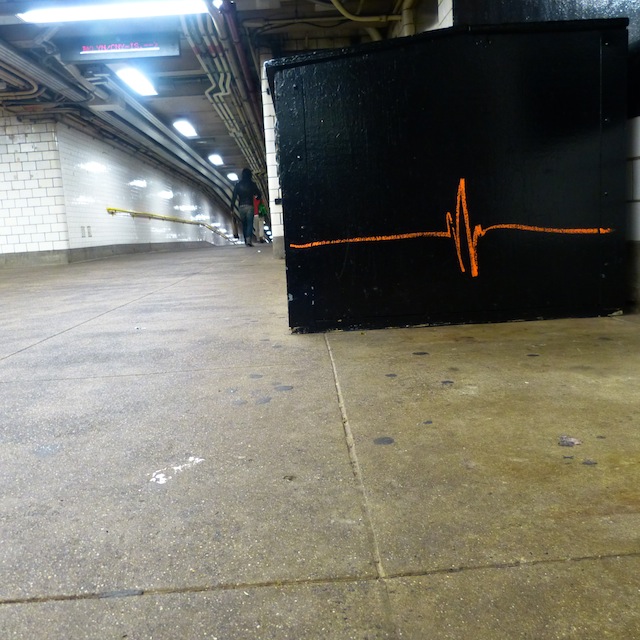
ekg: placement is crucial. because the pulse is so simple, an important part of the aesthetic is to paint it somewhere so it fits with the spot. i started out doing the pulse very low at first just because those spots are always free. but the more I did them the more i liked the placement as a metaphor for “downlow” or “underground,” which is what i consider this whole movement to be about: an anti-status quo collective of individuals who en masse speak for the alternative-minded citizens of a city. also another important aesthetic element is that the transmission lines which extend out on the left and right of the pulse imply continuation ad infinitum, hopefully giving the impression that they all connect together across the urban environment.
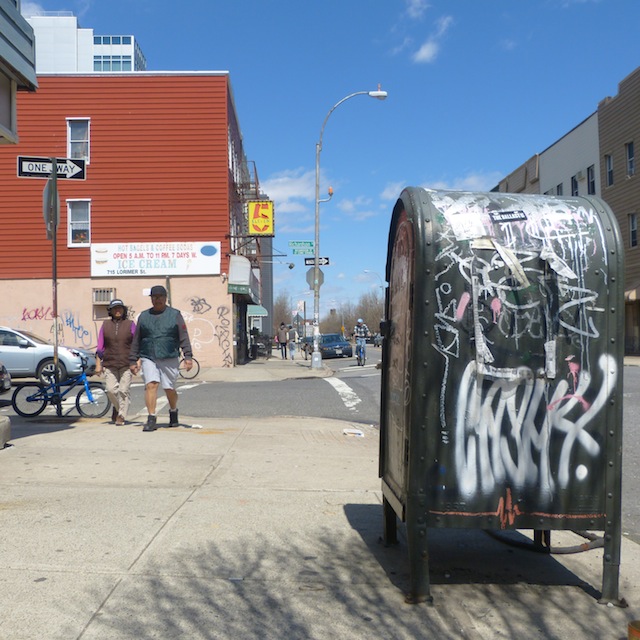
21

Yoav: What inspires you?

ekg: friends, family, graffiti, street art, heavy metal, punk, science, semiotics, philosophy, sit-coms, sci-fi, technical manuals, text books, laboratory experiments, comic books, abstract expressionism, experimental writing, visual poetry, clean simple foods, swimming. also see my fav artist list below.
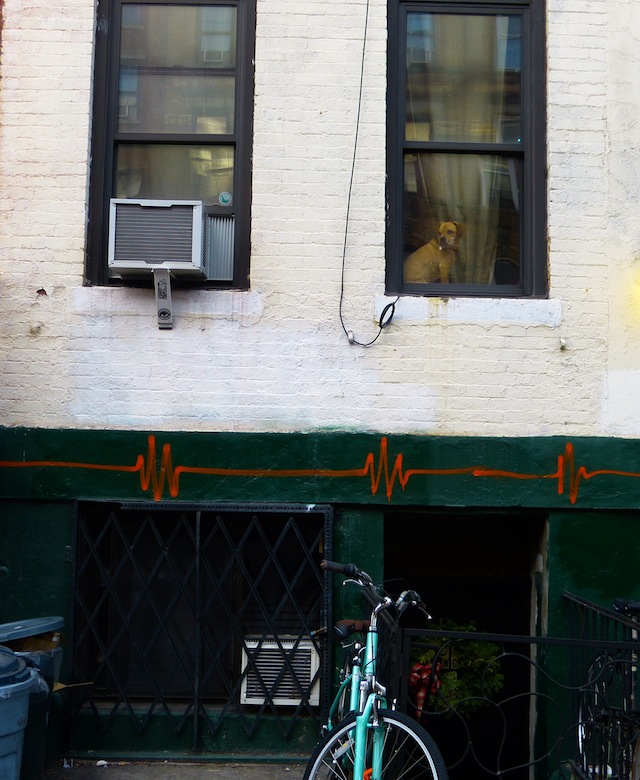
7

Yoav: How does it feel to present your work in a gallery? What were some of the challenges you faced? Any thoughts about the movement of street art and graffiti into galleries?

ekg: street has become the heart and pulse of what I do. when looked at from that vantage point, the gallery becomes merely a place for embellishment. but a gallery does offer a different kind of space for reflection and depth if used to it’s advantages. otherwise, it just becomes a store to sell product, which is important too for making a living, but a gallery can be so much more, an experience, a library, a museum. as i refine theoretical ideas about key causes, impetuses and effects of graffiti and street art, i am starting to think about different ways to apply the ideas to a gallery exhibition, rather than just hanging paintings. what are the algorithms behind the creation of graffiti? what are the core truths within the machinations of art placed on the street? how they can they be expressed in a white box environment?
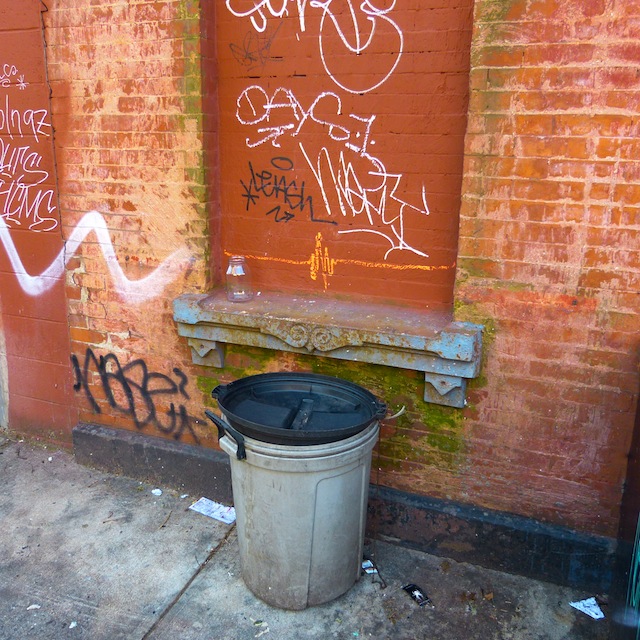
5

Yoav: Any thoughts about the graffiti/street art divide?

ekg: in every community there are sub-cultures of like-minds that band together over ideals, protocols and procedures. in the late sixties, “graffiti” kicked it all off; in the late seventies, “street art” tried to be all inclusive. but for a lot of writers it was seen as gentrification and piggybacking, so for many people the two remain exclusive. yet there are more and more crossover artists and hybridizations as time goes on. i don’t do letterforms and have no style, so that falls into the street art category. but then i mainly operate like a graffiti writer because i like to tag and spray paint more than do wheat paste or stickers. maybe there will be another term someday that can sum up the whole movement while leaving the subcultures in tact and unoffended.
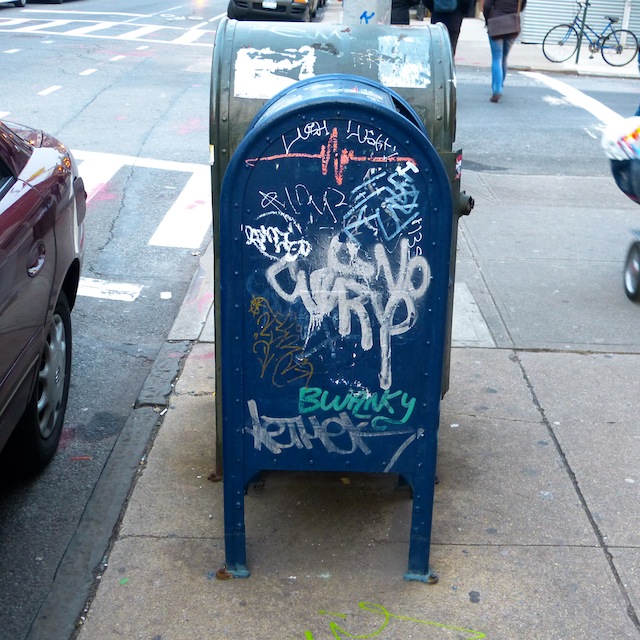
10

Yoav: Do you have a formal art education?

ekg: i was a terrible high school student. always distracted, drawing, and running around the city or just depressed and hiding out. but then did well in college. i first studied writing and literature, then painting and cartooning. i have taken a random class here and there after college, but tend to challenge myself a lot anyway without the need for outside impetus. silly things like setting a 2-hour time limit to read gary panter’s jimbo in purgatory a second time. but also just in my own expectations in terms of the depth and originality i would like to achieve in my body of work over the years. i probably would’ve loved to be a teacher of some sort, but due to pathological stage fright, i just didn’t see it as an option. unless i wanted to feel like i was being ambushed and tortured everyday.
19

Yoav: Any favorite artists?

ekg: futura, rammellzee, phase2, ee cummings, aesop rock, david lynch, gary panter, mark beyer, arshile gorky, matta, de kooning, basquiat, joel-peter witkin, jean baudrillard, tony oursler, harmony korine, harvey kurtzman, art spiegelman, david foster wallace, howard finster, melvin milky way, adolf wolfli, 907 crew, matt siren, cash4, aa crew, krt crew, ngc crew, lava 1&2, amrl, lsd-om, riff170, comet, blade, rime, os gemeos, faust, raven, sonik, freedom, zephyr, ket, ghost, noxer, espo, twist, reas, neckface, smart crew, btm crew, dick mama, choice royce, el celso, abe lincoln jr, skewville, overunder, michael alan alien, cosby, wisher, krasty, tonetank, poesia, mare139, part2, jurne, gorey, pal crew, sen4, zaone, hound, club clout, decoy, ur, stor, chef pants, atak, hert, snoeman, enrico letter, and so many more…
20

Yoav: How do you see your role as a street artist within society?

ekg: basically, i just want to continue to consistently do work on the streets and spread the word. i’m just another responsible citizen performing my role and doing my duty. the transgression of illegal aesthetic manifestations is a kind of civil disobedience, not just a misdiagnosed adolescent megalomania. we all don’t communicate in the same ways from individual to individual, but also from generation to generation. obviously this is the way we are wired in this day and age, or else it wouldn’t be the biggest movement at the turn of the new millennium.
2

Photos by Yoav Litvin
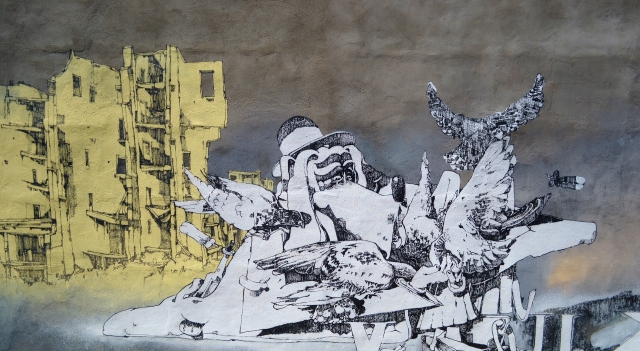
Vilx, a french artist in Montreal, Canada

DSC_0528_01
Oldog and birds. Photo by Vilx.

Vilx, Vilks, VxMu, (he goes by all of those names) is a talented French artist based in Montreal, Canada, since a few years ago. His perfect control of graffiti mediums permits him to work on multiple surfaces. Walls, trains, canvas… he is comfortable painting everywhere and feels free to express his art without any restrictions. This artist has a lot to say. You can feel it when you are in front of one of his artworks, whether it’s a commissioned mural, or an illegal piece you might be lucky to find on a freight train. So, I would prefer to let him talk about his art rather than do it myself!…

Continue reading “Vilx, a french artist in Montreal, Canada”