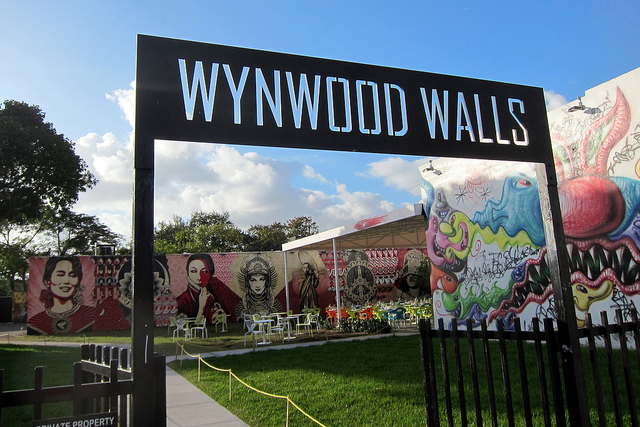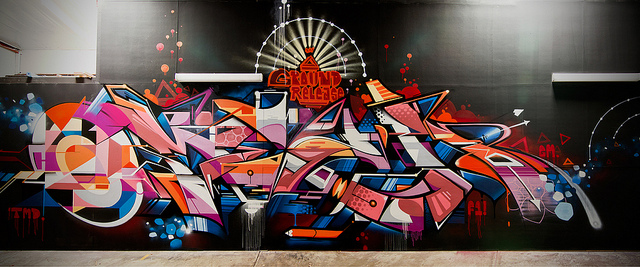
Tony Goldman, founder of Wynwood Walls, dead of heart failure at age 68

Tony Goldman was a developer and preservationist acclaimed for revitalizing neighborhoods in Miami and New York. Long after South Beach was considered past its prime, Goldman Properties turned the sleepy, moth-ridden strip into one of the most glamorous destinations in the United States. He has also been accredited with endeavors to salvage Center City Philadelphia and SOHO in New York. But what does the death and life of a great American businessman have anything to do with street art? Because Goldman’s interest in street art and graffiti late in his illustrative career has spawned some of the most prestigious and contentious mural projects in the world. One of Tony’s more recent rejuvenation projects is the Wynwood Walls compound: a museum of murals flanked by two upscale restaurants, cordoned off from the street and protected by security. This lush oasis or mausoleum, depending on your perspective, has been the beachhead for Wynwood’s transformation into an arts district fueled by the feverish energy of Art Basel Miami. In an interview with the New York Times, Tony explained that he felt Wynwood had “an urban grit that was ready to be discovered and articulated.”

This quote is perfectly representative of Street Art’s slow growth into a movement that manages to simultaneously encompass the smallest illegal act to the colossal legal wall. While the story of the avant-garde getting over and becoming the establishment is an old cycle that is endlessly vilified and reenacted, Wynwood Walls, the infamous Houston Street Wall and Goldman Properties’ recent collaboration with the Philadelphia Mural Arts Program are distinctly American approaches to mural making and Street Art. Tony Goldman not only recognized the potential in neighborhoods otherwise disregarded as blighted, but realized the exciting promise that sanctioned walls had for his properties.

Via the Miami New Times

Photo by Wallyg

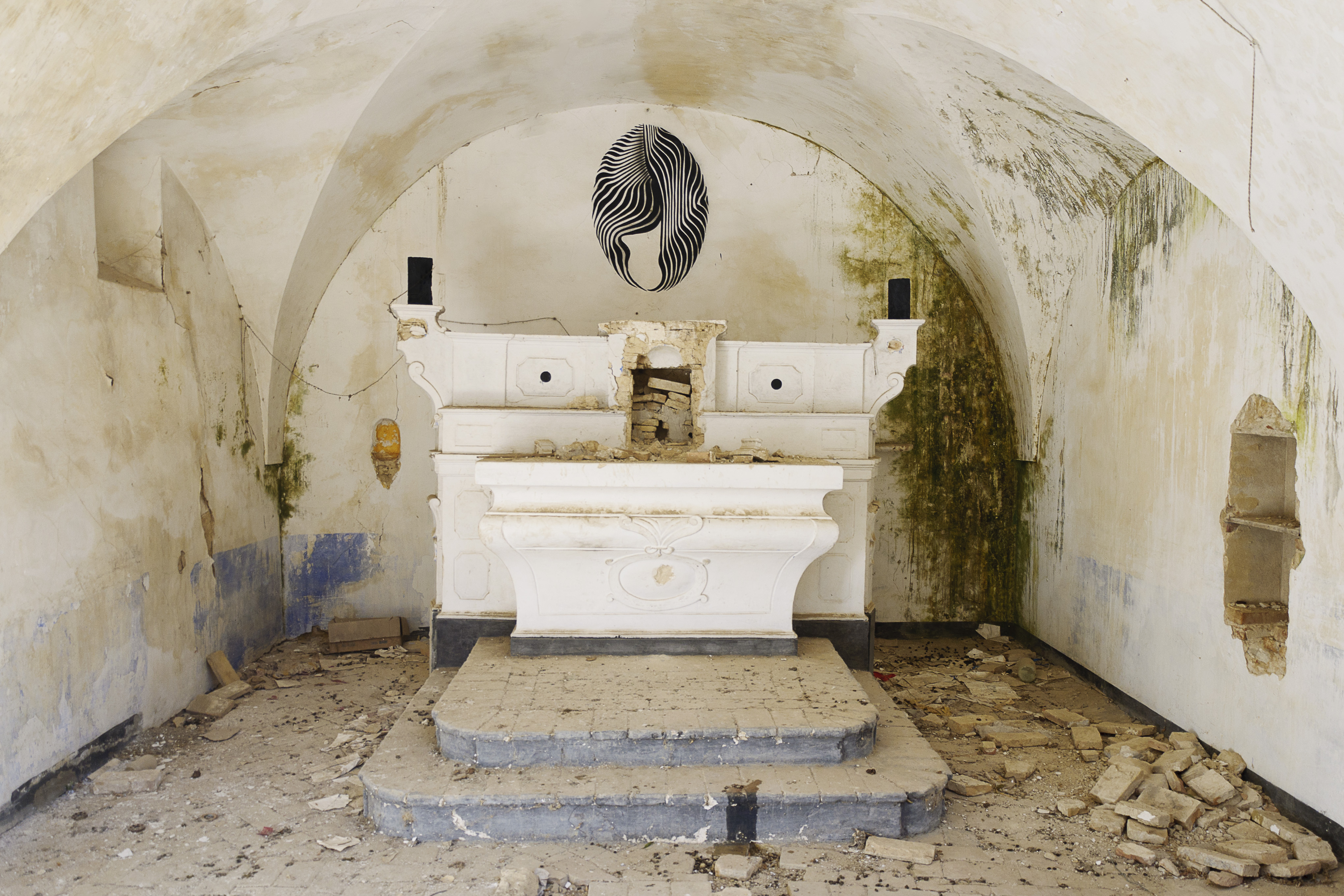
Something new from 2501

2501 in an abandoned part of Craco, Italy. Click to view large.

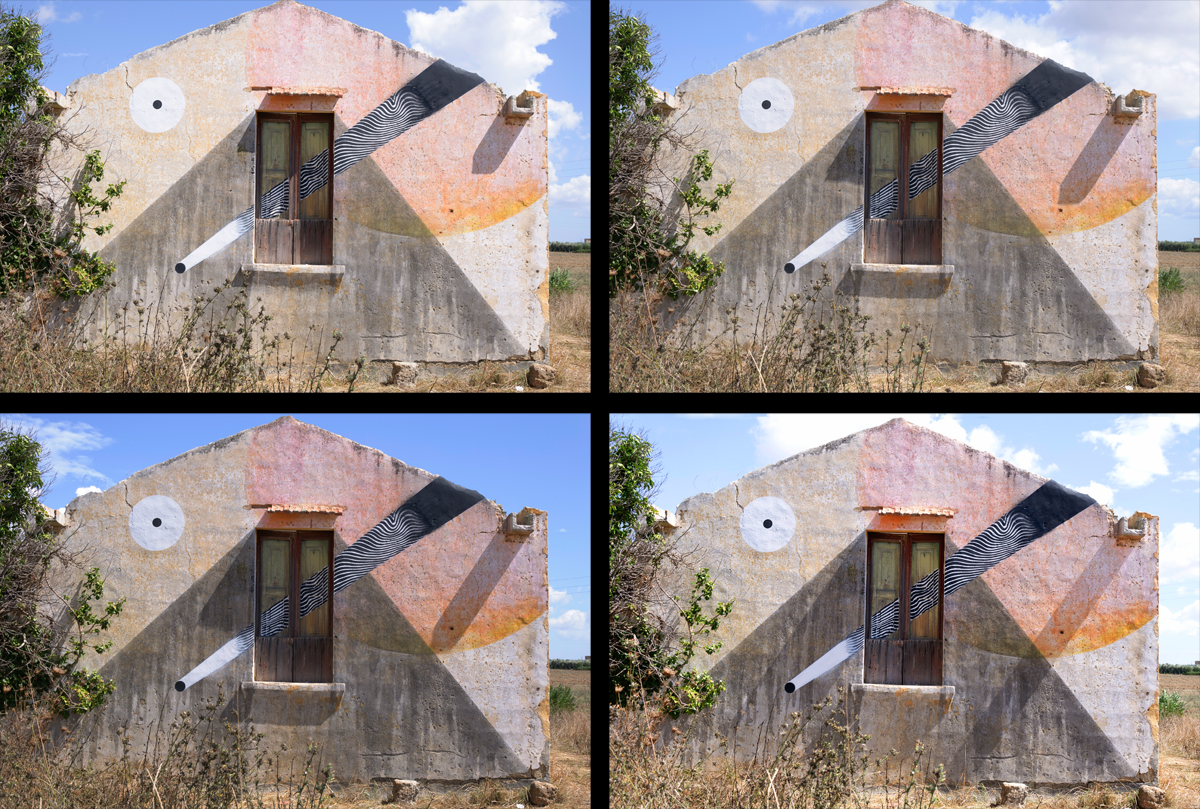
2501‘s two latest works are an interesting abstract break from the figurative work of his that’s been so popular over the past year or so. This first one is inside an abandoned church in Craco, Italy. But it’s the piece below which is really interesting. For one of the most intellectually-interesting works I’ve ever seen from 2501, he has channeled MOMO and Gordon Matta-Clark with an ever-changing abstract piece that plays with shadow. Throughout the day and the year, shadows hit the wall differently all the time, changing the overall piece with every changing shadow. Luckily, Matteo Bandiello, got some photos of the ever-shifting work.

“Dynamic Influences”. Click to see how the pieces changes of the course of a day.

Photos by Matteo Bandiello

Speaking with Chelsea gallerist Jonathan LeVine

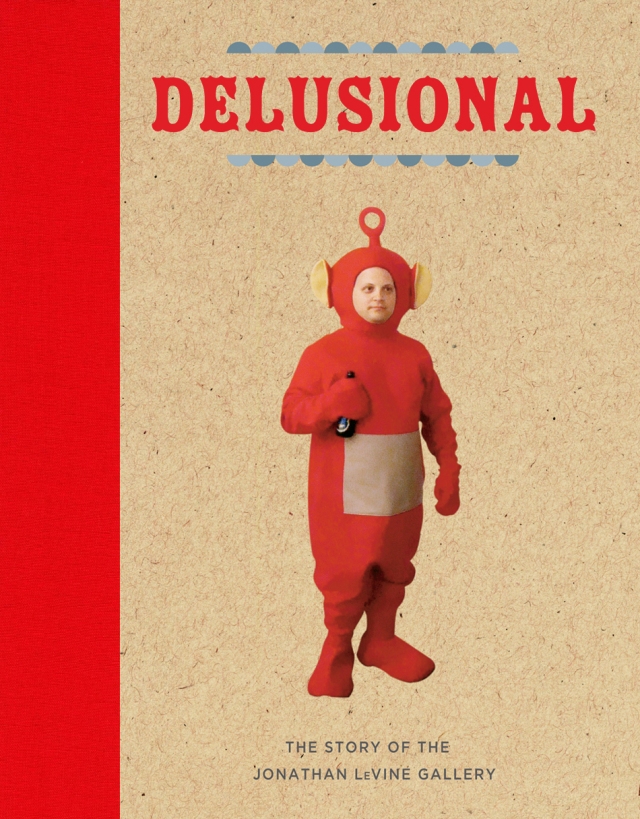
I’d always wondered about Jonathan LeVine, the self-described owner, proprietor, and head honcho of one of my favorite galleries anywhere. Curious about the roots of his passion, vision and success, I recently read Caleb Neelon’s 2011 book, Delusional: The Story of the Jonathan LeVine Gallery. Providing an intimate glimpse into not only the gallery, but into Jonathan LeVine himself, Neelon’s book, brilliantly introduced by Carlo McCormick, also features dozens of wondrous images and reminiscences by a range of artists whose work LeVine has exhibited.
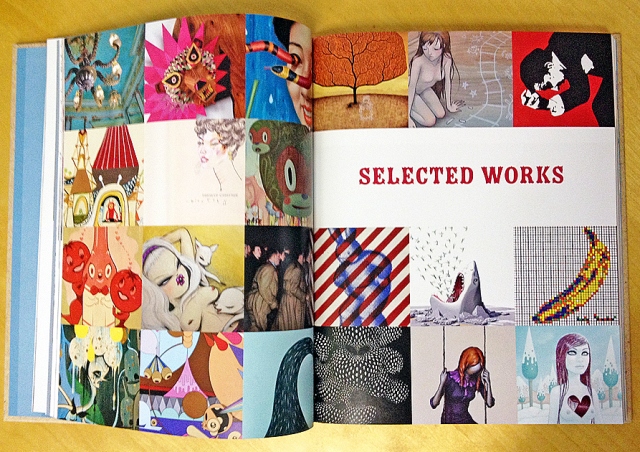
After reading the book, I had the opportunity to meet up with Jonathan and speak with him:

It’s wonderful to have someone with your passion and aesthetic sensibility sharing and promoting the art we love in a gallery in the heart of the art world. What motivated you to bring your vision and business to the Chelsea art district?

I chose New York City because it is the best platform for artists’ works to be seen. It is also the best setting to encourage artists to reach the highest level possible. An artist needs to be seen in a gallery that’s in the epicenter of it all to gain recognition and be taken seriously in the art world. That is the only reason why I’m here. If another city were as important to the success of an artist, I’d be there.

According to Delusional – the Story of the Jonathan LeVine Gallery, you were initially friends with many of the artists whose works you promote in your everyday ventures. You would also just pick up a phone and call anyone whose work spoke to you. Is that still the case? How do you consistently find and feature the work of so many first-rate artists?

It’s mostly the Internet these days.  The blogs out there – like Arrested Motion and High Fructose — make it easier for me. But I still check out bookstores. I read magazines, and I speak to people. I also look at art that is referred to me.

How did you manage to establish a collector base strong enough to support your wonderful space?

It’s a slow process. I’ve been at this for 17 years. After curating downtown in the 90’s, I opened a spot in New Hope, PA and then moved to Philly before coming here. I’ve been fortunate to attract such preeminent collectors as Nike CEO Mark Parker who began purchasing artworks from my Philly space and has continued to do so. And I aggressively use the Internet to promote business.

You describe your initial curating ventures as an “addiction” that you couldn’t walk away from. Is that still the case? How do you keep from “burning out?”

Yes, it’s still the case. I see my work as my calling. I couldn’t walk away from it even if I wanted to. I’m married to it and I often tend to take on too much. But to avoid burnout I do take necessary breaks. I travel when I can, and I always try to get sufficient sleep. I also maintain a sense of humor.

Much of the work your gallery features is rooted in pop culture, blurring the lines between pop surrealism, illustration, graphic design and fine arts. Included, too, are works by artists whose main canvas is the streets. Have you any favorite genre? Which artists – in particular – speak to you?

I love them all. I don’t like drawing distinctions among genres. I only feature artwork that I love. I see it all as contemporary art, but for lack of a more distinct term, I came up with the label, “pop pluralism.”

It was your “Streets of São Paulo” exhibit that not only introduced me to your gallery, but moved me to visit São Paulo and explore its streets. How did that come to happen?

I had come across the book Graffiti Brazil by Tristan Manco and Caleb Neelon. I was taken by the raw beauty of the Brazilian street art featured in the book, as it is quite different from what I’d seen elsewhere. I also thought it was important. I decided to visit São Paulo, and that was the first of many trips there and an ongoing relationship with São Paulo’s Choque Cultural Gallery.

What was your most memorable experience since moving your business to NYC? 

My visit to São Paulo was my most moving experience, as it was life-changing. A particular moment that stands out here in NYC involves a Shepard Fairey show that I curated back in 2007. Shepard had installed work in a space in DUMBO, Brooklyn for the opening party. I didn’t know what kind of turn-out to expect. I’ll never forget seeing a line that stretched around the block of folks waiting to gain entry to this opening event.

In his intro to Caleb Neelon’s book, Delusional – the Story of the Jonathan LeVine Gallery, the noted art critic Carlo McCormick describes you as both charming and candid! That’s a hard act! How do you manage it — as everyone seems to speak well of you!

That’s good to know! I’m a Northeasterner — honest and straightforward. I suppose that’s how I manage it. I don’t understand greed and selfishness. I have a strong work ethic that is driven by a sound morality. And I don’t compromise.

What is your greatest challenge – as there are certain to be many?

Yes, managing others — getting people to do what I want them to do – is, perhaps, the greatest challenge. And dealing with a range of personalities – involving other people’s issues, along with my own – demands extraordinary skills and patience. Conflict-management is a huge part of my job.

How have other Chelsea art dealers responded to your presence here?

At first, there was a great deal of curiosity. They seemed to be wondering, “Who is this kid?” But their question was answered when they saw me selling art.

How would you define your professional goals?

I would like my gallery to continue to grow and for the art that I exhibit to increasingly gain recognition and respect. I’d like to be a modern version of the late Leo Castelli, the influential New York art dealer who played such a huge role in promoting the works of so many groundbreaking artists.

 I meet so many folks in their 20’s who would love to be “the next Jonathan LeVine!” What advice can you offer them?

I don’t think I would recommend this line of work. It is difficult and carries a huge amount of responsibilities and pressures. I would not have chosen to be an art dealer. Folks often make assumptions about me based on my name and the kinds of people who tend to work in this field. But I was raised by a single Italian mother, and we struggled. School was always a challenge, and I disliked it. But when I found my calling, I answered it with passion, perseverance and patience. I view what I am doing as a service to others. I would advise anyone who is interested in this field to acquire basic business — as well as art — knowledge, read extensively and develop a huge network. This is not an easy business! It is demanding and challenging, and it requires tremendous resourcefulness.

What’s ahead?

I’d like the Jonathan LeVine Gallery to become one of New York City’s big blue chip galleries and gain an international presence. I’d also eventually like to have a huge storefront. That would be my next move.

Photos courtesy of the Jonathan LeVine Gallery
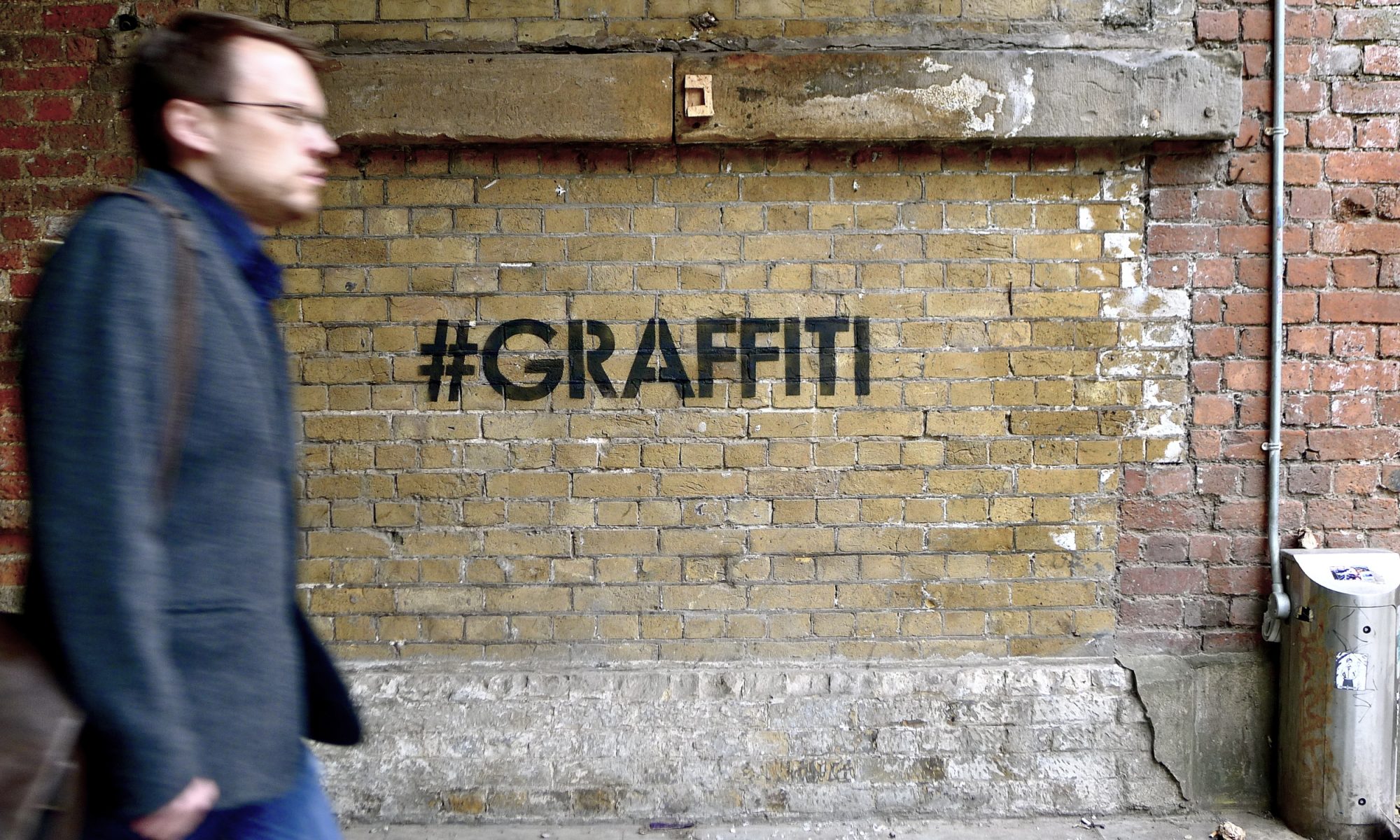
Wild Style Wednesday!

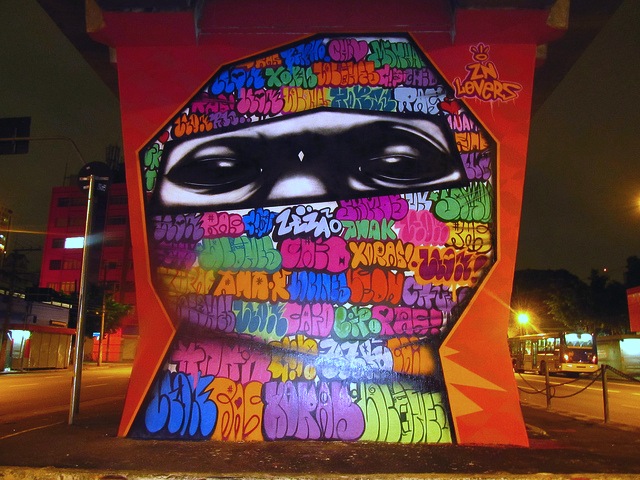
Fabah Zadok in Sao Paulo.

“Graffiti: where community and creativity connect,” said no government ever.

Roach and Retro in Sydney. Photo by Ironlak.
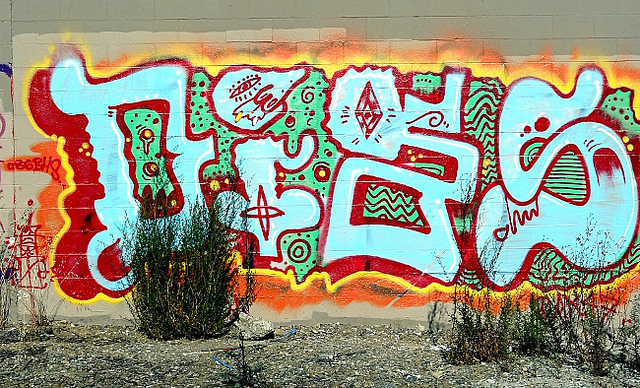
Digs in California. Photo by thesaltr.
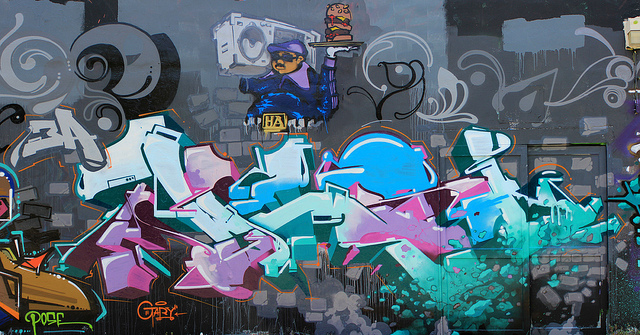
Steel Trav and Reyes in San Francisco. Photo by Heavy Artillery.
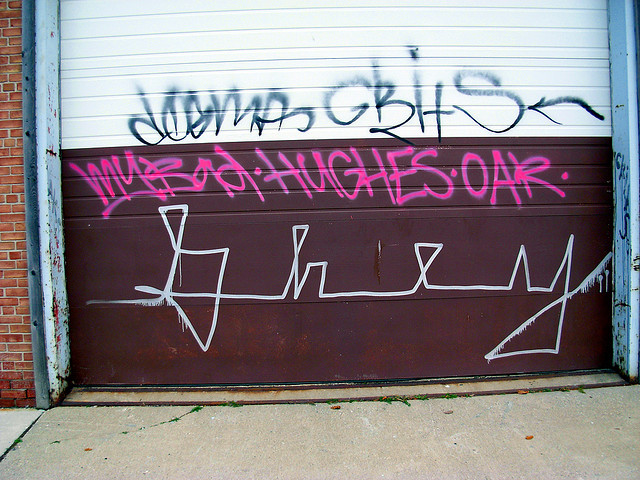
Ghey in Detroit. Photo by ExcuseMySarcasm.
Pose in Hong Kong. Photo by Ironlak.
L’atlas in Paris. Photo by Lepublicnme.
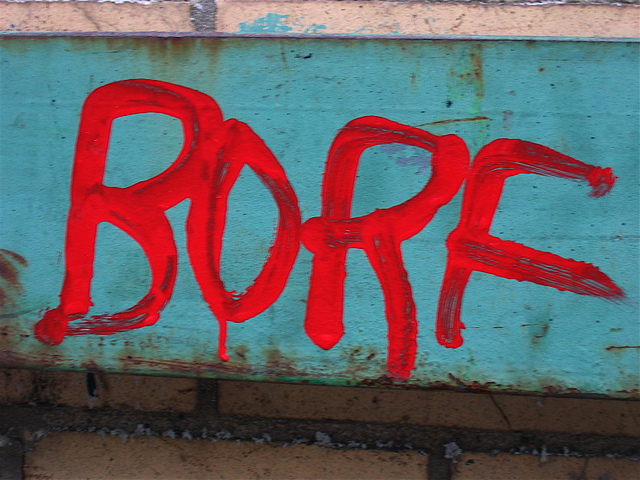
Borf in NYC. Photo by Billy Craven.
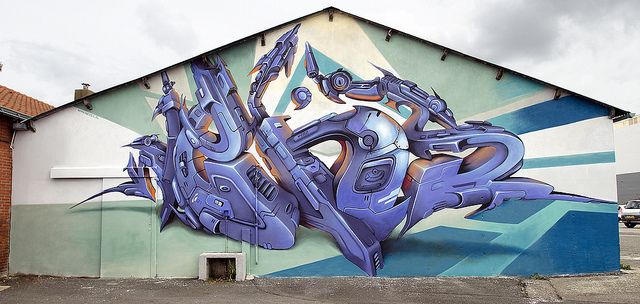
Web’s in Nantes. Photo by Startape Photographe.
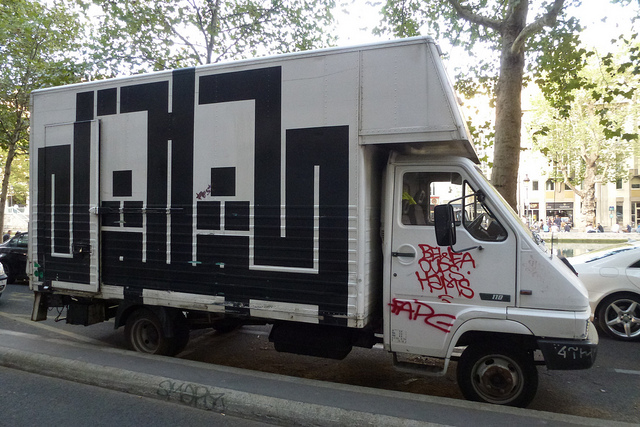
Vans the Omega in Australia. Photo by Ironlak.
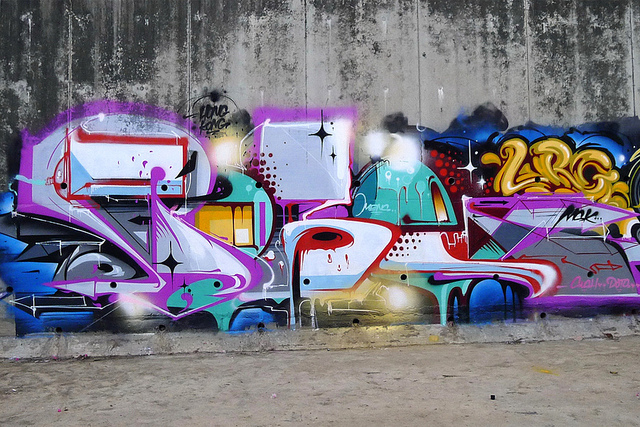
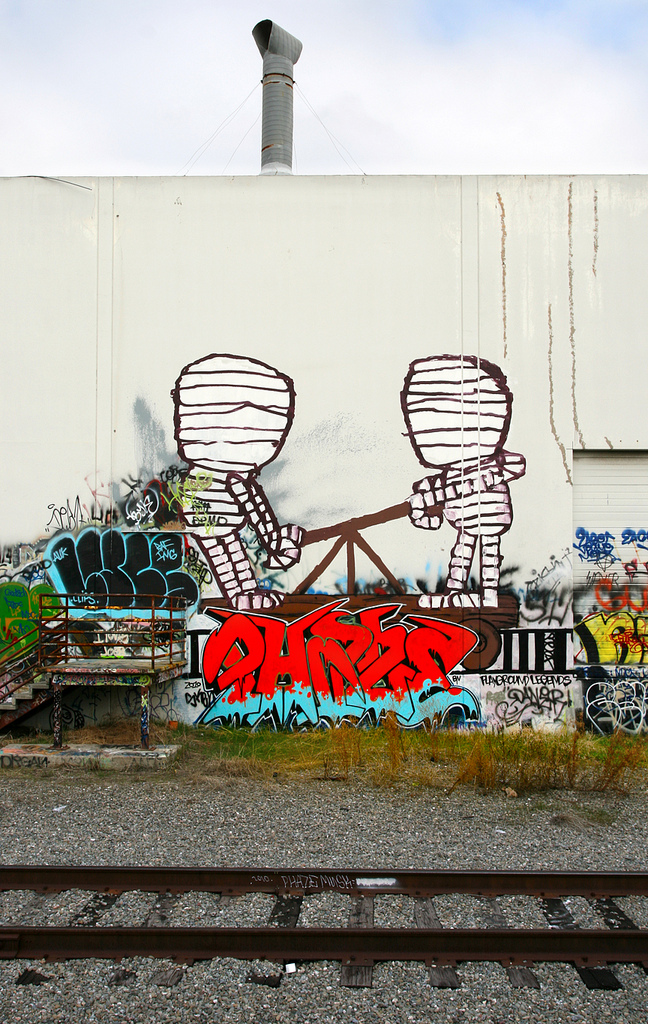
Musk and Phaze in East Bay. Photo by FunkandJazz.

Photos by Billy CravenExcuseMySarcasm, Fabah ZadokFunkandJazzHeavy ArtilleryLepublicnmeStartape Photographe and thesaltr

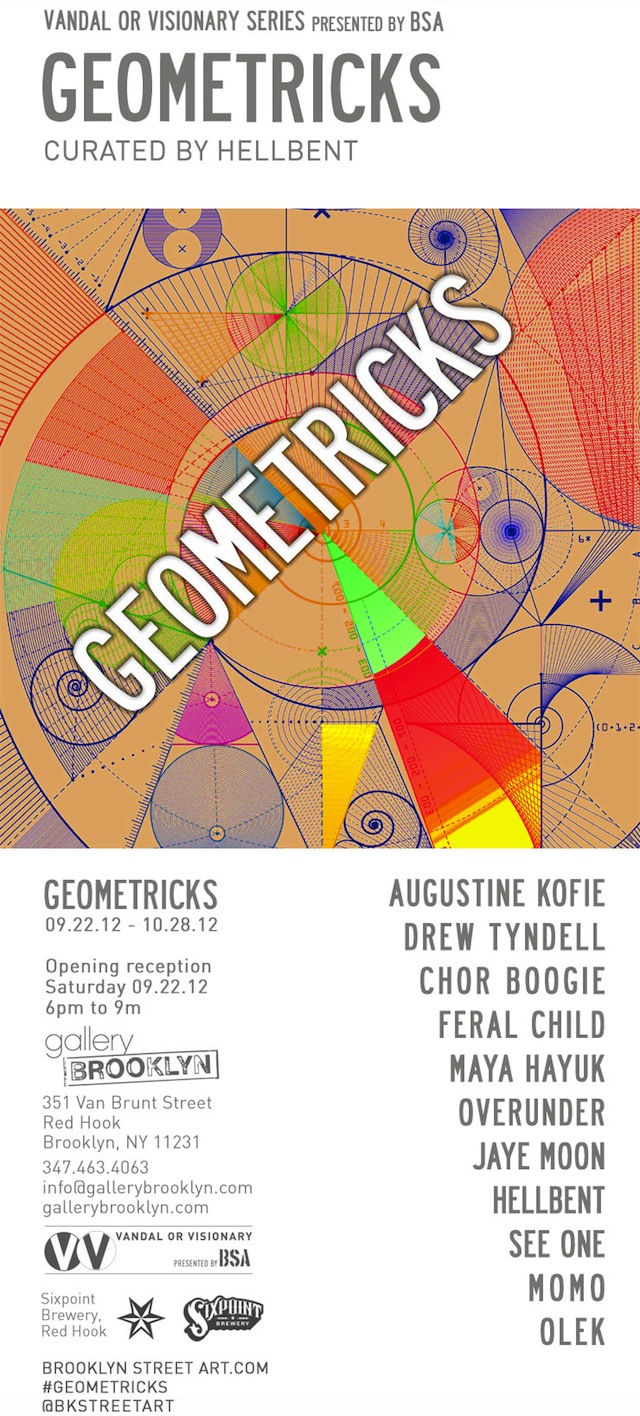
Hellbent and BSA bring you GEOMETRICKS and inexpensive art for students

Feral Child

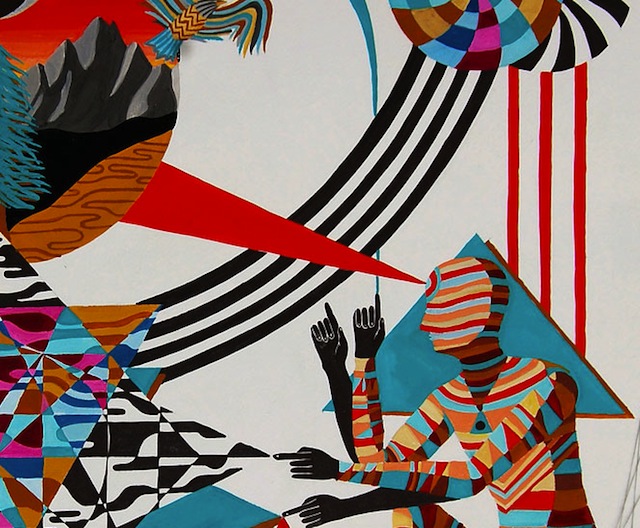
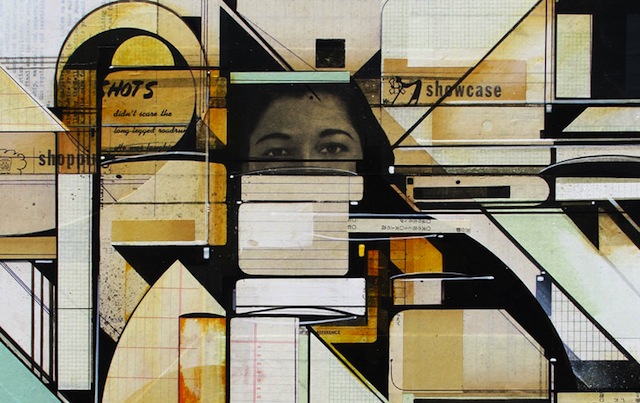
Brooklyn Street Art are going to be organizing a series of shows at Brooklyn’s new gallery, Gallery Brooklyn. Vandal or Visionary Series has kind of a cool concept, where BSA will pick a different artist to curate each show in the series. The first show in the series is GEOMETRICKS, curated by Hellbent. The artists in the show are Augustine Kofie, Chor Boogie, Drew Tyndell, Feral Child, Hellbent, Jaye Moon, Maya Hayuk, MOMO, OLEK, Overunder and See One, so between that line up and the name of the show, it’s probably pretty clear that GEOMETRICKS is about work by people in the street art community who are leaving lettering and pop art behind and including somewhat abstract shapes and patterns in their work, kind of like a street-art friendly version of graffuturism.
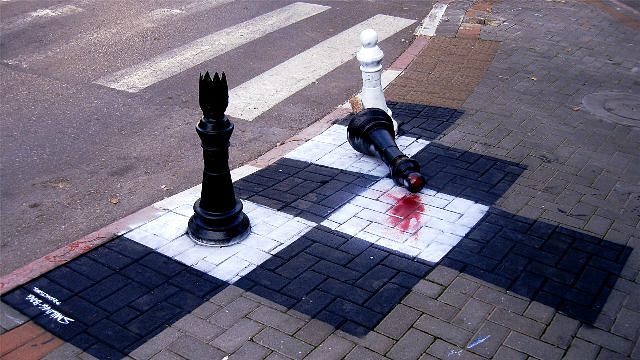
Augustine Kofie

In addition to a great line up of artists, the thing I’m most excited about with this show is that their will be one wall of the show devoted to inexpensive and discounted works for students only. The Young Collectors Wall will only have work by the GEOMETRICKS artists priced under $200, and you’ll have to show a valid student ID to purchase any of the pieces. I have to applaud BSA for this idea. It’s rare that a gallery will have quality artwork or art products available at prices that are reasonable for students. So students, get to the show early, because I’m betting that these works will be gone quickly. You might get a real steal and suddenly have the best-decorated room in your dorm.

Here’s a little invite from BSA:

You are cordially invited to have a blast in Red Hook Brooklyn with BSA Saturday Sept 22nd, where we’ll present amazing new gallery works from 11 of the best Street Artists doing abstract GEOMETRICKS on the street right now, musical jams from John Breiner, and a special Young Collectors Wall where a limited number of works by the artists in the show will be on sale under $200 for students with a current valid school ID. After GEOMETRICKS walk a few blocks to party with us at Brooklyn Crab and take the free shuttle bus back to the subway when it’s all over. It’s a cool September night in Red Hook that you don’t want to miss!

The show opens September 22nd from 6-9pm and runs through October 28th at Gallery Brooklyn (351 Van Brunt St, Red Hook, Brooklyn, NY).
Check out BSA for more info.

Photos courtesy of Brooklyn Street Art

The Street Museum of Art’s guerrilla curating in NYC

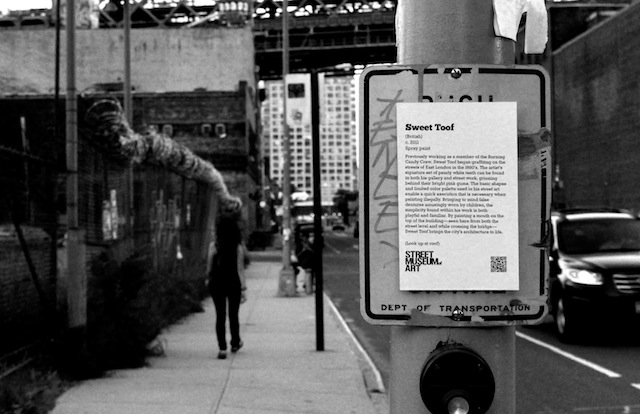
The Street Museum of Art (SMoA) has announced the debut of it’s first exhibit In Plain Sight. What that means is that some street art fan or fans have put up the outdoor equivalent to gallery wall labels in order to help identify, draw attention to and explain a few selected pieces of street art. ForIn Plain Sight, the curator(s) have included work by Sweet Toof, Faile, Gaia, JR and others.
This could really easily come across as ridiculous and cheesy, but I think the SMoA have pulled off one of the best actions demonstrating both the necessity and impossibility of displaying street art in a museum setting. On some level, wall labels for street art are absurd, but on another level they are quite useful. And rather than trying to create some sort of fake and inevitably lesser copy of the street indoors (like the installations by Neckface or Todd James, Barry McGee and Stephen Powers at Art in the Streets) or organizing murals that again emulate some of the look of street art but not the energy behind it (like the murals organized for Os Gemeos recently in Boston), the SMoA have just brought the museum to the street, as if to say “Here is the real thing. It cannot be imitated in a museum environment. But it is as valuable to our culture as what you might see in MoMA.” Maybe the SMoA will help people to see things that they haven’t before, and then maybe they’ll start noticing street art everywhere without the help of wall labels.In Plain Sight elevates street art both to make a strong statement about the art and benefit viewers. It’s like a mini version of the street art tours that Stephanie and I have offered in London, but free and self-guided. Great stuff.

The one disappointing thing I have found about In Plain Sight is that it takes place in Williamsburg. Of course there is a lot of great street art there, but I think a lot higher proportion of Williamsburg residents are probably aware of street art already. But hey, even a jaded hipster might be willing to learn something new about Sweet Toof if the text is right in front of her.

I’m curious to see what the SMoA does next.

Also, I’d like to compare what the SMoA is doing to what some street artists in Australia did last weekend.

The artist CDH organized a “Trojan petition” where a group of street artists petitioned the city of Melbourne and the government of Victoria because of unfair graffiti laws in Victoria. The petition was delivered as part of an installation to which 20 street artists had contributed artwork which surrounded the text of the petition. Essentially, these artists say that the laws regarding being found with spraypaint or markers on your person are unfair as they reverse the burden of proof to a presumption of guilt instead of innocence (this seems true), and that property owners who do not take care of their property effectively give permission for artists to paint it (an interesting argument). But they delivered this petition in a really weird way by dropping it outside of a major museum and, for some reason I don’t quite understand, seem to pit museums against street artists even though museums in Australia have been some of the strongest allies of street artists over the last few years (the petition states “Melbourne’s street art is consistently ranked among the top in the world [1-6], unlike any of Australia’s fine art institutions.”). The National Gallery of Victoria, where the petition was delivered, has actually decided to display the work until Friday. So, the gallery where the petition was delivered seems to support the street artists…
There’s more info and a more positive view of the petition over at Invurt, and I think Luke may be writing something about it as well in the coming days for Vandalog. But I just thought I’d bring up that comparison of two groups almost simultaneously trying to make a point about the legitimacy of street art as art that should be appreciated by people and supported by the state or institutions, and making that point in two very different ways. The Trojan petition seems to take a very negative approach and the SMoA takes a very positive approach. Which one do you like better? Although I can enjoy anger from time to time, I think SMoA made similar points a hell of a lot better by staying positive and improving the streets.

Photos courtesy of the Street Museum of Art

Overunder and Labrona up in Chicago

Overunder and Labrona. Photo courtesy of Pawn Works. Click to view large.

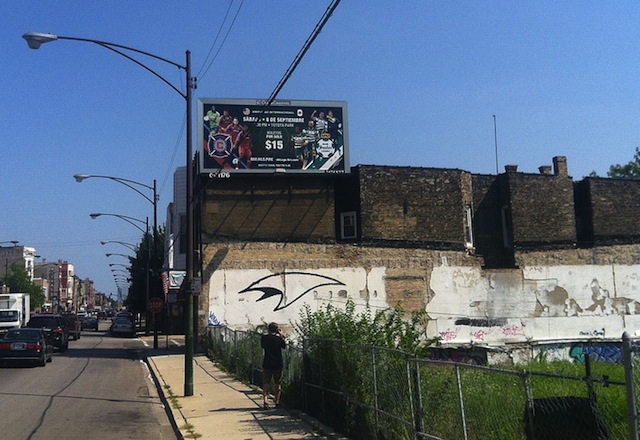
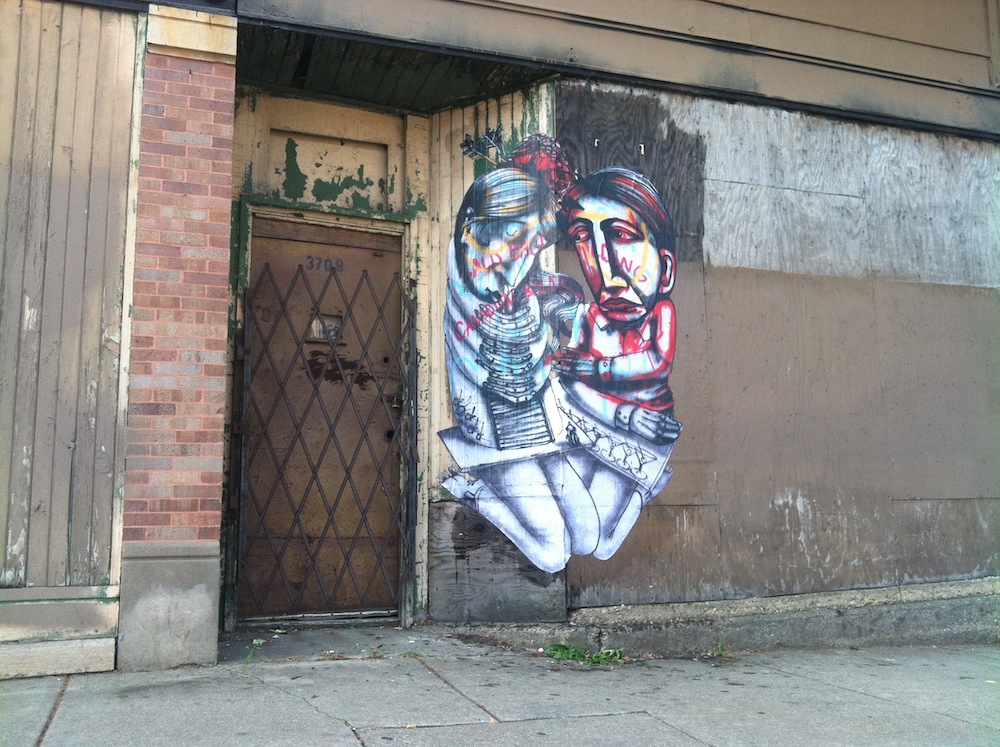
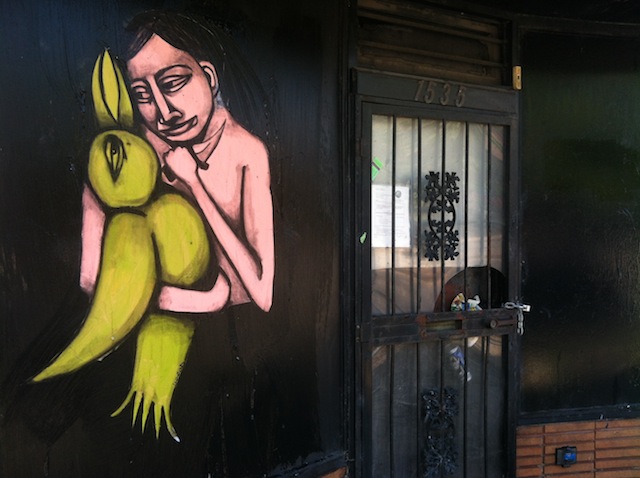
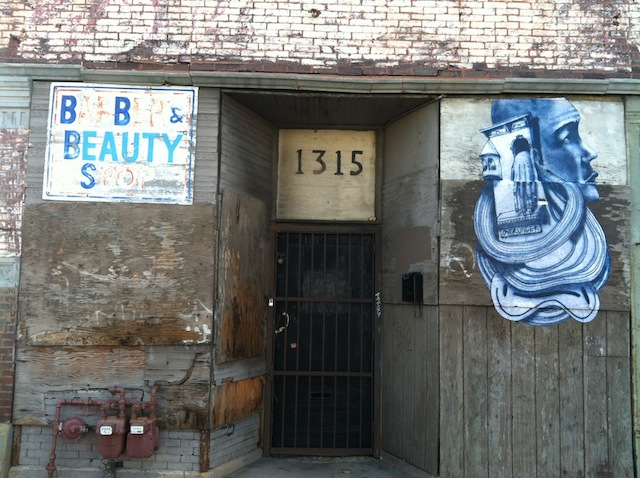
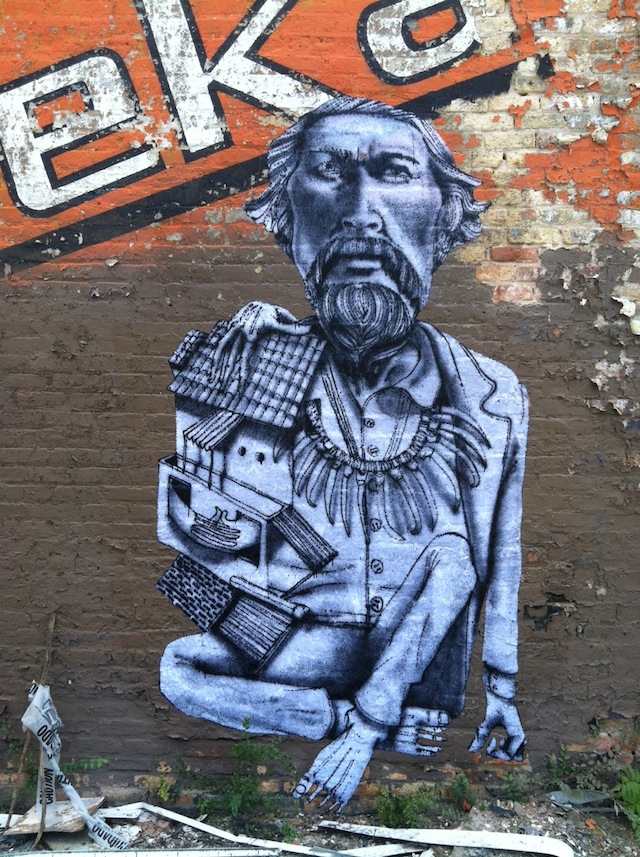
Overunder and Labrona were recently in Chicago for a mural project with Pawn Works (more info on that side of their trip soon), but they also had some fun installing less sanctioned work while in town. Here are a few of the pieces they put up:

Overunder. Photo by Overunder.
Overunder and Labrona. Photo courtesy of Pawn Works. Click to view large.
Labrona. Photo courtesy of Pawn Works.
Overunder. Photo courtesy of Pawn Works. Click to view large.
Overunder. Photo courtesy of Pawn Works.

Photos courtesy of Pawn Works and by Overunder

Dover.D: from Tel Aviv to NYC

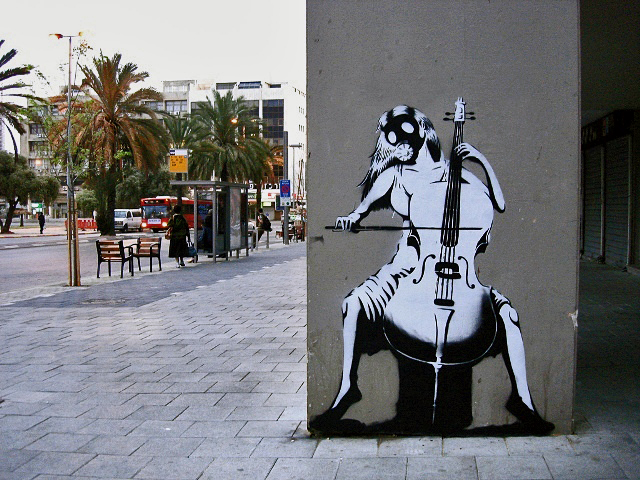
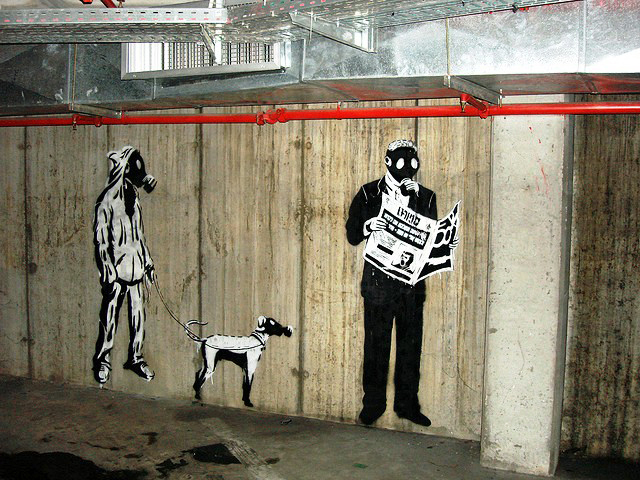
Back in 2007, Dover.D‘s stencils of gas-masked characters in a range of poses began to surface in Tel Aviv. While most of the street art back then was confined to South Tel Aviv’s industrial district, Dover.D’s’s work often landed in the center of town.

Within the next two years, he became identified with a range of urban interventions, and his street art images became increasingly diverse.

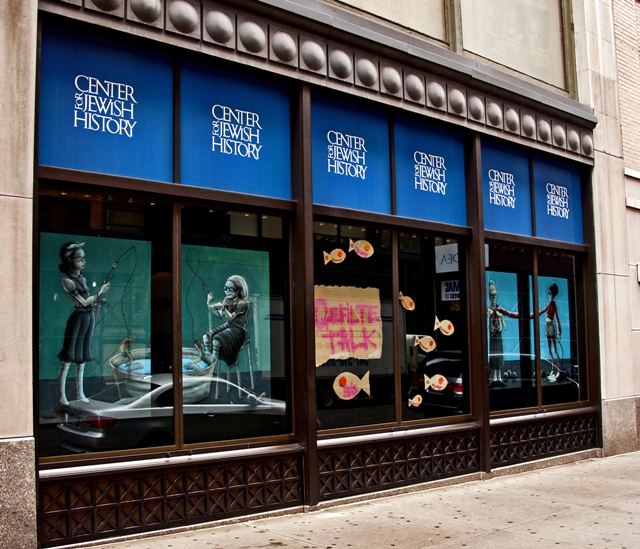
Here in New York City, he recently completed a window installation for the Center for Jewish History on W. 16th Street.

Walls are next!

Photos courtesy Dover.D