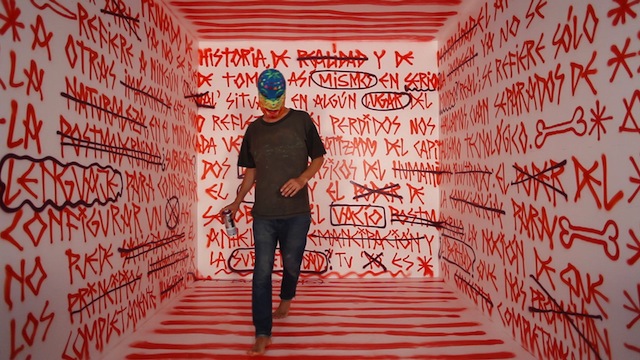
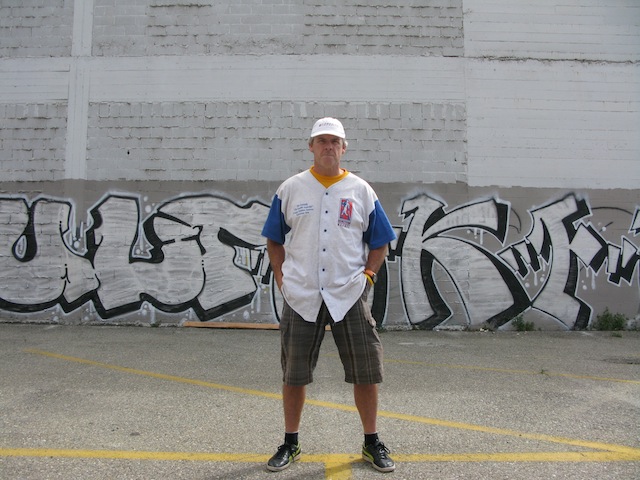
Barcelona’s Zosen has a new video out called La catástrofe del postmodernismo or The catastrophe of postmodernism. In case you can’t read Spanish, here’s the English version of the John Zerzan quote he’s writing on the walls in this video:
Demoralized, derealized, dehistoricized: art that can no longer take itself seriously. The image no longer refers primarily to some `original’, situated elsewhere in the `real’ world; it increasingly refers only to other images. In this way it reflects how lost we are, how removed from nature, in the ever more mediated world of technological capitalism.
Postmodernism subverts two of the over-arching tenets of Enlightenment humanism: the power of language to shape the world and the power of consciousness to shape a self. Thus we have the postmodernist void, the general notion that the yearning for emancipation and freedom promised by humanist principles of subjectivity cannot be satisfied. Pm views the self as a linguistic convention; as William Burroughs put it, “Your `I’ is a completely illusory concept.”
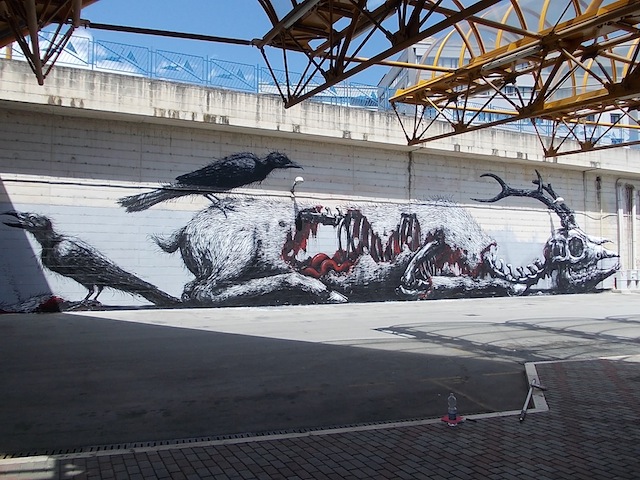
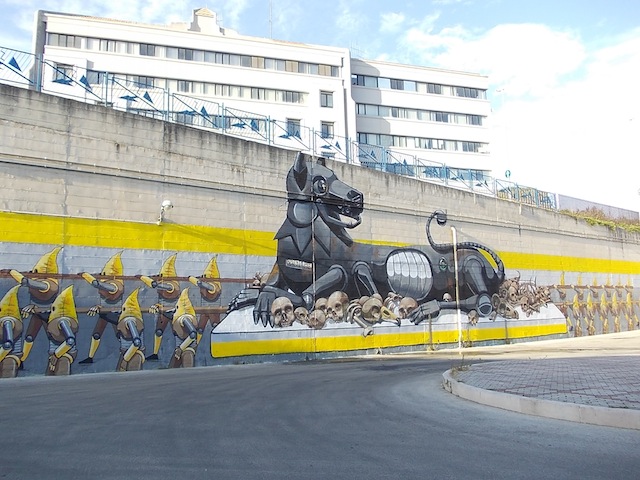
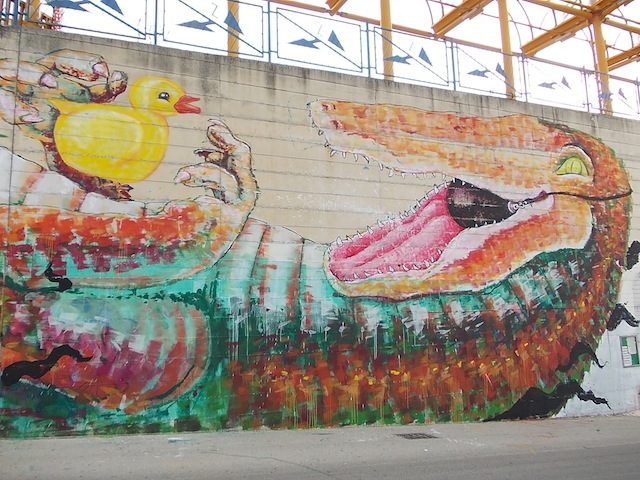
Roa, Pin, Pixelpancho and Blu are some of the first arrivals painting at the Draw The Line festival in Campobasso, Italy. All in all, over 100 artists will participate in the festival, which officially launches in September. In the mean time, artists are coming by to paint. There was some initial controversy about Blu’s piece, but that has since settled down.
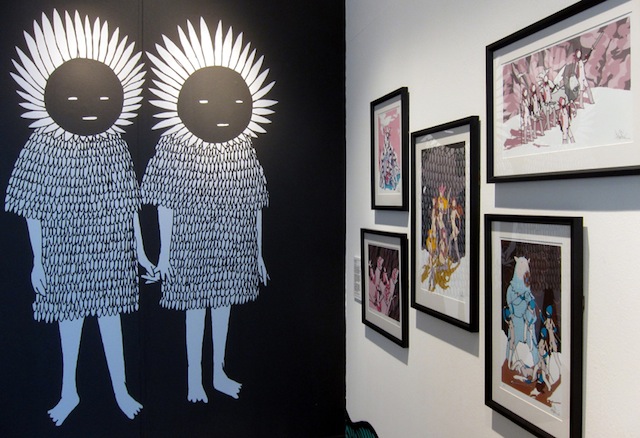
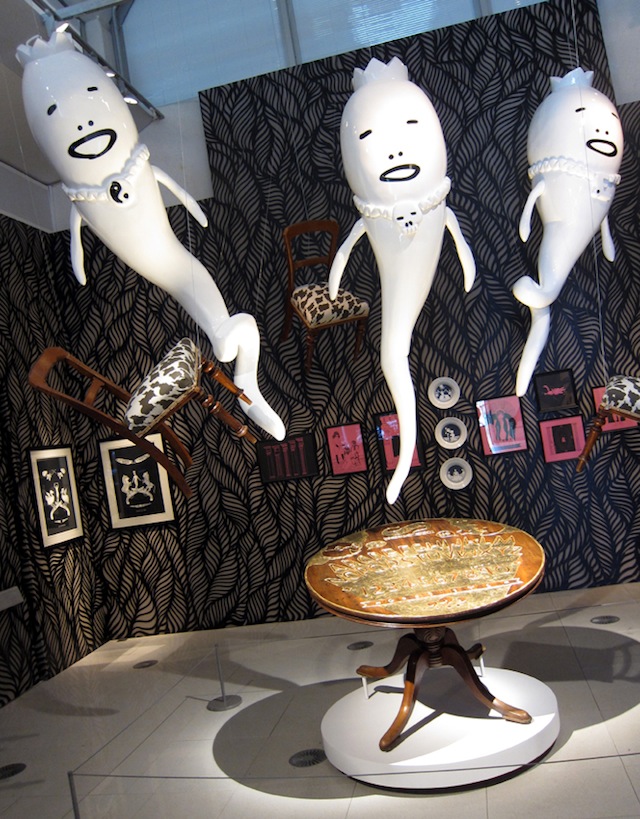
Kid Acne‘s solo show at Museums Sheffield, Kill Your Darlings, opened last week. I haven’t made it up yet, but I’m definitely hoping to. It looks like a must-see show for Kid Acne fans. Not much particularly new or surprising, but all the classics from Kid Acne are there. Check it out…
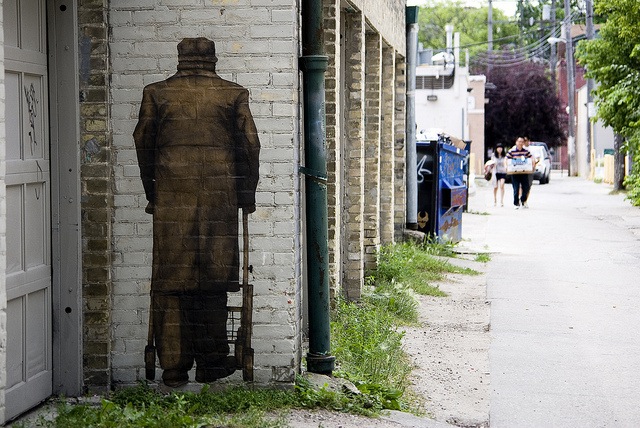
Thanks to Winnipeg Street Art, I’ve just found out about Flak, a street artist doing some beautiful wheatpastes in Winnipeg. Sort of like Armsrock’s wheatpastes.
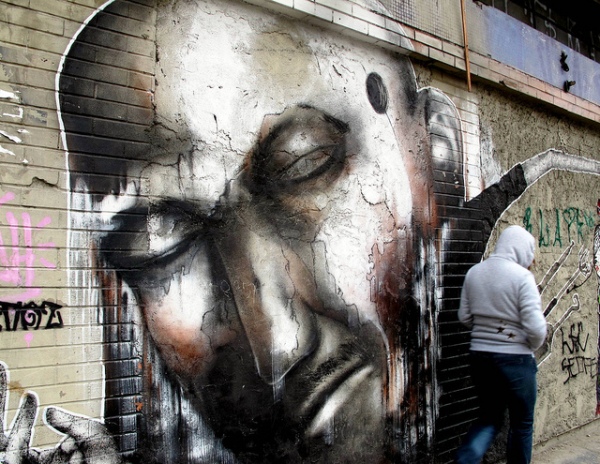
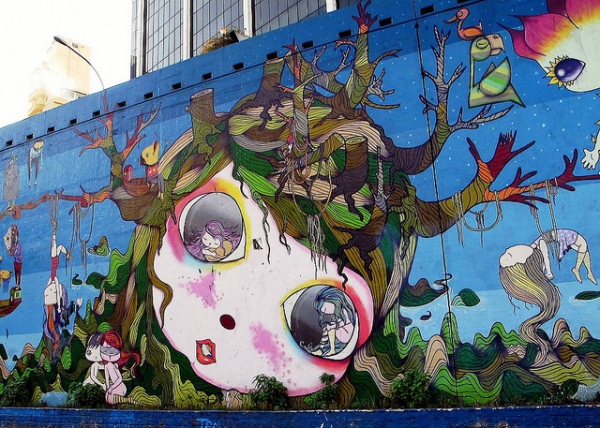
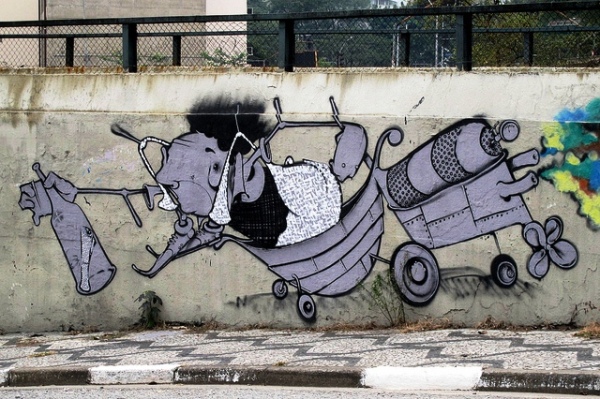
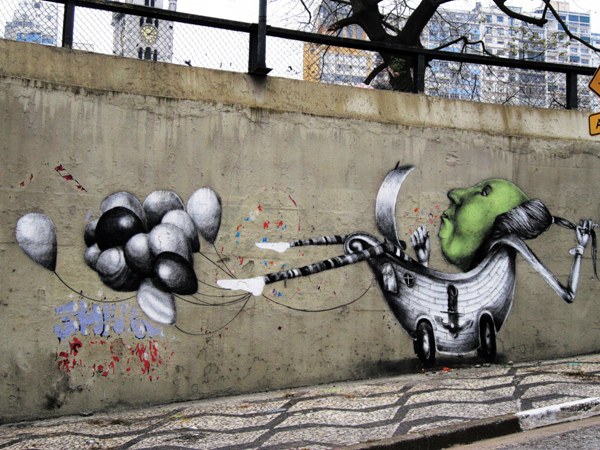
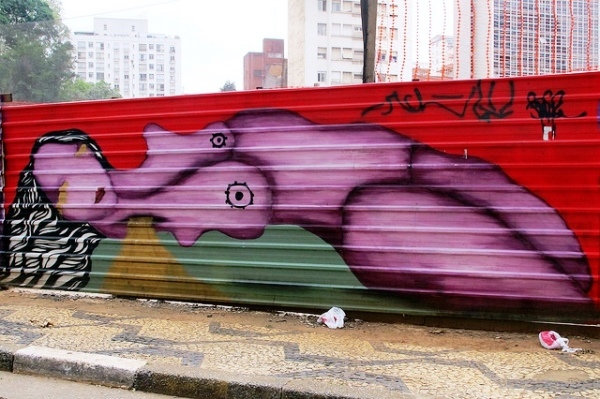
While in São Paulo and now while reviewing my photos, I’m struck by the incredible array of faces that surface on the walls of this amazing city. They range from the dream-like poetic to the weirdly surreal. Here’s a sampling:
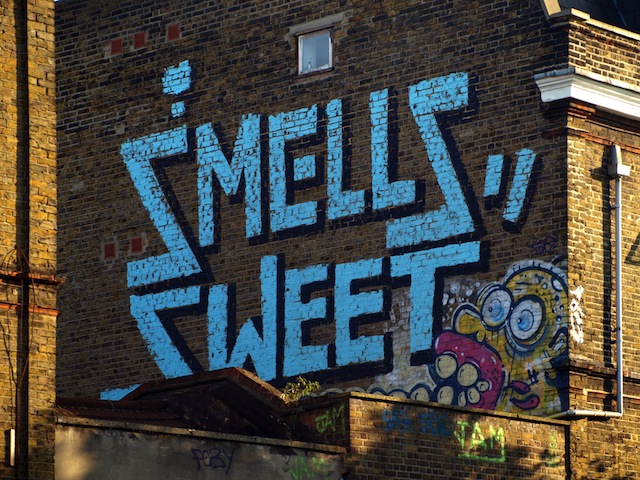
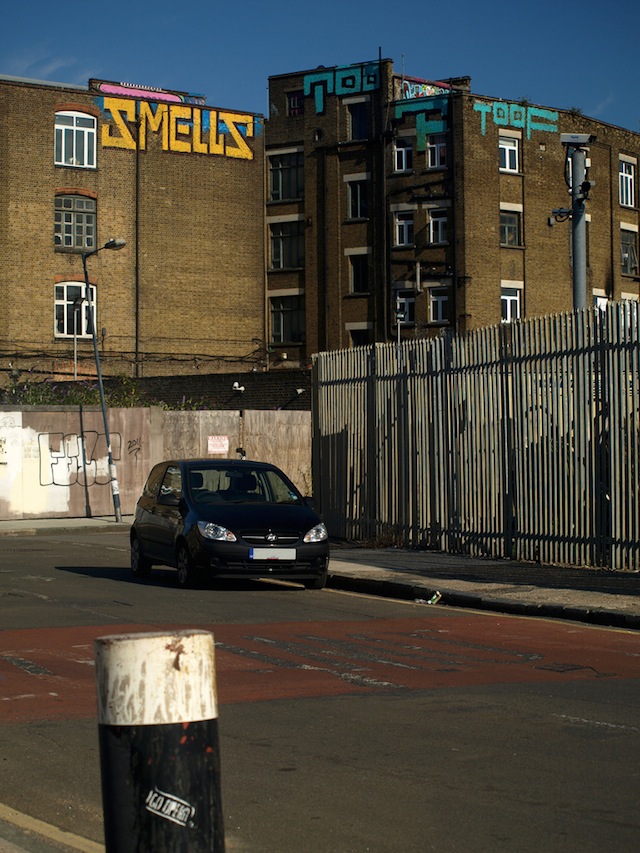
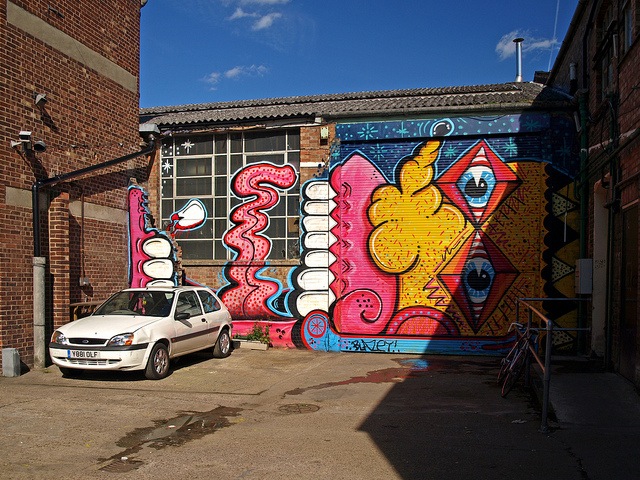
There are a couple new collaborations involving Sweet Toof to share today. Two with American writer Smells and one with Paul Insect. I’ve got to say, Smells has to be one the best writing names there is. Also Screw. That’s a good one as well. Because they work so well in tandem with other writers. Anyway, here’s the work:
Smells and Sweet ToofPaul Insect and Sweet ToofPaul Insect and Sweet Toof
And while I’m on the topic of an artist that some people think I blog about a bit too much, I might as well mention that occasional Sweet Toof collaborator Malarkyhasbeenverybusylately.
Ranging from the playful to the mournful, the cast of characters gracing the walls of São Paulo always intrigues. Here’s a sampling:
Onesto, photo by Lois StavskyRicardo AKN, photo by Lois StavskyEthos, photo by Sara MozesonSinhá, photo by Lois StavskyNove, photo by Lois StavskyMagrella, photo by Lois Stavsky
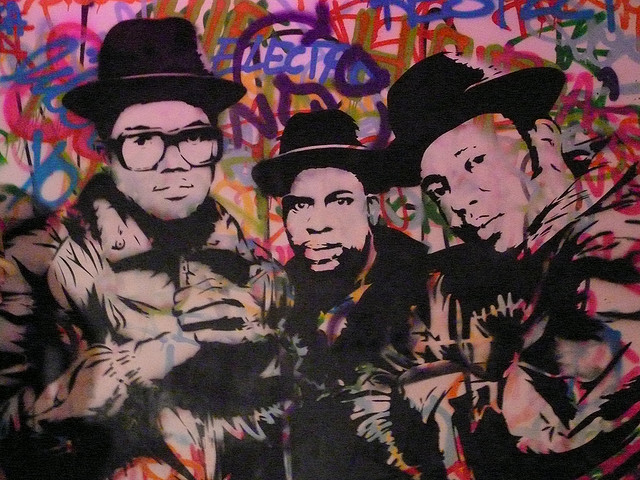
Earlier this year, Mr. Brianwash lost a court case where he was sued by the photographer Glen E. Friedman over the use of one of Friedman’s photographs as the basis for some artwork by Mr. Brainwash. MBW based a number of pieces (including the one shown above) on Friedman’s iconic photo of Run DMC, but did not license the image from Friedman. The prevailing opinion online seemed to be that Friedman was right to sue and that MBW should have paid the license the photo. I defended MBW. Recently, another fair use case has come up where the circumstances are very similar to this case, but for some reason the internet community has come out in favor of the appropriator and against the photographer. That is the case of Andy Baio versus Jay Maisel over the use of a Maisel photograph, modified by Baio, being used as an album cover. It’s an interesting story and you can read the whole thing over here. Supporters in this case have overwhelmingly sided with Baio, to the point where people put up wheatpastes criticizing Maisel on the outside of Maisel’s home. What’s the difference between Friedman versus MBW and Maisel versus Baio?
It seems to come down to one simple thing: likeability. In the MBW/Friedman case, Friedman is the likeable character. His photographs are iconic and he’s put in years of hard work. Mr. Brainwash is just bleh, and Exit Through The Gift Shop doesn’t paint the prettiest picture of him. With Baio/Maisel, Baio modified Maisel’s photograph as one piece of a much larger and likeable project, a musical project where the visual component was not a major consideration, but a nice afterthought, and that musical project was a really cool project. Baio looks like he’s been blindsided by Maisel’s legal threats. So now Baio is the likeable character in the story. But the amount of change that each artist did was probably about the same. In fact, Baio probably made less changes to Maisel’s photograph than MBW did to Friedman’s. MBW was trying to be somewhat transformative, and Baio was trying to imitate Maisel.
The other component here is money. Maisel is a millionaire and forced Baio to pay over $30,000 to settle a case about a project that Baio wasn’t going to make money off of anyway. And while I’m not sure about Friedman’s financial situation, Mr. Brainwash is known to sell millions of dollars of artwork in one night. And nobody wants to side with the rich guy who is just getting richer off of the poorer guy’s hard work. That’s no fun. So even this comes down to likeability. Everyone wants to root for the underdog.
It seems that, at least in the court of public opinion, legal appropriation is little more than a popularity contest. Appropriation is such a grey area that whoever is more likeable is deemed to be in the right. It’s certainly something that I’ve fallen for in the past as well, but in the future I’m going to be a lot more careful, and I hope the rest of the blogosphere will be as well. Street art fans should be particularly aware of these issues, as so much street art and pop art relies on some degree of appropriation.
For the record, I think that both Mr. Brainwash and Baio were in the right.
Vigilante Vigilante is going to have it’s first public screening on August 12th. The film is premiering at the Roxie Theater in San Fransisco. You can get tickets online. Personally, I can’t wait for a screening in Philadelphia. If anyone makes it to the San Fransisco screening, let me know how it is.
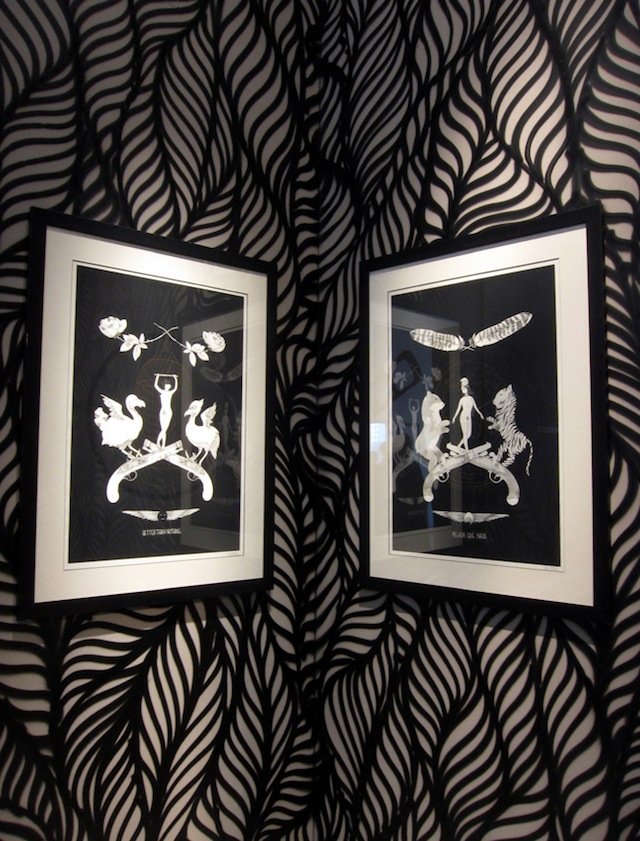
Boxi looks to be the latest artist to join the roster at Lazarides Gallery. Time Of The Signs is his solo show open at Laz’ Rathbone Place location from this Friday. Ever since seeing Logan Hicks’ stencil work at Black Rat Projects a little over three years ago, I’ve been a fan of the hyperrealistic stenciling that artists like Hicks and Boxi use. It seems strange to have Boxi at Lazarides though. I like his work, but it’s much more meditative and calm and just less loud/pop than what Lazarides seems to be about. Now I’m curious if we’ll see anything completely new and out of the box from Boxi, something that fits more with what I’d expect at Lazarides. Sorry to ramble on a bit, but this show seems to me equal parts confusing and exciting. It opens on Friday and runs through September 1st.