RJ Rushmore has been involved in contemporary art as a writer, curator, photographer, arts administrator, and fan since 2008. With a focus on street art, graffiti, and public art, RJ facilitates and promotes catalytic and ambitious art outdoors, in galleries, and online. He founded the street art blog Vandalog and has worked at The L.I.S.A. Project NYC, Mural Arts Philadelphia, and Creative Time. Currently, RJ is Co-Curator of Art in Ad Places.
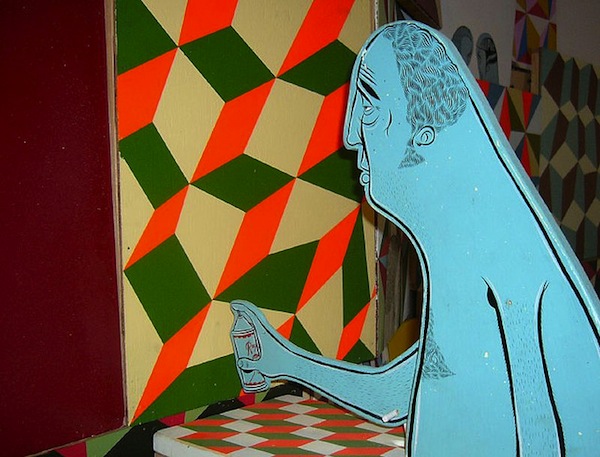
Barry McGee’s first exhibition in London in 6 years opens this Thursday evening at Stuart Shave/Modern Art. Do. Not. Miss. This. Show. The private view is Thursday from 6-8pm, and the show will be open through August 13th. We’ve got no idea what to expect, but it’s McGee, so it’s fair to expect something pretty damn interesting. His Street installation with Steve Powers and Todd James is a definite highlight of Art in the Streets right now at MOCA in LA. See you there. And if you’re not in London, I plan to take plenty of photos so check back later this week for those.
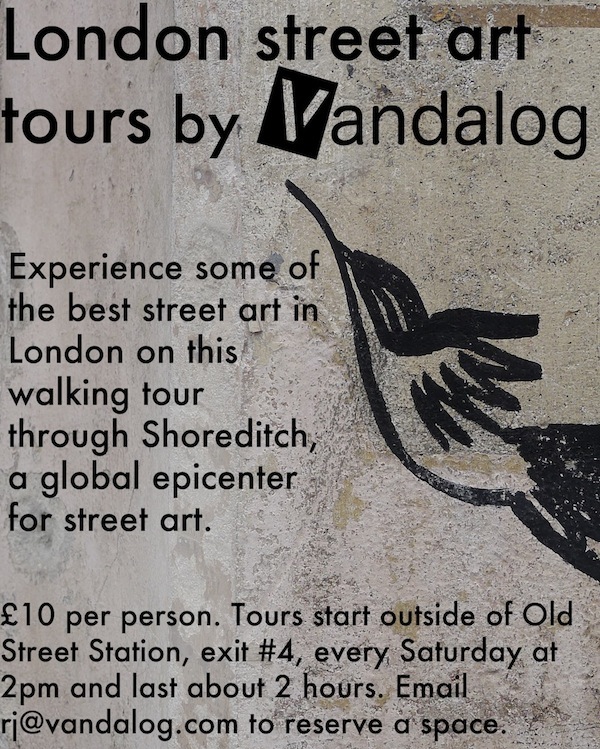
Since I’m back in London for the summer, the Vandalog street art tours are back on. Over two years ago, I began showing art fans all of the best street art in and around Shoreditch. Of course, there was a break this past few months while I’ve been away at university, but now the Steph and I are back at it. Starting this Saturday (July 2nd), we’ll be starting the tours every Saturday at 2pm outside of Old Street Station’s exit #4. I hope you’ll join us. There’s more details here. Just email me (rj at vandalog dot com) to reserve a spot.
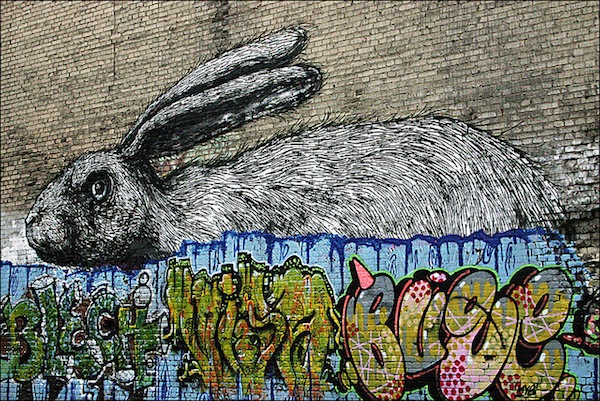
Roa‘s work has made it to the walls around Berlin before, but next month at Skalitzers Contemporary Art he will have his first solo show in the city. Titled Transit, the show will double as the launch of a new book that Roa has made called ROA: An Introduction To Animal Representation, published by Mammal Press. Transit opens on July 9th and runs through August 6th.
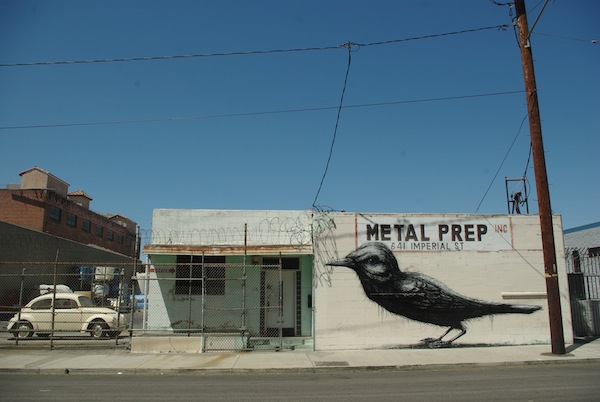
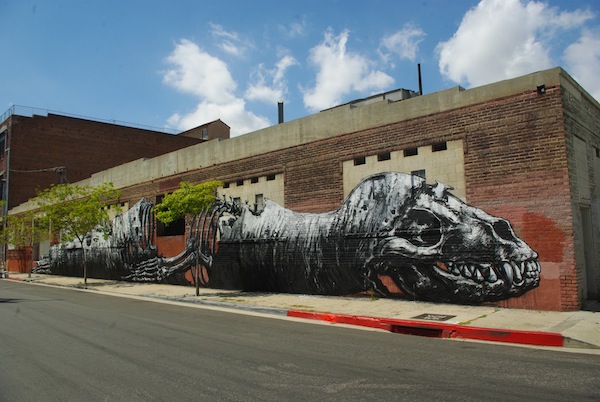
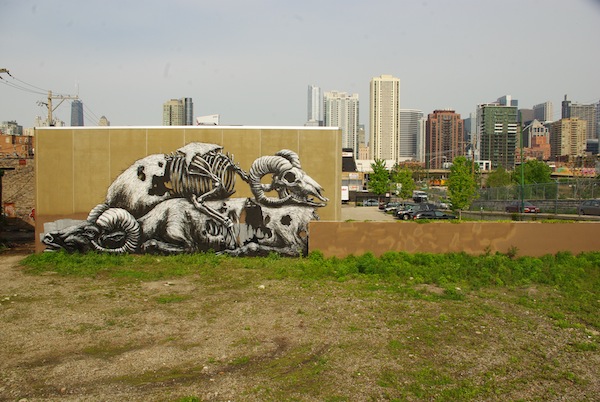
While the above piece in Berlin was painted about two years ago, here are some more recent walls from him…
In LA for the LA Freewalls Project. Photo courtesy of RoaIn LA for the LA Freewalls Project. Photo courtesy of RoaIn Chicago thanks to Pawn Works. Photo courtesy of Roa
A cautionary tale for artists: it is definitely possible to get too conceptual with your street art. This video is from Faceheads, a Russian art collective.
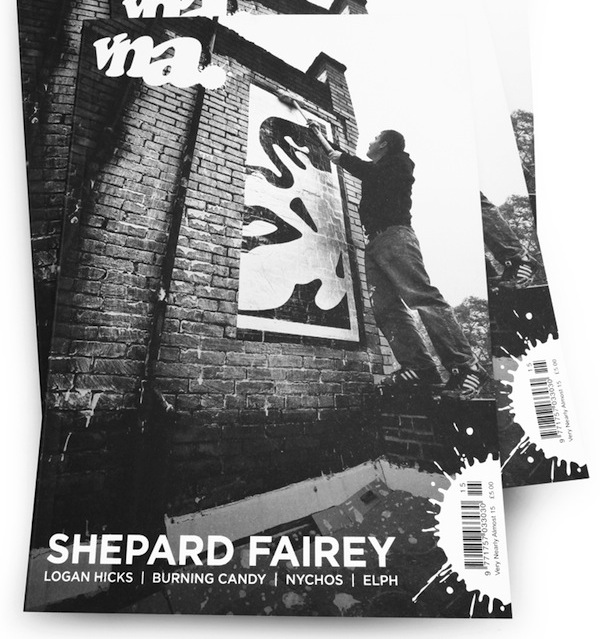
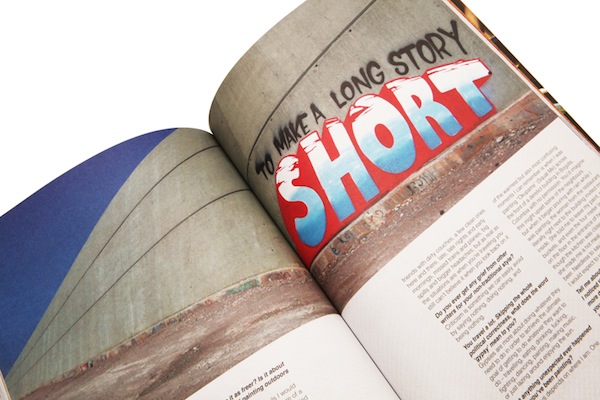
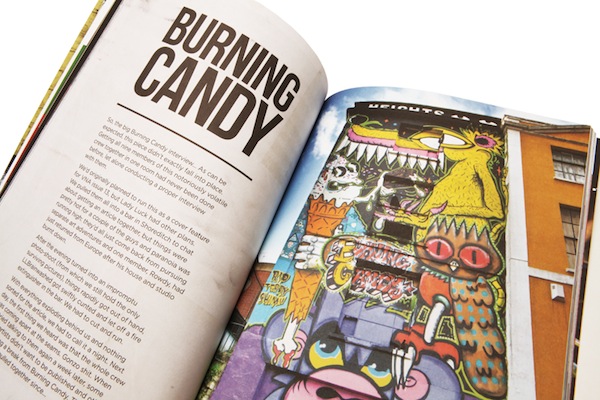
The latest issue of Very Nearly Almost, issue 15, went on sale last month. As a fan and occasional contributor to VNA, it’s a magazine that I always pick up. This issue is particularly cool though because it might have the more interviews with artists that I’ve written a lot about on Vandalog than any other issue of VNA. This is a coincidence, but certainly a happy one for me. Besides the interview that I did with Jordan Seiler, there is of course a detailed cover article where VNA speaks to Shepard Fairey, some very insightful words from Logan Hicks, a crazy series of conversations with members of Burning Candy (the VNA team might have been the only people to ever get the full nine current and former members of BC in one room at the same time) and interviews with Ripo and Nychos (who I haven’t written about too much, but now I want to) as well. As always, the guys at Very Nearly Almost have put together a quality zine and I highly recommend picking up a copy.
A note from RJ: After writing this, I read Rub Kandy‘s interview in the most recent issue of IdN, where he speaks about street art that is created for and best experienced on the web.
What do Kidult, Blu, Maismenos and Katsu have in common? They are all examples, although not the only examples, of artists using the internet in a similar way to how graffiti writers and street artists have traditionally used the streets. These artists are each trying to spread a message at all costs. That’s standard street art/graffiti. But with these artists, a traditionally static artform is turned into a performance, what they do might be fake or impossible to see in person and, most importantly, they see the spread of their work online as at least as important as the physical pieces.
Check out these videos from Kidult (the first one is hilarious), Blu, Maismenos and Katsu…
With all of those videos, the resulting films are more important than the actual physical artworks. And yet, they were all done by street artists and graffiti writers and include (or pretend to include) art that is generally considered street art/graffiti. Who cares if anyone ever sees any of those artworks in person, or if they are even real? Even in the case of the real works that are depicted in those videos, most of those were seen by far fewer people, or at least art/graffiti fans, than these videos. In the case of Katsu’s tag on MOCA, that was buffed in less than 24 hours and it was a while before the existence of the tag and the story of it being buffed was even confirmed. The important thing for these artists is that the videos get seen. These videos and photos are more impressive than the actual work they capture. The intended audience for these street pieces is not the public on the street. These, and many other, pieces of street art and graffiti were created with an online audience in mind rather than a physical one.
So what does this mean for street art if the streets and a medium for viewing street art are being used in this way? Is street art just as legitimate when specifically designed, executed and documented for an online audience? What about graffiti? Does it even matter if a piece is real, so long as people see it? I would say that, at least when it comes to graffiti, it does not really matter if a piece is real or not. So long as it creates fame. Of course, fake videos won’t work at creating fame forever, but they are a temporary technique that can accomplish one of the goals of graffiti. It seems the case is more murky with street art. Certainly the street art in these is still art and probably still street art, just maybe not “street art” as the term is generally understood today. I consider the work in The Underbelly Project to be street art and graffiti, but others do not because it had to be viewed through photographs. Street art that is specifically designed to be viewed through the filter of documentation is still street art, but it’s an evolution too. As I’ve said before, I think hacking is 21st century graffiti, so maybe the internet is the new “street.” It’s quickly becoming a better avenue for artists to show their work to the public than real life.
So what’s going on here? Why no bids? Do people not want to buy expensive art online? Do people not want to sell good art through an online auction? And what about things like that Richard Hambleton piece going for super cheap, compared to what galleries are trying to sell his work for? I guess that’s that bubble burst, yet again (his auction results are usually much lower than his gallery prices). Maybe one big plus about auctions like this is that they cut through all that hype. Unlike an auction at Christie’s or Sotheby’s, artnet auctions don’t have auctioneers and specialists goading buyers to spend big. And at a quick glance, some of the opening bids look high. Anyway, I’m not going to look through every single listing, but I suspect there might be a few deals hidden in this flop of an auction, if you can wade through everything else.
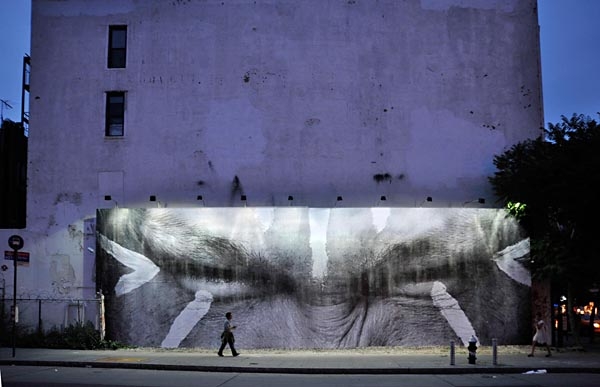
Earlier this week, JR got up at the historic mural spot on Bowery and Houston in New York City, most recently painted by Kenny Scharf. This photo is of DJ Two Bears, a man JR photographed at the Standing Rock Nation Native American reservation. Martha Cooper took this photo and has shots of the entire process on her blog.
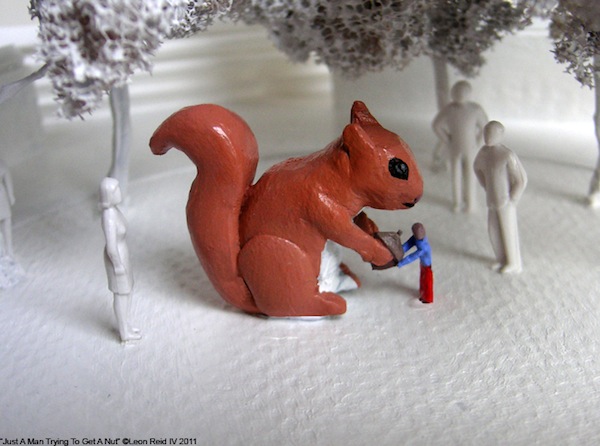
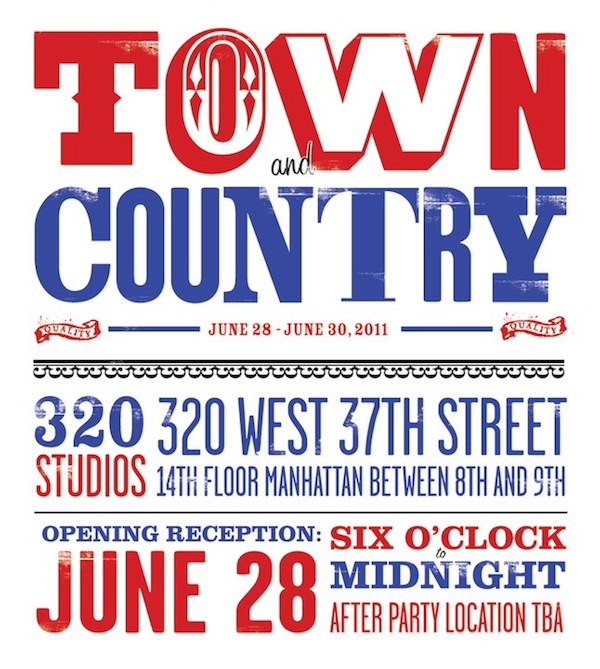
Town & Country is a group show opening next week at 320 Studios in NYC. It’s curated by my friend Keith Schweitzer at M.A.N.Y, Samson Contompasis from The Marketplace Gallery and others. Almost 2 dozen artists are in this show, including Leon Reid IV, Veng, White Cocoa, Olek and Chris Stain. Town & Country will only be open for 3 days (June 28th-30th), but it should be a pretty great three days. The opening is on the 28th from 6pm-midnight.