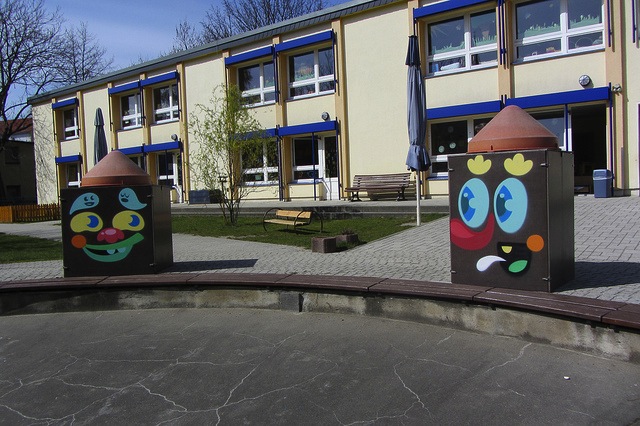
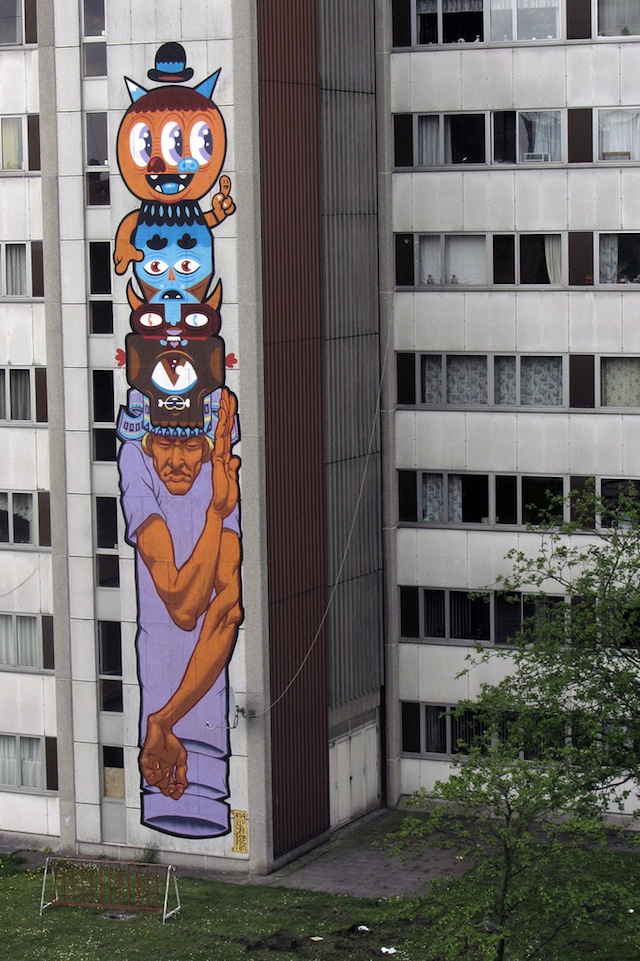
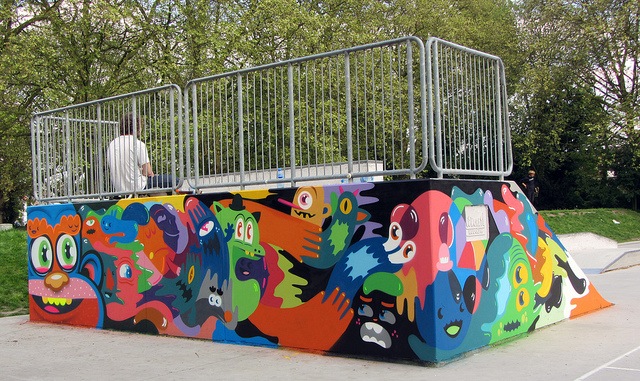
Bue never fails to put a smile on my face. Here’s some of his most recent pieces, including collaborations with Mazuprozak, Squid, Sheryo and Jamz.
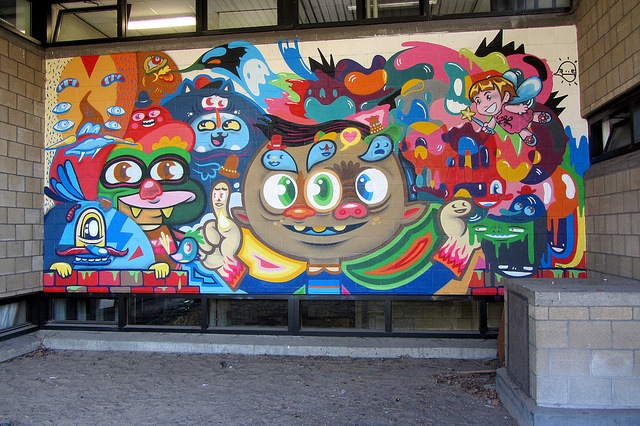
Photos by Bue
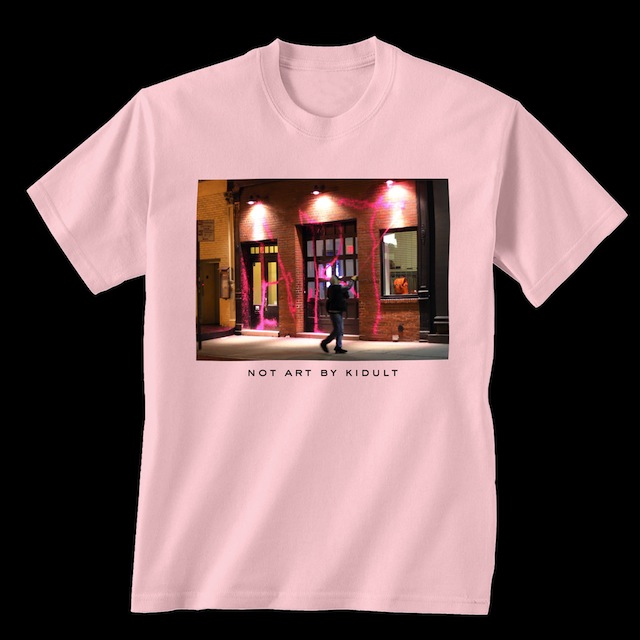
The love/hate affair between Kidult and Marc Jacbos (here and here) continues… First Kidult painted the word “ART” on a Marc Jacobs store in New York. Then Marc Jacobs began tweeting about the piece as if it were created intentionally and selling a t-shirt with a photo of the defaced storefront for $698. Now, Kidult is making his own similar shirts, editions of 50 in white and 50 in pink, which will sell for €6.98.
Marc Jacobs’ shirt is available at the Marc Jacobs shop on Mercer Street in New York.
Kidult’s shirts will be available online at Kidult’s webstore at 3pm Eastern time on Wednesday, May 16th.
I still can’t figure out for sure of this whole series of events is a secret collaboration between Kidult and Marc Jacobs, or just two parties generating publicity and money through an actual fight/game of one-upsmanship. It’s a bit of a street art soap opera. Is Kidult working for Marc Jacobs? ISN’T HE?
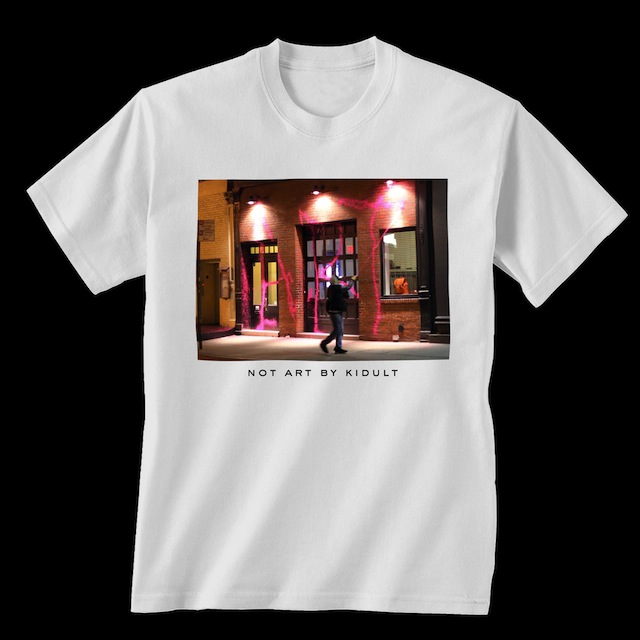
Photos courtesy of Kidult
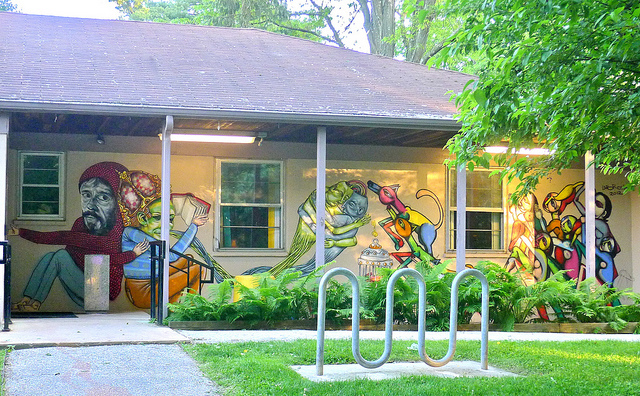
Earlier this month, Labrona and Troy Lovegates aka Other came down from Canada for a few days. Their first stop was Haverford, the small Philadelphia suburb where I go to college. At Haverford College, they painted a mural on the same building that Gaia painted last year. Then, they spent less than 24 hours in Baltimore, but took advantage of every second for painting and getting up. In Baltimore, Martha Cooper invited them to paint in SoWeBo, a part of town where she has been photographing the residents.
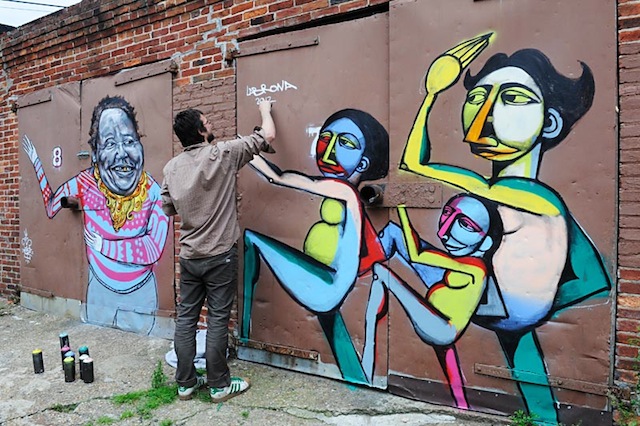
Check out more photos from Haverford and Baltimore after the jump… Continue reading “Other and Labrona from Philadelphia to Baltimore”
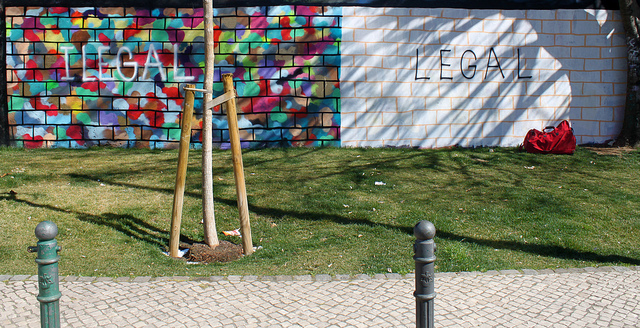
This is my running hypothesis: Sarcasm is how self-aware, suburban youth make sense of urban culture. Faif understands. Do you?
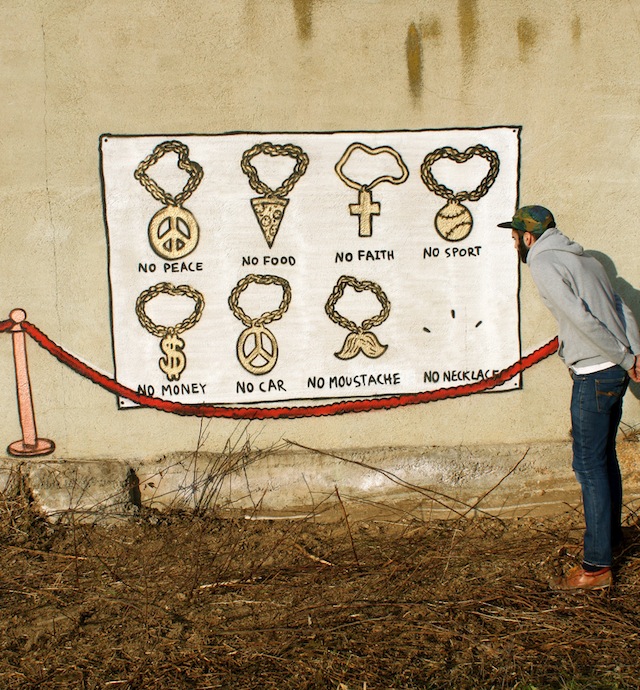
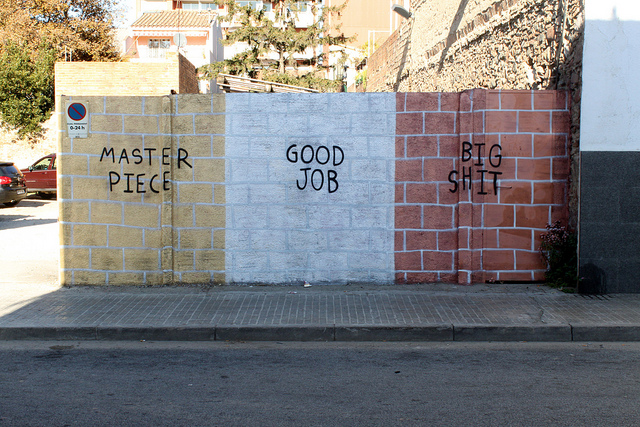
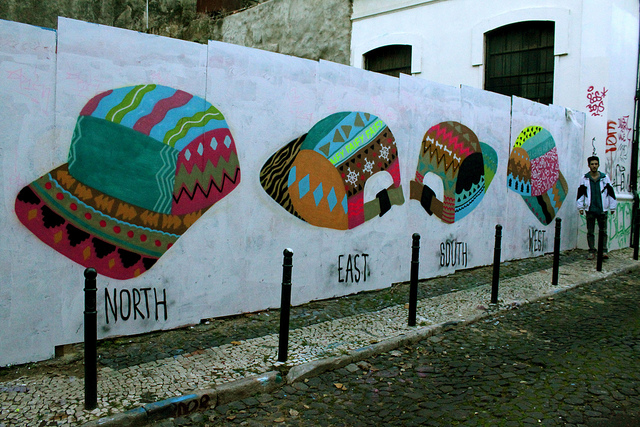
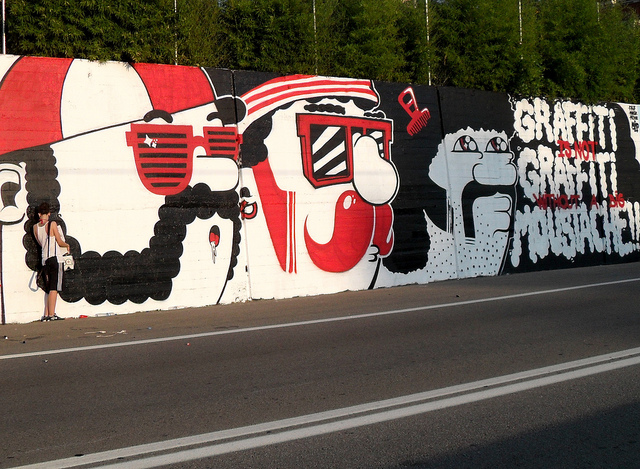
Photos by Faif
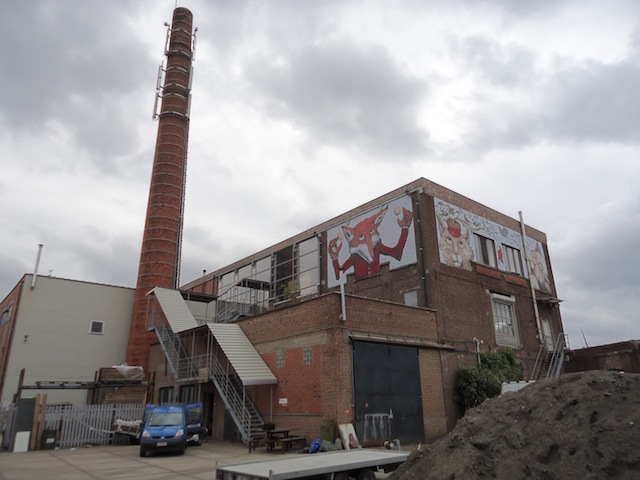
Erica il Cane recently painted three sides of an artists’ studio space, Het vogelnest vzw, in the Belgian city of Ghent. He will also be showing his work inside the space on the 19th-20th of May and there is a “street art night” on the 19th with lectures by Sarah Rombouts, Peter Bosschaert, Harlan Levey and Javier Abarca, and a screening of Exit Through the Gift Shop. For more info on those events, check out the studio’s website. You can see all Erica il Cane’s murals after the jump… Continue reading “Erica il Cane show and murals in Ghent”
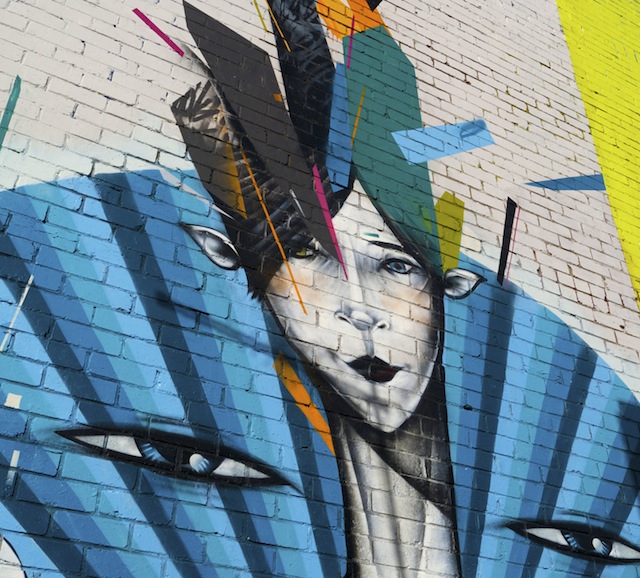
Remi/Rough met up with TwoOne and Hendo and collaborated on this wall in downtown Melbourne.
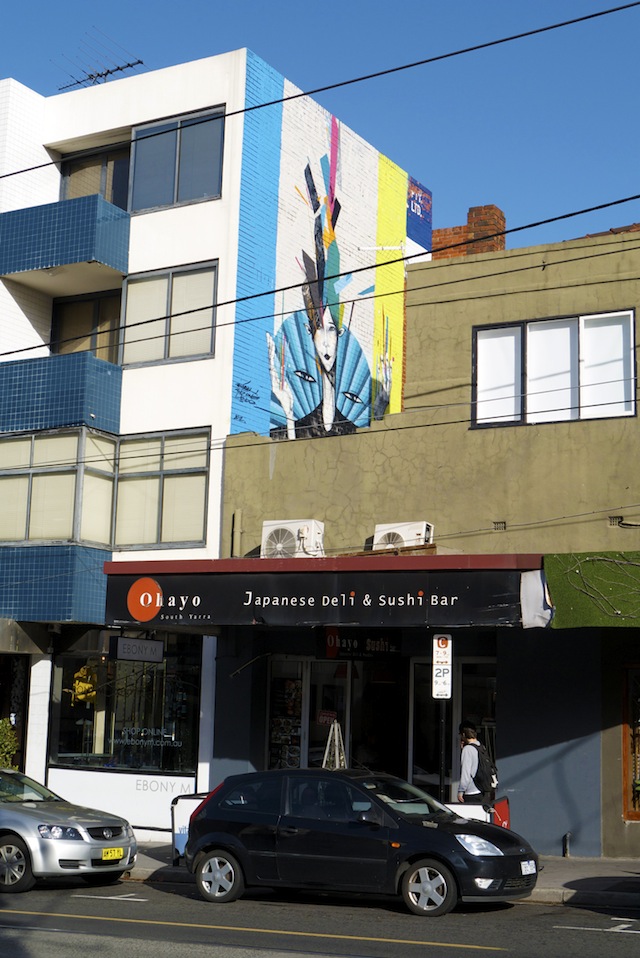
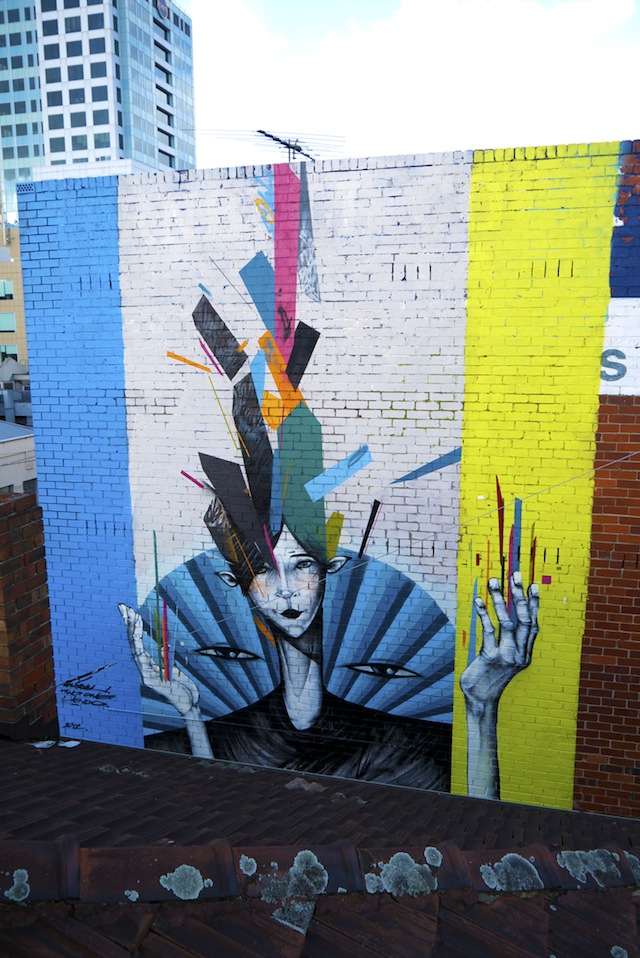
Photos by Remi/Rough
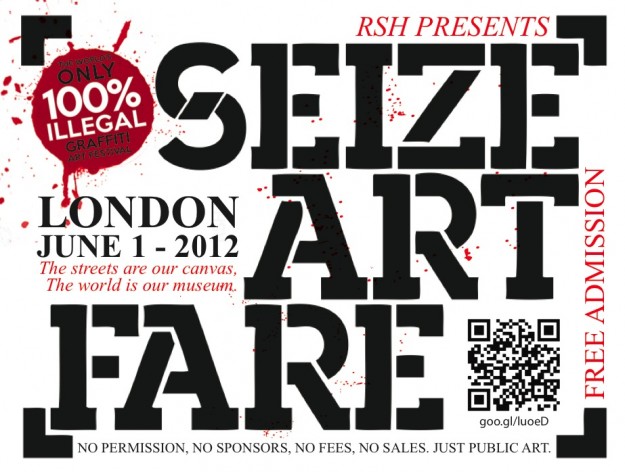
Over the past few weeks, I am sure many of you have heard whisperings about Seize Art Fare happening in London June 1. With no location or artist roster release, there is a lot of speculative reporting about what it actually is: from a baiting by cops to arrest street artists to a wannabe Cans festival with lesser-known artists. Is it a graffiti or street art fair? So of course Vandalog wanted to get to the bottom of Seize and spoke to the man behind the illegal fair, RSH, to get some answers.
What is the concept of Seize Art Fare? Is it a fair or is it a festival? Is the main purpose to showcase talent or buy art work like other fairs? What makes Seize different from other street art fairs out there?
As graffiti and its attendant culture are being appropriated by corporations keen to capitalize on its popularity, particularly with young people, those of us who do it for the love have grown tired of the endless stream of advertising disguised as “street art.”
Through the increasing commoditization and corporate appropriation of graffiti’s aesthetics the true nature of graffiti is being lost. Graffiti is ultimately an act of insurgency, a refusal to be on the receiving end of the confines of environmental control imposed by cities and corporations. Regardless of the level of talent involved in the act of graffiti the action itself is a pure form of artistic expression. A reaching out to the community for acceptance, notoriety, and engagement either positive or negative.
On the other hand the “art fair” has become the prevalent model for the large scale sale of contemporary art. Short one week festivals akin to an upscale starving artists group portrait sale at a roadside motel. They charge galleries incredible amounts to rent a cubicle style space and reduce art, its public consumption and its sale to an overpriced boot-sale. Art fairs are the horrible by-product of the capitalist driven model of art investment, like the slave trading markets of ancient Rome art is bought and sold far from the eye of anyone but the 1%.
So Seize Art Fare is both a reaction to the appropriation of graffiti, the blatant removal of the vandalism heart of graffiti, and to the cancer of the art fair commodities market that the art world has mutated into in the 21st century. No sales, no admission fees, no artist fees, no sponsors. Just people getting together to paint; fuck permission.
What do you think the sudden international rise in street art festivals and is? Do you think it is financially driven?
Street Art is a general term used to mean art that is displayed on walls outside, which has become very popular in the last decade or so. But in the 1930-40s you had much the same kind of push into public art display, though at the time it was called murals, not street art. This kind of sub culture branding and rebranding is useful to the companies that want to cash in on the trend. Much the way Nirvana was suddenly ‘grunge’ in the 1990’s so that other bands could be sold under the same genre label.
The thing that none of these festivals have is the legitimacy of illegality. All of the festivals and fairs have been planned long in advance, public license applied for, council and corporate sponsorships sorted. They have banners printed, run ads in big papers announcing their “graffiti” festival and yet they are just the rebranding of muralism, nothing new. A brand name danger, packaged and sold with no real risk involved for anyone, participant or spectator. Without the action of doing it against the permission of society at large graffiti is gutted of its true power – it looses its soul to the realm of marketing and advertising.
Why did you choose London for its location?
It’s centrally located, some of the greatest artists in the world live close by, and it’s close to a major airport.
How are you deciding which artists and/or galleries can participate? What is the need for secrecy? Is it to build hype?
There is what you would call a curated group of bigger name artists. Those whose involvement is contingent on not being named beforehand due to the nature of the festival. Those are ones I have reached out to because I believe in what they do. But I don’t just want this to be another “look at me and my friends” festival where some clique gets all of the say. I want anyone who can use a can to step up and take the risk and do it, to come out and make it happen collectively. So its open and dozens of artists have gotten in touch and will be coming out. Lots of them are regular names you know in the graffiti and street art world. Others I had never heard of but was excited to have them reach out. This is for everyone. Free admission, no fees, no sales. Just open public art.
The secrecy is more of a safety mechanism for those involved. This is for real. We don’t have permission to do this festival at all. We have chosen a spot that isn’t likely to anger the owners due to its location and current state, but because we have not asked anyone about doing this, nor applied for council permission both the location and lineup will not be public until the day of June 1st.
What do you hope to accomplish with Seize?
With anything like this there is an amount of risk. The risk is part of its truth in this case. What we hope to accomplish most is to bring amazing art to a huge amount of people, create a positive environment for creativity and give back to the public. But to do so without asking. Why should people have to ask to bring beauty into the world? Its grey enough living in any city, what harm is there in sharing a bit of colour?
For more on Seize, check their Facebook and Tumblr pages.
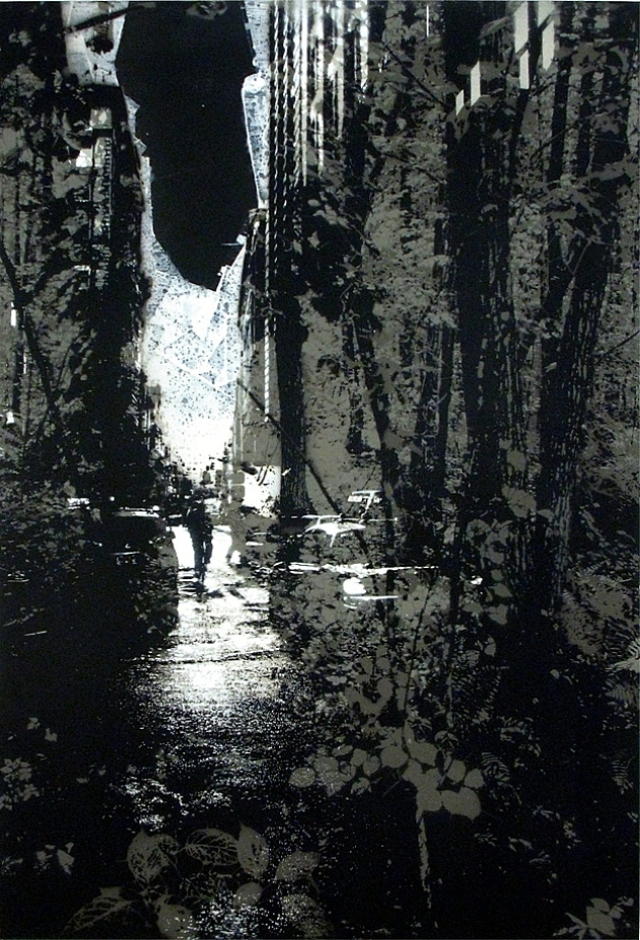
I met Kenji Nakayama a number of years back in Boston when his stencils began surfacing on the streets of Cambridge and in local galleries and motley spaces. I loved Kenji’s technique, style and passion. His formal education as a mechanical engineer back in Japan clearly impacted his work. I’m thrilled now that Kenji’s first solo exhibition — featuring an incredible range of photorealistic, hand-cut stencil, spray enamel, acrylic and mixed-media paintings — is in Woodward Gallery, one of my favorite NYC spaces. The exhibit continues through July 7th at 133 Eldridge Street. It is quite a visual treat. Here are some more images:
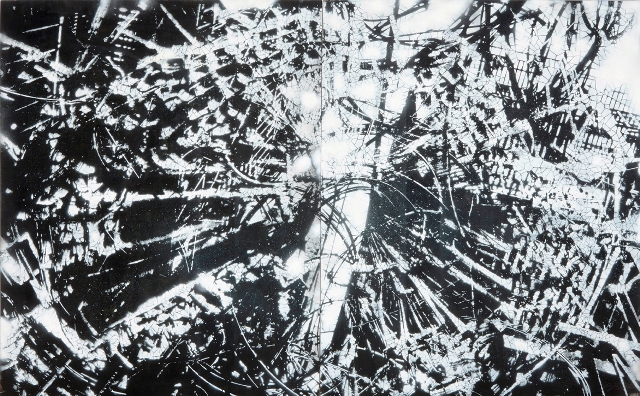

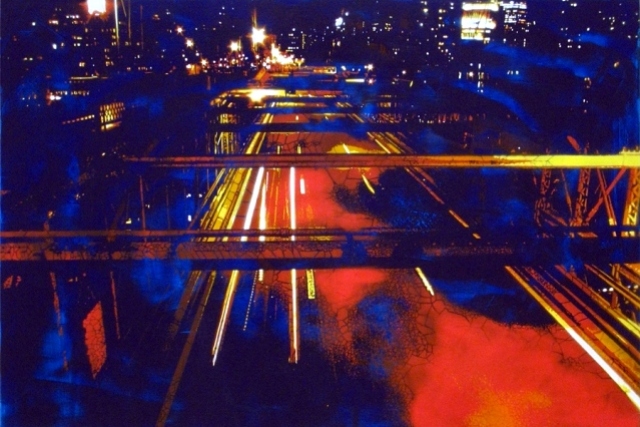
And here’s a view of the installation:

Photos courtesy Woodward Gallery
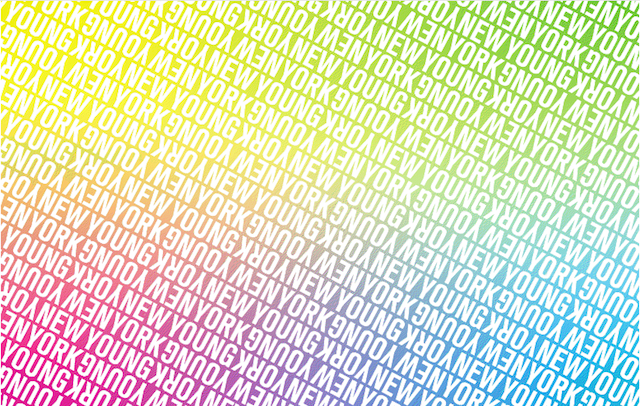
Young New York: A Silent Art Auction & Fundraiser is an fundraising initiative for the Young New Yorkers (YNY) program, which aids and raises awareness for teens who have been legally classified “adults” and thrown into New York State’s adult criminal justice system.
The silent action will be happening Tuesday May 29th from 6pm-10pm at WhiteBoxes projects, and feature works by Steve “ESPO” Powers, LNY, Steven Holl, Gaia, Labrona, NohjColey, the YOK, ASVP, Doodles, Radical!, Feral Child, Cake, Ian Kuali’i and many others. All proceeds will go toward enabling workshops with successful artists, designers, teachers and social workers who will use creative theraputic methods to reach out to these teens in New York State’s criminal justice system.
You can purchase tickets to attend the auction here. For more information check out the YNY website or Facebook.
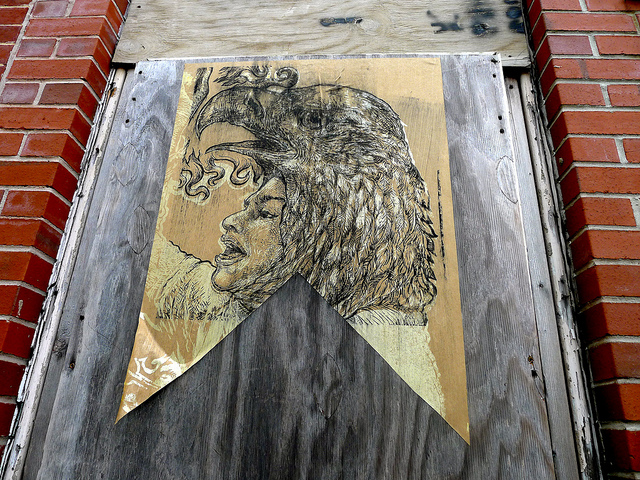
Caroline and I were in Baltimore this week checking out Open Walls Baltimore. If you have the chance, definitely make a trip over there. Full posts about Baltimore coming soon. Point is, between Baltimore and moving this weekend, I’ve been lax this week. Things should return to normal on Wednesday or Thursday, but in the mean time, here’s what I’ve been meaning to post about:
Photo by RJ Rushmore