Book review – Banksy: The Man Behind the Wall

Back in May, a new book came out about Banksy that I anticipated would be a bit cheesy but perhaps good for someone who had only heard about Banksy through the occasional newspaper article. But I read the book anyway because A. I was a bit curious how to fill a 300-page book just about Banksy, and B. I had spoken a bit with the author while he was writing the book and wanted to see if Vandalog got any mentions in the final product. But I was surprised that the book was actually a lot more interesting than I had anticipated. Not to say that I am an expert on the topic, but it’s not common that I learn something new about Banksy, and I learned a lot reading this book. So what book and I writing about? It’s Banksy: The Man Behind the Wall by Will Ellsworth-Jones.

Ellsworth-Jones is not a street art fanatic, but he’s clearly a good researcher and journalist, because he’s pieced together the most in-depth biography of Banksy to-date. If anything, his initial lack of knowledge about street art and graffiti helped him. He doesn’t have allegiances to anything but getting the story straight. Nonetheless, he does not outright reveal Banksy’s identity, so he certainly tells Banksy’s story as respectfully as one can do when attempting to write a biography of an anonymous person. People with little knowledge of street art have been responsible for some pretty bad books on the subject for the last few years, but Ellsworth-Jones took his topic seriously rather than just attempting to churn out something as quick as he could based on reading a few blog posts and newspaper articles.

Because Ellsworth-Jones has written this book for an audience with little or no knowledge of Banksy, there are of course a lot of bits that anyone reading Vandalog would do just fine to skip over and you’ll find some sections a bit cheesy, but he does a good job of introducing readers to the world Banksy and street art by explaining some of the ways in which he was introduced to it.

But what new information does Ellsworth-Jones have to offer those of us who already know the basic Banksy story and are already active participants in the fan culture surrounding street art? Ellsworth-Jones had compiled little-known stories of Banksy’s life and career from his childhood in Bristol all the way through Art in the Streets, as well as stories about some of the people who would have influenced him early on. And of course there are tantalizing facts and figures like information about the finances of Pictures on Walls and Lazarides that, although public information, are things that few of us besides Ellsworth-Jones might think to look into. Ellsworth-Jones also gives his thoughts on the street art fan community that has sprung up over the last decade, a community that few truly objective outsiders have taken as much time to understand. And of course there’s some of the most detailed investigations I’ve seen in a while into the market that has sprung up around Banksy. In between a lot of basic info about street art, there were some real gems of knowledge.

I highly recommend picking up this book if you’re curious about Banksy beyond what he’s ever going to say in an interview. Although it’s written for people who don’t know much about him, anyone who reads this book is probably going to know more about Banksy than someone obsessed with him who skips the book because it wasn’t mean for the obsessed fan. Banksy: The Man Behind the Wall is not the definitive biography of Banksy, but it’s the best thing we have to date or can hope to have for a while.

Photo by bhikku
Rone goes big in San Francisco 

Photo by Luke McManus

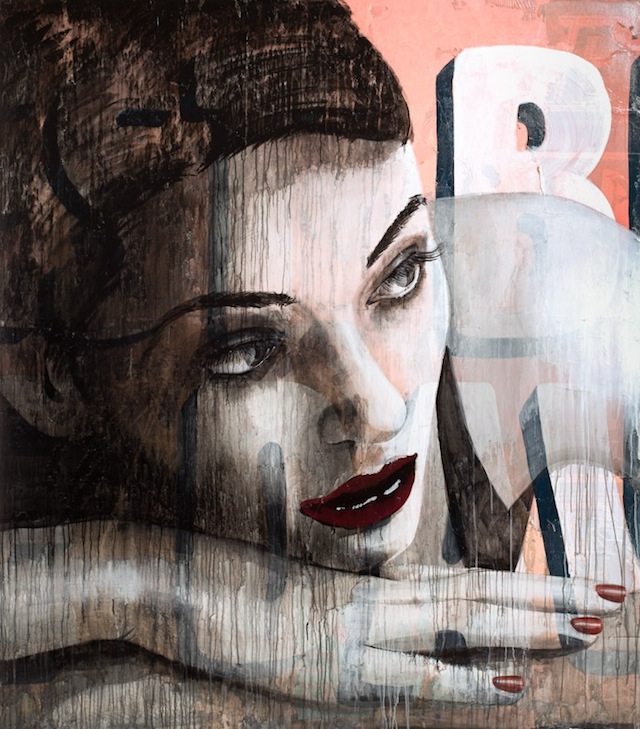
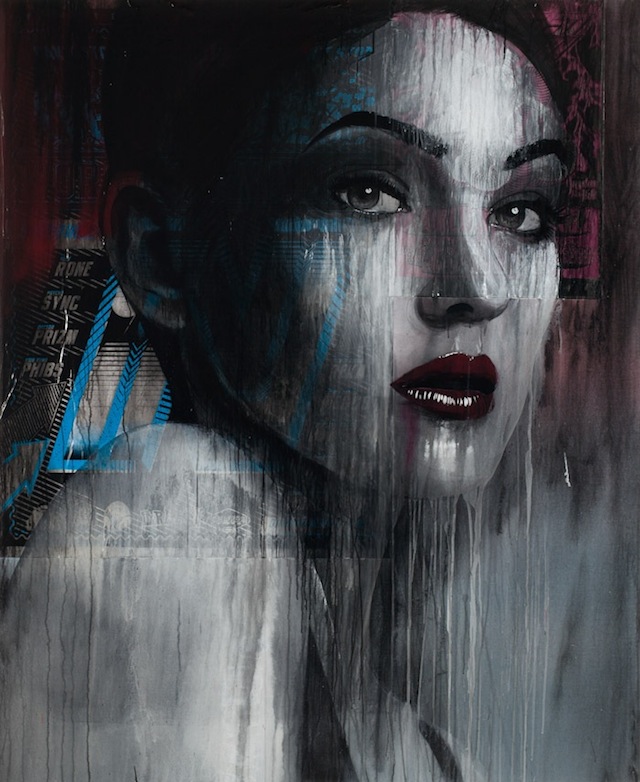
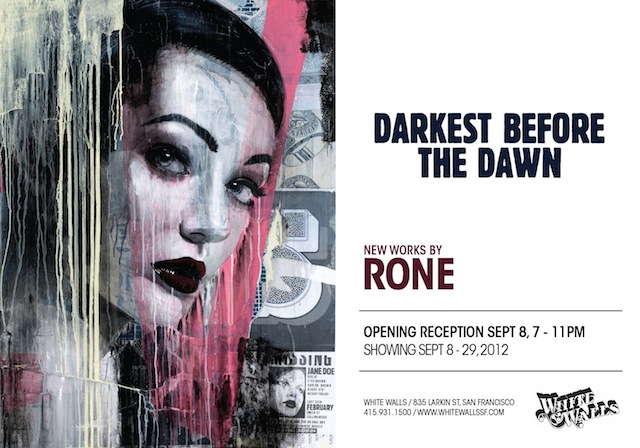
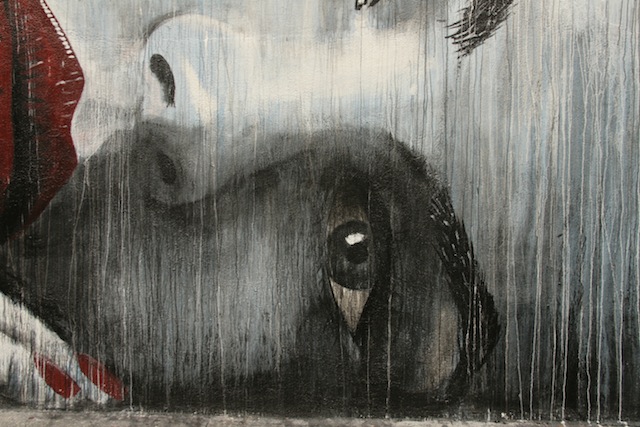
Rone is in San Francisco for his latest show at White Walls Gallery, Darkest Before the Dawn.

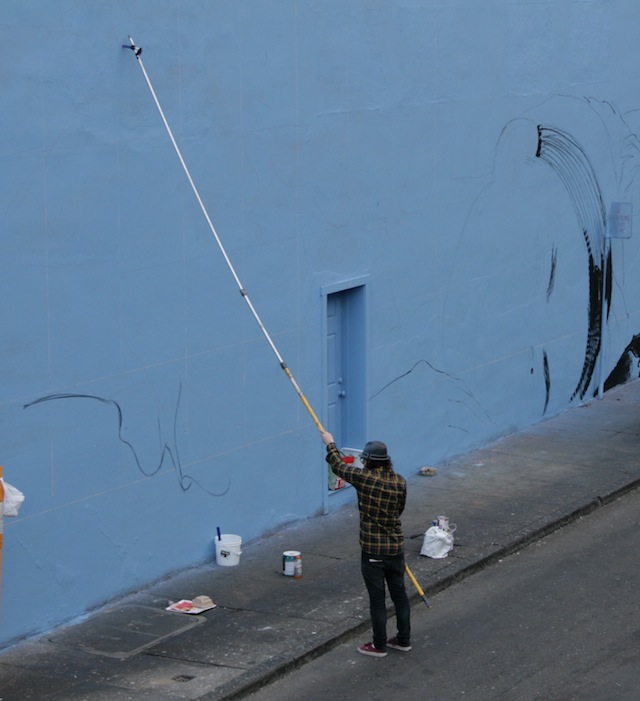
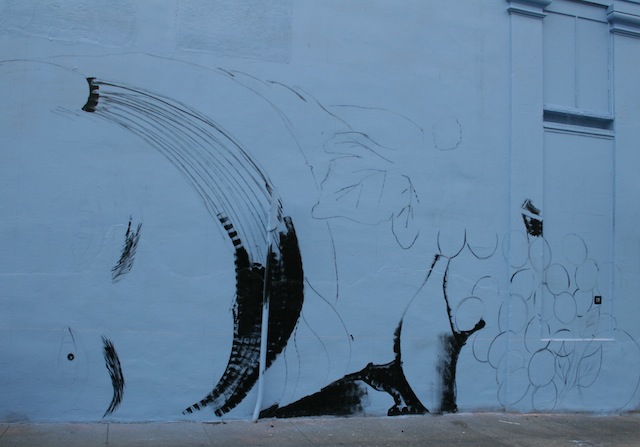
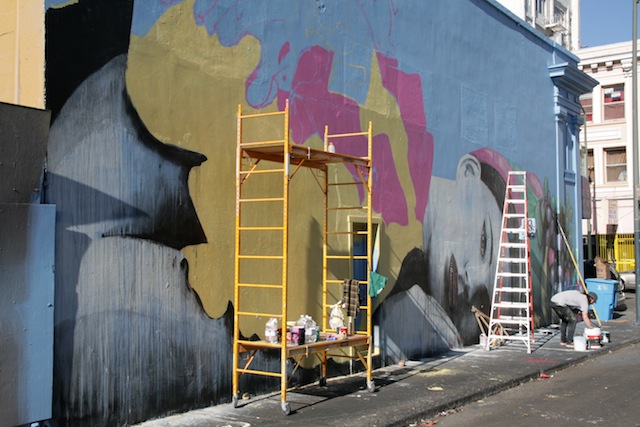
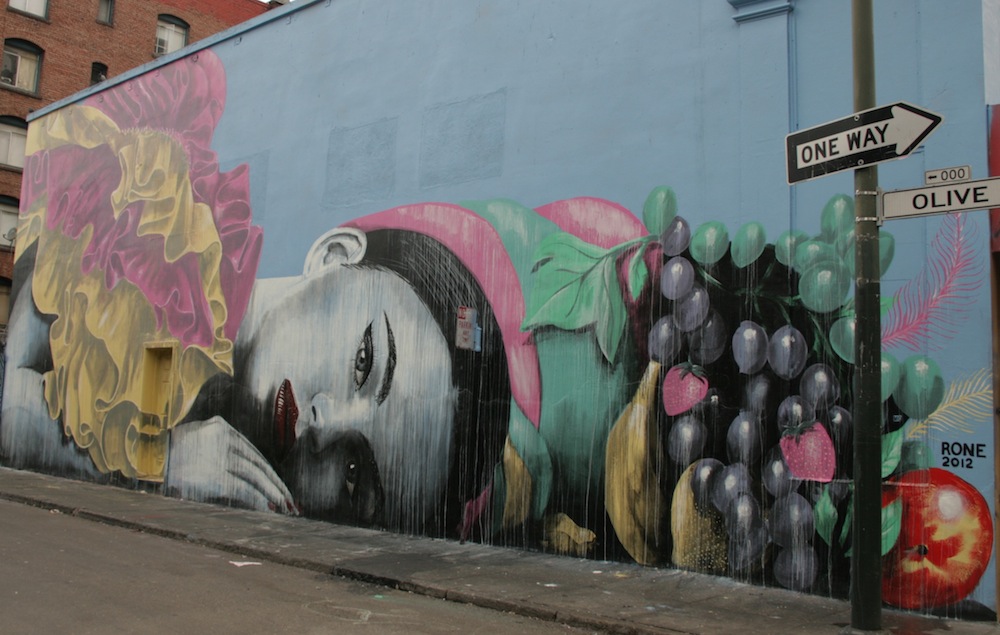
I was lucky enough to be in San Francisco while Rone is and I got to experience the epic piece he painted on a wall in the Tenderloin district. This is one of the biggest walls I’ve see him paint (with the exception of Pow Wow Hawaii) and while this piece was based on the one he painted in Hawaii it has evolved to reflect his new style.

Photo by Luke McManus
Photo by Luke McManus. Click to view large.

Also here are some preview shots of his work from his exhibition which opens tonight.

Photo courtesy of White Walls Gallery


Photos by Luke McManus and courtesy of White Walls Gallery

Shepard Fairey gets off easy for falsifying documents and lying in court

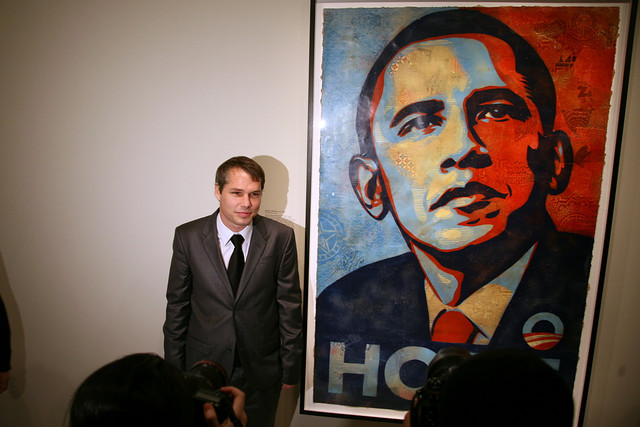
On Friday, Shepard Fairey was sentenced to 300 hours of community service, two years of probation and a $25,000 after pleading guilty earlier this year to one count of criminal contempt. Fairey actually got off pretty lightly. Government lawyers believed that Fairey could have been fined up to $3.2 million and also argued that he should spend time in prison (he could have been incarcerated for a maximum of 6 months).

Here’s how we came to this point: In 2009, Fairey sued the Associated Press to show in court that his portraits of Obama were fair use of an AP photograph and avoid being sued by the AP himself for copyright infringement. Fairey and the AP disagreed over which photograph Fairey had used as his source image for the HOPE poster, but they both agreed that Fairey used an AP photo from the same event. Then Fairey realized that he was wrong and that he had indeed based his work on the photograph that the AP said he had used, so Fairey panicked and tried to cover his tracks by submitting falsified evidence and attempting to delete the actual evidence from his computer. He then went ahead for months in this case claiming something that he knew was false. Eventually, Fairey was confronted with evidence of his deceit and came clean. The lawsuit with the AP was settled, with Fairey paying the AP $1.6 million (although some of that is believed to have been covered by an insurance policy). But the federal government was still unhappy about Fairey’s lies, so he was charged with criminal contempt and plead guilty to that earlier this year.

I don’t generally believe in prison time for nonviolent offenders, but Fair Use is an issue close to my heart and damn that still seems like he got off easy, but not for the reason the federal prosecutors think he did. In a statement on Friday, Fairey said, “The damage to my own reputation is dwarfed by the regret I feel for clouding the issues of the Fair Use case. I let down artists and advocates for artist’s rights by distracting from the core Fair Use discussion with my misdeeds.” He’s exactly right: Fairey blew what could have been the biggest Fair Use case of the century. If this case had gone to trial, as Fairey seems to have originally intended it to, and he certainly has to be given some credit for not just settling from the outset, Fairey would have had one of the best legal teams in the country supporting him and hopefully striking quite a blow against overly-restrictive copyright law enforcement.

For more on the case and Fairey’s sentencing, you can check out these other articles:

Photo by cliff1066™

Weekend link-o-rama

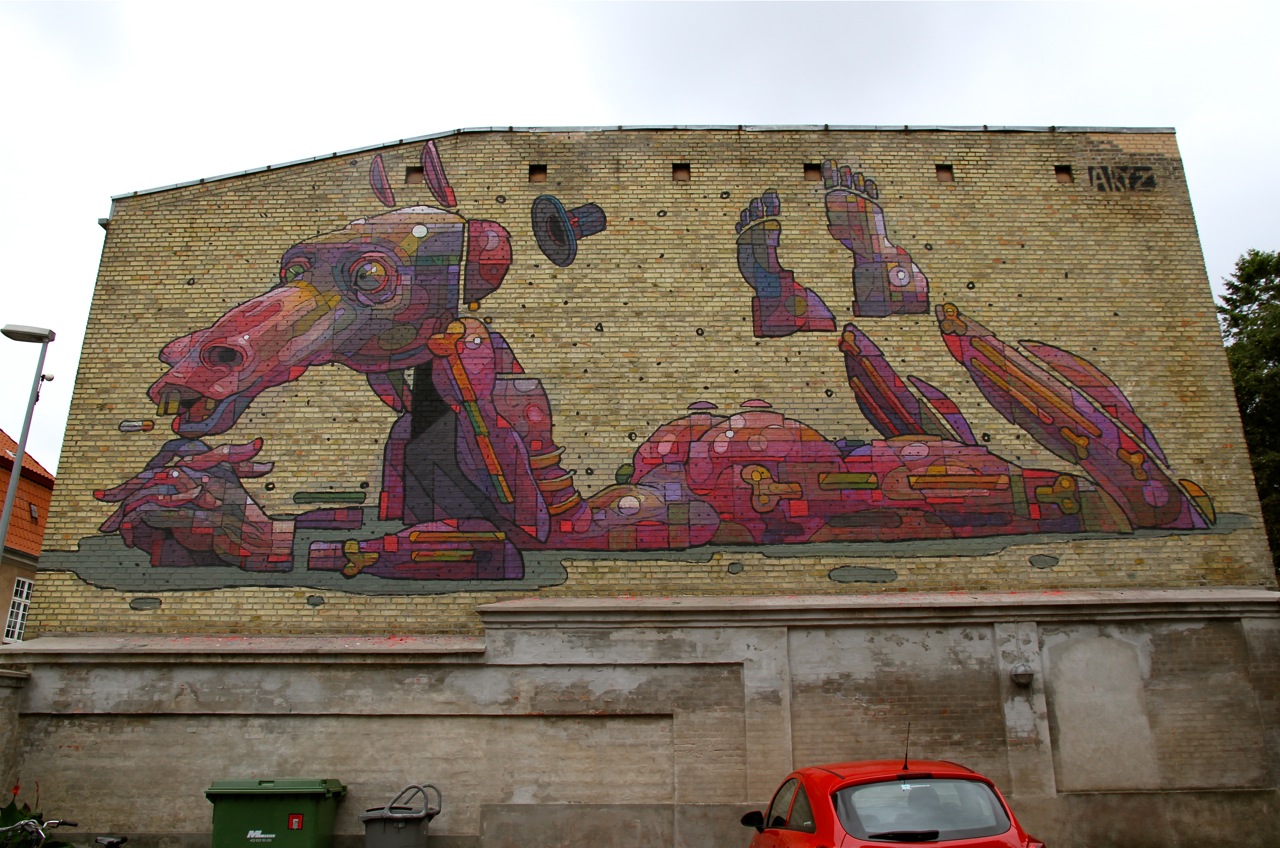
Aryz in Næstved, Denmark. Click to view large.

Just a question: Anyone wish an air-conditioned home want to trade places with me until things cool down? Anyway, here’s some linkage to what’s been going on with art this week:

Photo by Henrik Haven

“In the Midst of Living” at Weldon Arts

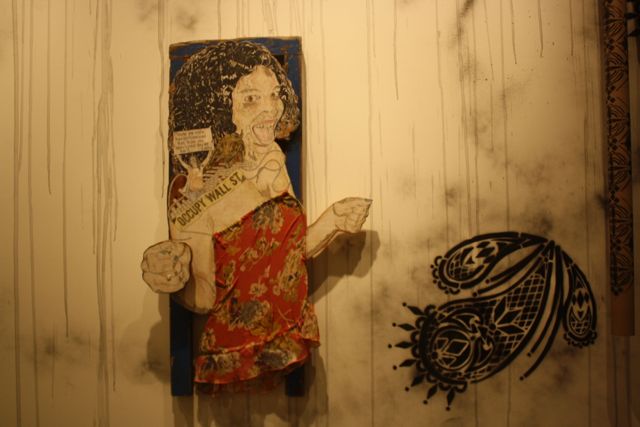
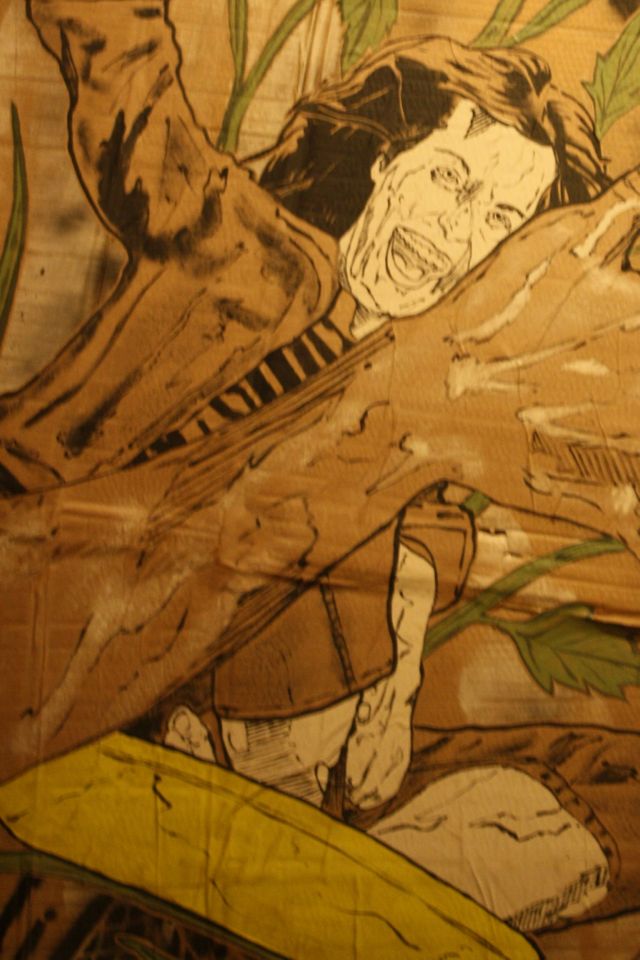
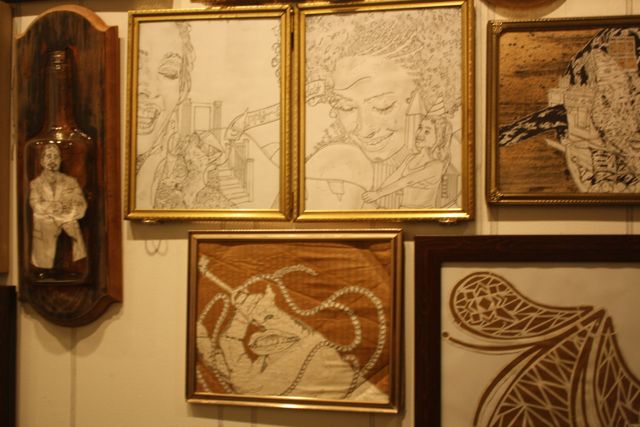
For his first solo show, NohJColey has fabricated an installation that is nothing short of fantastic. Whenever a street artist moves to the gallery there is the fear that the installation will wash out the grimey aesthetics that made viewers love the work in the first place. Without giving too much away, I will say that In the Midst of Living has stylishly recreated this atmosphere.

Piled with cardboard boxes, wood, and drips, Weldon Arts has brought the breathless feeling of discovering a one-of-a-kind wheatpaste into their space. Piece after piece has been framed to a perfection that only further underscores the detail oriented nature of NohJ’s portraiture. This show will knock the wind out of you and make you never want to leave. To be blunt, if you are in the New York City area and miss this show you are a fool.

Opening Friday, September 7th from 6pm-9pm.

Photos by Rhiannon Platt

“Disambiguation” with Carlos Mare, Rae Martini, Remi/Rough & Sixeart at Carmichael Gallery

Rae Martini, Shots in the subway, mixed media and collage on canvas

Carmichael Gallery is once again featuring artwork by some of my favorite artists. Opening Saturday evening is Disambiguation with new works that reinvent traditional graffiti forms by Carlos Mare, Rae Martini, Remi/Rough and Sixeart. The exhibit continues through October 6 at 5797 Washington Blvd in Culver City, CA.

Remi/Rough, The colour of love, acrylic on canvas

Photos courtesy of Carmichael Gallery

Shepard Fairey heads back to London/Stolenspace

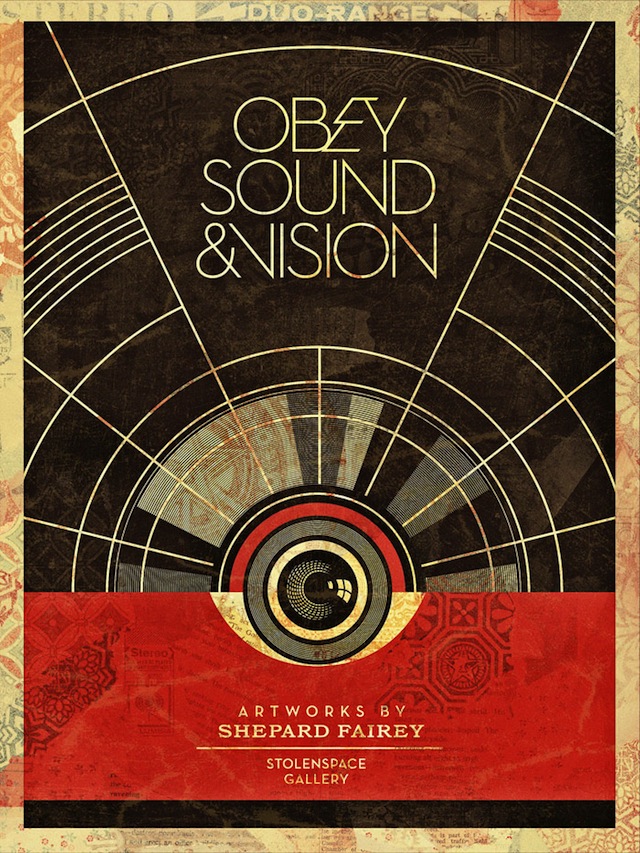
For pretty much as long as Vandalog has existed, I’ve heard rumors that Shepard Fairey would be coming back to show at D*Face’s StolenSpace Gallery in London. He had a solo show there in 2007, Nineteeneightyfouria, which closed early for some reason, prohibiting me from seeing it in the flesh. But supposedly it was pretty fantastic. Rumor has it (seriously, this is a rumor that I heard a few times, pure speculation/hope, not something that I can say with any certainty is grounded in fact, please don’t take it as such) that, at the time, Shepard signed a contract with StolenSpace Gallery promising that he would do two shows there. But the show never seemed to materialize, and everyone just awaited his returned.

Now, five years later, Shepard Fairey will return to London and StolenSpace Gallery for Sound & Vision, a show highlighting many of the musical influences on Fairey’s work. The show will include an installation of a temporary record shop featuring both records from Fairey’s personal collection available for listening and scores of Fairey’s LP-sleeve-sized artworks. Here’s more of what Shepard has to say about the show.

Sound & Vision opens October 19th and runs through November 4th. And yes, it’s pretty much guaranteed to be packed the entire time, but it’s also not a show to miss.

Images courtesy of OBEY Giant

Vandalog interviewed COST – Part two

Photo by Press Pause

This is Part Two of a two-part interview with Adam COST. You can read Part One here.

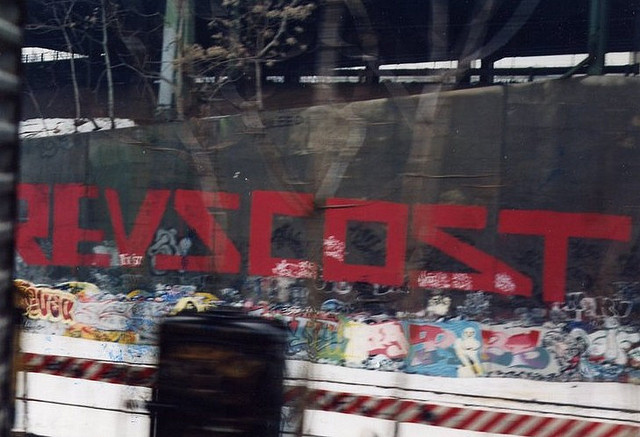
COST could sit next to you on a train, or brush by you on the street and you’d likely think nothing of it. I walked by him three times before I finally asked, “Are you Adam?” He is a regular guy. He just happens to have been one of New York City’s most wanted. In Part Two of our interview, COST discusses a number of things including graffiti as a form of rebellion, his relationship with REVS, and, to put it simply, Madonna.

V: How do you see the face of the graffiti writer changing?
COST: Hipsters, like they’re hip! They call them hipsters around here. My friends and I aren’t hip. We’re just like dudes. The older graffiti writers don’t look like the newer graffiti guys. Like REVS looks very working class; he’s very filthy. He’s a welder so he always looks filthy, like he climbed out of a manhole. Me, I try to keep myself clean. I like to present myself that way for aesthetic reasons, like what I do with my life, where I live and how people perceive me. Some of my friends look like nerds, and some of the newer guys we hang out with are real cool, hip-looking guys and fit right in in this area. The newer guys are all like that.

V: But weren’t you guys part of the fashion of the time in the 80’s? Wasn’t graffiti was a cool scene?
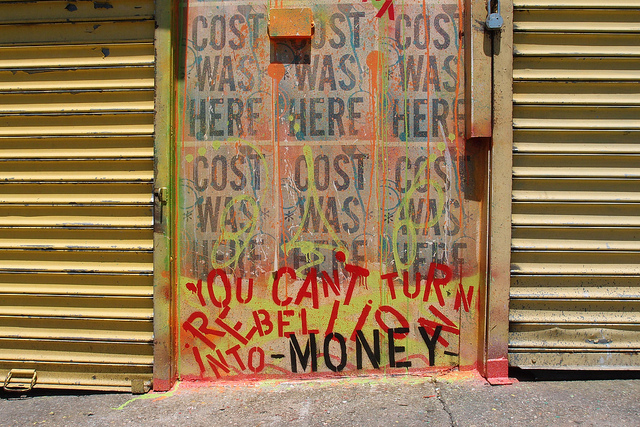
COST: I don’t know if we were so fashionable. Our attitude was more like “Fuck you and fuck the system.” We were angry, rebellious guys. There was a definite punk attitude to what we were doing. It was a “Fuck the whole system. Fuck the government. Fuck socialization.” We just revolted against the whole system. Fuck politics and all the politicians. Rudy Giuliani. Stuff like that. We were anti. The best way to describe what we did was like “We’re anti. We’re not artists, we’re anti-artists”. I consider myself an anti-artist if I’m an artist at all. That would be the best way to describe my art. It’s against the system. That’s why I want to show you the Bushwick Five Points wall I just did. At the bottom of the wall, the title, it’s says “You can’t turn rebellion into money.”
I didn’t go to the yard at 13 and say, “You know what? I’m gonna go write on these trains because I want to make money.” You know what I mean? So that’s what inspired the title of the wall. I went to the yard because I was rebelling, and my family situation was not a good one. Looking back, my family was splitting up, like my parents. The whole family was a mess and I was at that age where you get rebellious and I went into graffiti. Guys nowadays are doing graffiti and street art to make money. I don’t do art to make money.

Cost and Set KRT for Bushwick’s Five Points. Photo by Luna Park.

V: Speaking of the fucking of systems, fucking of establishments, and fucking the man….. Did you fuck Madonna?
COST: [Pause] I’m a little younger than Madonna, but I’ll tell ya, she used to hang out at a club called Danceteria. I knew her boyfriend, RP3, who’s dead now. If you look at her old videos, she used to wear a belt buckle tag around her waist that said “BOY TOY.” Boy Toy was that guy RP3. He used to write Boy Toy and RP3, and that was her boyfriend at that time. He ODed and he’s been dead for a long time, but Boy Toy was her tag that he gave her and that’s why she used to wear that in those early videos. I’m not exactly sure when he died. It’s been awhile since the posters, but I think yeah, he probably did see the posters. That poster was like the pop-poster of our campaign. It’s not like I planned it out that way though.

V: Okay, but you have avoided my question.
COST: Have I really? I tried to be as-

V: It’s a yes or no.
COST: Oh, Madonna? You don’t kiss and tell, right? Let’s just leave it at that.

V: Did Madonna ever say anything about it?
COST: I’m sure she knows it exists because she has a publicist. So everything like that is getting plopped on their table and I don’t think she has a problem with it because she was into graffiti and stuff back then.

V: Why did you do it?
COST: I don’t know if there was an exact reason. At the time it was just one of our obscure posters. We were producing a lot of just random stuff, and that one seemed hit the nail on the head for your ham-and-eggers, your average Joe’s. Everyone loved that one. We did many versions of posters and people always say that poster is probably the most recognized of the batches and batches we put out. That was the most accepted. And again, she’s an icon. Madonna is an international icon. She’s like a Michael Jackson or something. So I was using an icon as a prop, I guess.

V: That poster was extremely popular. Supreme turned it into a shirt in 2010.
COST: Yeah, certain posters like “COST Fucked Madonna” were very accepted by society. There’s a lot of knock-offs. There are stickers and posters out there like “ELVIS FUCKED MARILYN.”  I didn’t see that coming. I didn’t think it was going to bring such an acceptance with the public, but the public really absorbed that poster.

V: After years of turning down other offers, why did you choose to collaborate with Supreme?
COST: They put Johnny Rotten from The Sex Pistols on the cover of the magazine and that kind of appealed to me, as opposed to Lady Gaga on the cover. It was a little more my speed. More raw, less pop. They understood the direction that I wanted to go and what I wanted my work to represent, in a sense. They were good to catering to me as an artist, in the sense that they just let me be who I wanted to be within their repertoire and it worked, I guess. It was okay.

V: Now that you’re starting to go heavy with wheatpasting again, what’s different this time around?
COST: I’m definitely using new fonts and new slogans. At this point it’s like I’m kind of in phase 1 of probably a 15 or 20 phase period, and phase 1 is really just getting my name back out on the streets and letting people know that I’m here, I’m there, I’m everywhere. It’s just phase 1 of a slow steady process of probably a 20 phase period I call “moving forward towards death.” Continue reading “Vandalog interviewed COST – Part two”

NoseGo makes giclée prints that aren’t terrible

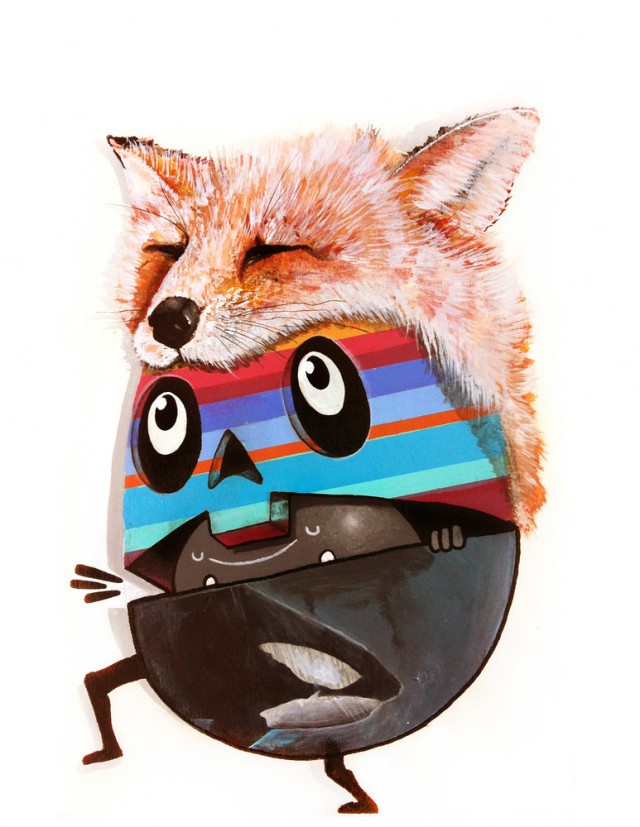
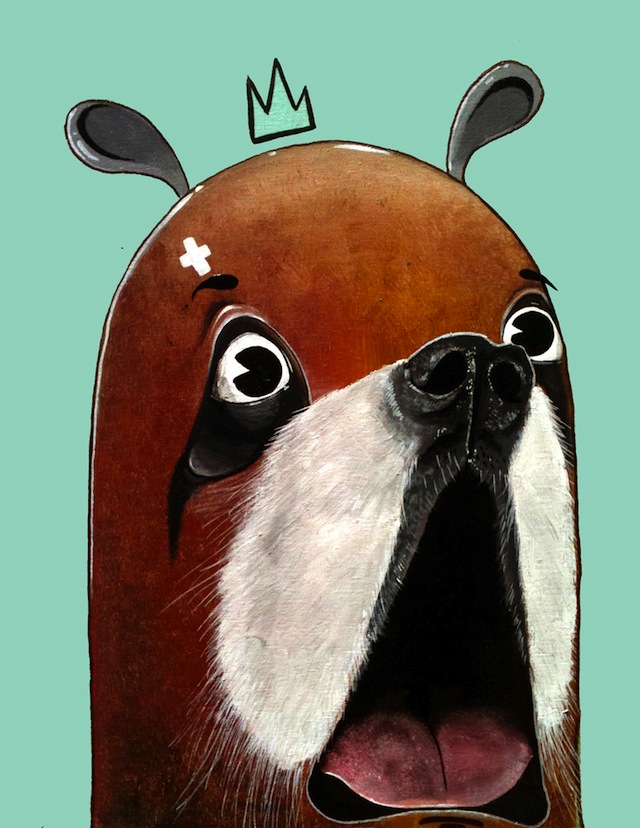
Longtime readers of Vandalog may know that I have a pretty strong dislike of giclée prints. Typically, they are not all that well printed, and they are extremely overpriced. I don’t know anything as high-margin for artists as a giclée print. But NoseGo recently came out with three giclées that prove my point about pricing and buck the trend. These three 8.5″ x 11″ prints, editions of 50 each, are on sale on NoseGo’s website for just $10 each. Not a bad deal, and NoseGo still shouldn’t have much trouble making a buck or two for himself off of these. I can’t speak to the quality of the printing, but the images certainly are cute and I don’t know NoseGo as the type of artist to put out sub-par work just to make a buck off his fans. You can pick up the prints here.

Photos courtesy of NoseGo

ABOVE on social networking

ABOVE recently released this time lapse video regarding the extreme popularity of social media. It’s a bit like having a mirror put between yourself and your computer screen. I don’t know though, I’m pretty sure he’s trying to say that you should tweet this or post this on Facebook so all your “friends” can ‘like’ it.